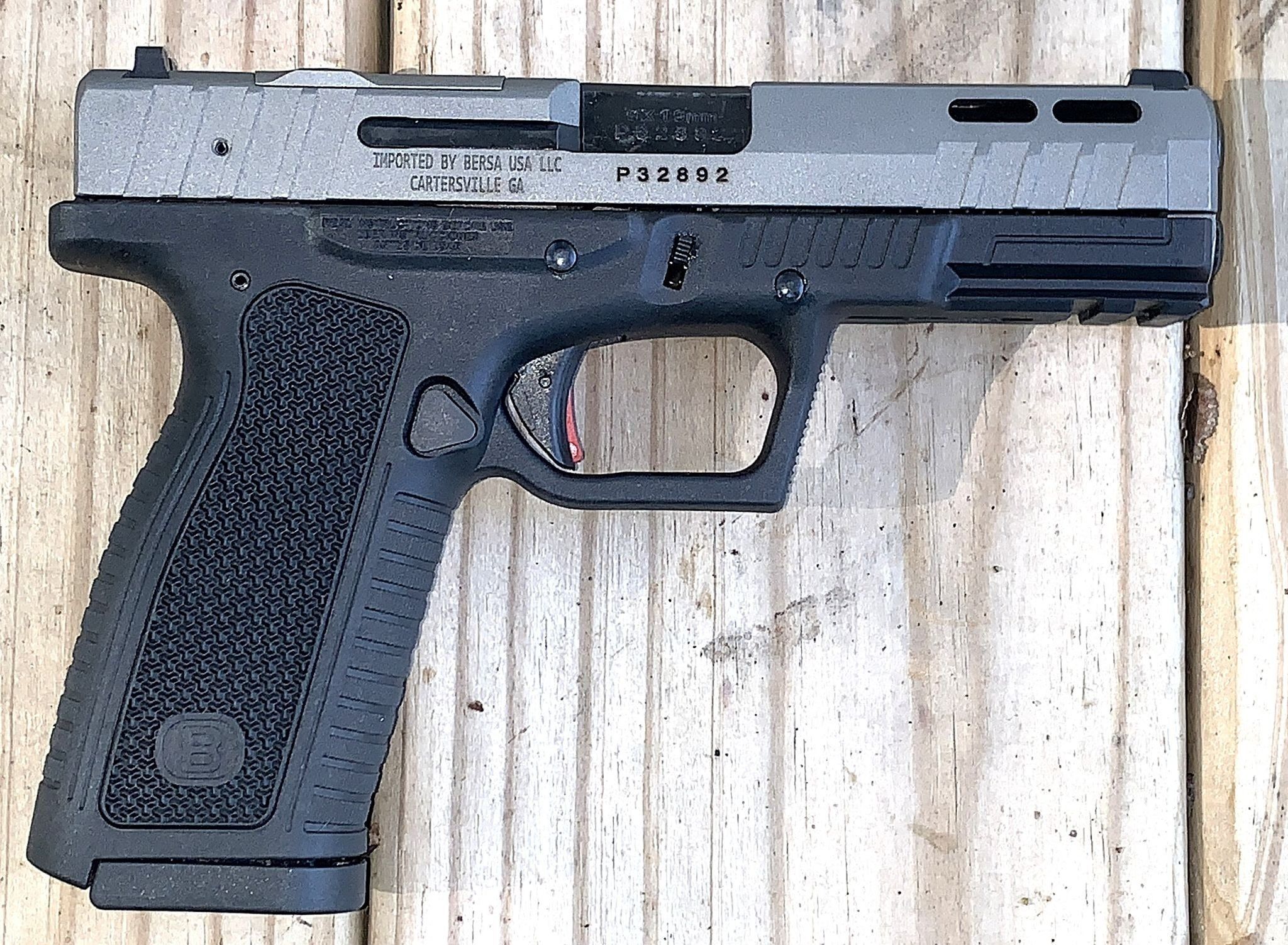
Colorado Gun Sales Fall to 2014 Levels as State Tightens Restrictions
Colorado gun sales in 2025 dropped to their lowest point since 2014, marking a significant retreat in a state that still moves more than a million firearms annually across the country. The decline comes as Colorado has layered new restrictions on top of existing laws: universal background checks (passed 2013), magazine capacity limits of 15 rounds (2013), and extreme risk protection order statutes (2019). While national monthly sales remain robust at 1 million-plus units, Colorado's specific downturn suggests either market saturation among existing owners or buyer reluctance tied to the regulatory environment.
Background and Context
Colorado's gun market tracks closely with national trends, but state-level policy has shifted the calculus for buyers. The state's 2013 universal background check law and magazine limits made Colorado an early adopter of restrictions that other states would later copy. After District of Columbia v. Heller (2008) affirmed an individual right to bear arms, and New York State Rifle & Pistol Association v. Bruen (2022) struck down sensitive-places doctrine, Colorado's restrictions faced legal challenges. The state has also implemented extreme risk protection orders (red flag laws), which allow courts to temporarily remove guns from individuals deemed dangerous. These compounding regulations have reshaped the buying environment compared to states with lighter rules, and a 12-year low suggests Colorado's market has either saturated or buyer confidence has eroded.
What This Means for Gun Owners
For Colorado gun owners, the sales decline reflects limited new inventory options tied to the state's regulatory burden. Background check delays, magazine restrictions, and ammunition regulations (some counties impose taxes) increase the total cost and friction of ownership. Out-of-state buyers have increasingly purchased in Wyoming and other neighboring states with fewer restrictions, then transported firearms home—a legal option under federal law for lawful residents. The 2025 low suggests Colorado residents are either satisfied with existing arsenals or deferring purchases until regulations shift. In-state dealers face compressed margins and reduced foot traffic, which may lead to store closures in smaller markets.
Industry Impact
Retailers across Colorado report slower turnover and tighter cash flow. Manufacturers with strong Colorado distribution networks—including Magpul Industries, headquartered in Erie, Colorado—continue domestic production but rely heavily on out-of-state sales to offset state-level headwinds. The National Rifle Association has not released a specific statement on Colorado 2025 sales, but the organization has consistently challenged the state's restrictions in court. The Second Amendment Foundation and Firearms Policy Coalition have backed plaintiffs challenging magazine limits and extreme risk orders. Dealer associations in Colorado have warned that further restrictions risk accelerating closures of independent shops, consolidating the market toward large national chains with economies of scale.
What to Watch Next
Colorado courts will continue hearing challenges to the state's extreme risk protection orders. A 2024 case, Coto v. State, tested whether the law meets Bruen's historical tradition test; expect appellate decisions through 2026. The Colorado General Assembly may also revisit ammunition tax proposals and serialization requirements in 2026 legislative sessions (January through May). Federal courts in the Tenth Circuit are tracking multiple Second Amendment challenges filed by the Mountain States Legal Foundation and others. Gun owners should monitor Colorado Parks and Wildlife rule changes on carry in state recreation areas, and watch for any attempted magazine ban expansions beyond the current 15-round limit.
DownRange Bottom Line: Colorado's 2025 sales collapse is a warning sign that regulation works—it depresses demand. If you own firearms in Colorado, your inventory may be worth more than future purchases due to scarcity and replacement cost. Buy ammunition and spare parts now while supply remains available; regulatory tightening often accelerates from this point. Serious gun owners should also consider legal standing to challenge extreme risk orders in your county, as these red flag laws represent the highest near-term threat to ownership rights in Colorado.