Most AR Owners Skip This Critical Maintenance Step
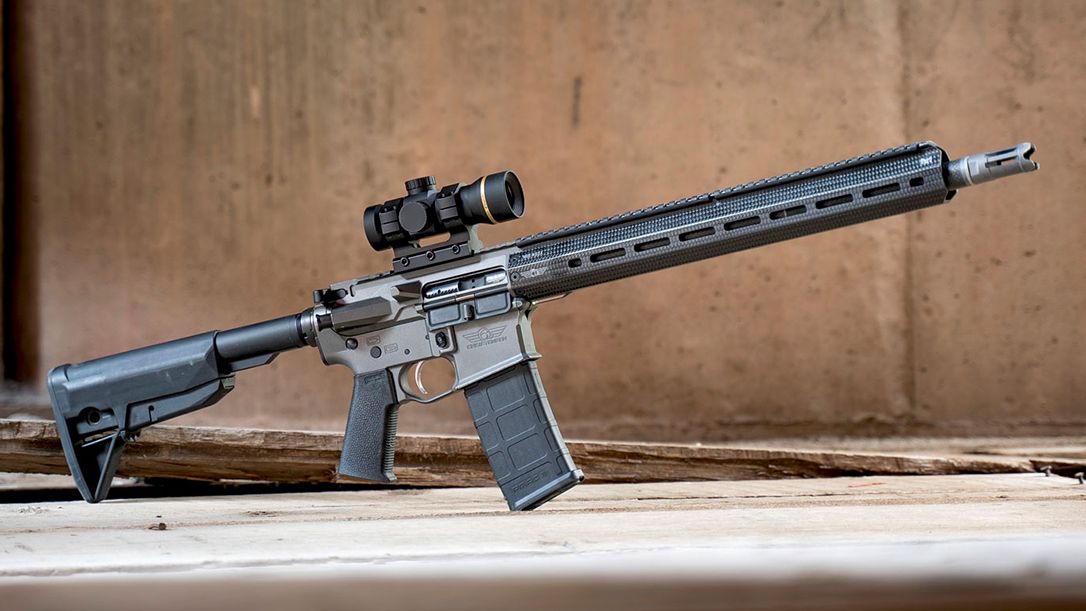
Rifle maintenance separates operators who understand their guns from those who simply pull the trigger. Tactical Life published a detailed AR-15 cleaning guide highlighting an overlooked step most shooters miss after range sessions—the initial breakdown and inspection before detailed cleaning begins. Many gun owners fire their rifles without performing post-range maintenance, allowing carbon buildup and corrosion to accelerate wear on bolt carriers, firing pins, and gas tubes.
Key Details
- Proper AR disassembly requires field-stripping into major components: upper receiver, lower receiver, bolt carrier group, and charging handle
- Carbon and fouling accumulation reduces reliability and increases malfunction risk during critical moments
- Inspection for wear, cracks, or damage must happen before solvents and lubricants are applied
- Gas tube and carrier rails demand specific attention—neglect here causes most AR reliability issues
Why It Matters for Gun Owners
Your AR-15 is a mechanical system. Shoot it without cleaning, and you're operating on borrowed time. Shooters who carry AR pistols for home defense or competitors running factory rifles cannot afford surprise malfunctions. Field stripping takes fifteen minutes. Carbon-fouled carriers and bolt faces cause failures when you need the gun to work. Proper cleaning extends component life by years and costs nothing—just time and bore solvent. Whether you're running 5.56 NATO, .300 Blackout, or 9mm uppers, the maintenance protocol remains identical. Gun owners who skip post-range cleaning will eventually replace their entire bolt carrier group prematurely or face a weapon that doesn't fire when required.
DownRange Analysis
This isn't sexy content, but it's essential. The majority of AR malfunctions stem from neglected maintenance, not design flaws. Gun owners who spend $800 on upper receivers but skip $5 bottles of Hoppes often blame the rifle for failures created by their own neglect. The discipline of breaking down and cleaning your rifle after every use—regardless of round count—separates serious shooters from casual ones. A clean AR runs. A dirty AR doesn't. That's the entire conversation.