AEA Zeus Air Rifle Makes 1,500 FPE — Deer Hunting Without Powder
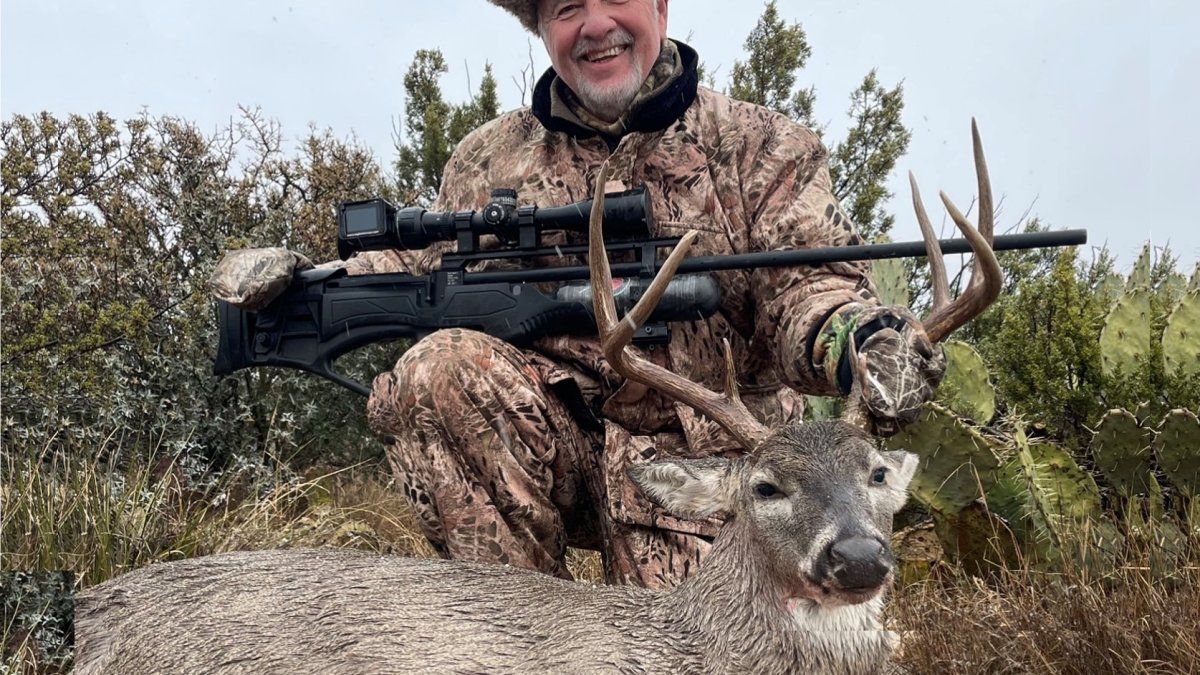
The AEA Zeus, a .72-caliber big bore air rifle, can generate between 1,000 and 1,500 foot-pounds of energy. That figure puts a pneumatic rifle in the same neighborhood as many centerfire deer loads. An Outdoor Life Guns contributor with years of big bore field time makes the case that airguns deserve a serious look from big game hunters. The piece argues that hunters have dismissed these rifles too quickly, and the energy numbers give that argument teeth. Air rifles of this class now compete on paper with conventional deer rifles, and the hunting community has not caught up to that fact.
Key Details
The article traces the modern big bore movement to Dennis Quackenbush, whose early rifles came in .308 and .50 calibers. His .457 later became his flagship. The author bought a .308 in early 2002 and used it on fox and coyote before turning to larger game. The reported energy figures break down as follows:
- A standard .22 airgun produces roughly 30 to 40 fpe.
- The first big bores pushed output past 400 fpe.
- Rifles such as the Hatsan Piledriver, Umarex Hammer, Air Force Texan, and Western Bushbuck deliver over 600 fpe in .457 and over 700 fpe in .50 caliber.
- The AEA Zeus reaches 1,000 to 1,500 fpe depending on barrel length.
- A single .50-caliber slug produces about 250 fpe in one design and more than 800 fpe in another.
The author states that 300 fpe is enough to kill deer-sized game. He also says the commonly repeated 1,000 fpe threshold for deer rifles is wrong, based on his hog kills with rifles producing about 100 fpe. The article notes the Umarex Hammer uses a factory regulator set to 3,000 psi, which keeps shot-to-shot consistency tight. The AirForce Texan adjusts power through hammer spring tension. The Western Bushbuck offers a two-step cocking position for full or reduced power.
Background
Airguns have a long history in Europe, where competitive shooting and hunting with precharged pneumatic rifles grew up decades before most American hunters paid attention. The article's author started with a .177 Daystate Huntsman and a .22 Webley Raider in the late 1990s, both PCP designs. American airgunners built a small community around the same technology and pushed it toward larger calibers. Big bore rifles arrived as manufacturers chased more energy, and Quackenbush's designs were among the first to make deer-class power available in a commercial airgun.
The bigger obstacle was never the gun. Most state deer regulations were written around firearms, muzzleloaders, and archery. Few of them contemplated a pneumatic rifle at deer ranges. Airgun hunting for big game remained largely a question of whether the law allowed it, and the answer varied by jurisdiction. The energy race that followed moved faster than the rulebooks.
Why It Matters for Gun Owners
Anyone who hunts deer, hogs, or other big game should understand what the current generation of big bores can do. A rifle that produces 600 to 1,500 fpe changes the conversation about legal minimum energy and effective range. Hunters who own a pneumatic rifle need to know whether their state counts it as a legal deer arm, and whether it needs a special permit or falls outside the season. Many state regulations still define legal hunting arms by caliber, action type, or projectile, and an airgun rarely fits those definitions cleanly. Read the current hunting digest for your state before you take an air rifle into the field.
Hunters with airguns also face a practical question about fill systems. PCP rifles depend on high-pressure air, so a hunter needs a reliable pump or tank and a plan for keeping the reservoir charged between hunts. Regulators like the one on the Umarex Hammer keep velocity consistent, but they depend on the rifle staying properly filled. Anyone buying a big bore should budget for a fill setup, spare seals, and time at the range to learn the rifle's power curve at each setting.
DownRange Analysis
The energy numbers are real, and they make a strong case on the field. A 1,000-plus fpe airgun will drop a deer, but the rule that matters is not the energy figure on the spec sheet. The rule is shot placement, range discipline, and the nerve to pass on a bad angle. The author's point about bowhunting-style discipline holds up. Airguns punish sloppy shots more than centerfires do, and that alone separates the people who should hunt with them from the people who should not.
The legal question is harder. A state that does not recognize a pneumatic rifle as a legal deer arm has no obligation to change its rules because the gun is powerful. Gun owners should contact their state wildlife agency before the season opens, get the answer in writing, and keep a copy in the truck. Do not assume that a powerful airgun falls under a firearms or archery exception. Verify it first, then decide whether the Zeus or a Quackenbush .457 fits the way you hunt.