Barrel Length Beats Suppressor Brand for Real Sound Reduction
Suppressors reduce sound by managing muzzle gas, not magic. A suppressor's core job is trapping, slowing, and cooling the hot gas exiting the barrel. Longer barrels give powder more time to burn completely and gases more time to expand before they leave the muzzle—meaning less unburned powder and fewer extreme pressure spikes hitting the suppressor. This combination cuts sound signature and recoil far more effectively than suppressor design alone.
Key Details
Suppressors are gas management devices, not sound eliminators. The physics is simple: more complete powder combustion and gas expansion in the barrel equals less violent expansion inside the suppressor. A 16-inch barrel on a .308 Winchester will suppress noticeably better than a 10-inch barrel with identical hardware, because the longer tube lets pressure normalize before gas hits the suppressor.
Barrel length varies by cartridge. Slower powders in magnum rounds need longer barrels to burn completely. Fast-burning powders in shorter cartridges reach full pressure earlier. Matching barrel length to the specific hunting round—.308, 6.5 Creedmoor, .300 Win Mag, .223 Remington—determines how much the suppressor actually reduces sound in field conditions.
Recoil reduction scales with barrel length too. Longer barrels that burn powder more completely produce lower peak pressure, which means less violent recoil impulse transferred to shooter and rifle.
Why It Matters for Gun Owners
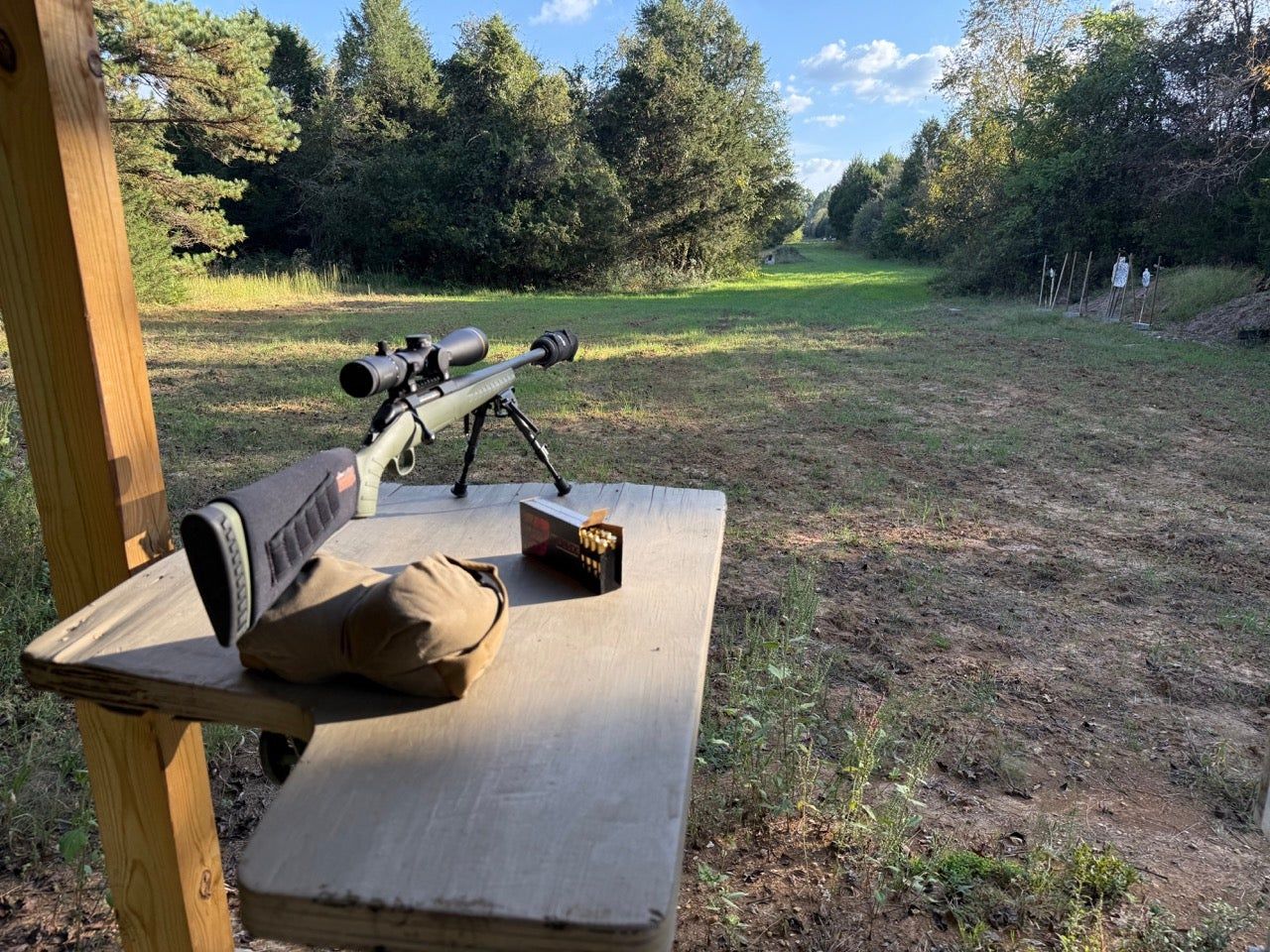
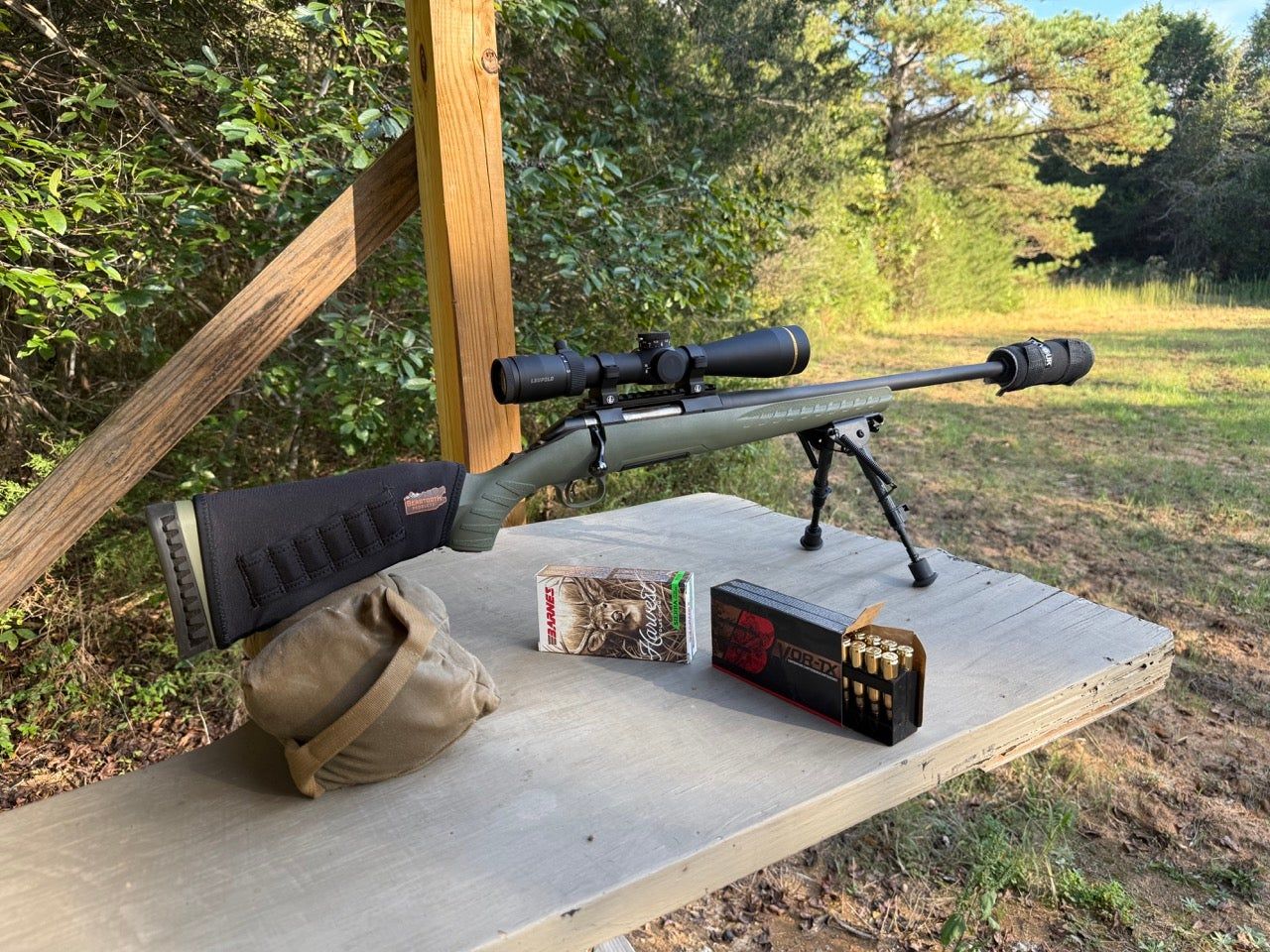
If you hunt with a suppressed rifle, barrel length is a primary tuning variable—not an afterthought. A short-barreled .308 with a top-tier suppressor will still sound louder in the field than a 18-inch barrel with a mid-range can, because the gas dynamics are fundamentally different. Gun owners building or buying a hunting rifle should prioritize barrel length for their specific cartridge, then select a suppressor that complements that platform. This applies to hunters in states where suppressors are legal, as well as tactical shooters and competition marksmen who value consistency and noise control. The suppressor you choose matters, but the barrel feeding it matters more.
DownRange Analysis
This reframes how gun owners should approach suppressor selection. Marketing focuses on suppressor models and materials, but ballistics don't lie: barrel length controls gas behavior upstream. A hunter or shooter building a new rifle should start with the right barrel length for their cartridge, then invest in a quality suppressor that fits that platform. Budget-conscious shooters might actually save money by getting the barrel right first, because a mediocre suppressor on an optimized barrel often outperforms premium hardware on a short tube. For those on tight budgets, a proper 16- to 20-inch barrel will do more work than a brand-name can ever could.