Magnum Suppressors Need Real Engineering—Here's What Matters
Magnum hunting rifles generate pressures and temperatures that expose weaknesses in suppressor design. A can rated for .308 Winchester will fail or underperform on a .338 Lapua Magnum or .375 H&H. Choosing the right suppressor for a magnum platform requires understanding material limits, weight distribution, and caliber-specific engineering rather than assuming one suppressor fits all rifle types.
Key Details
- Material matters: Magnum suppressors demand titanium or high-grade stainless steel. Aluminum baffles overheat and degrade under sustained magnum pressures. Titanium handles heat better but costs more and adds weight considerations.
- Caliber-specific ratings are non-negotiable. A suppressor engineered for magnums will list maximum pressure ratings—often 60,000+ PSI for standard magnum cartridges. Cross-threading a .300 Win Mag round through a non-rated can risks baffle strikes, erosion, and dangerous gas blowback.
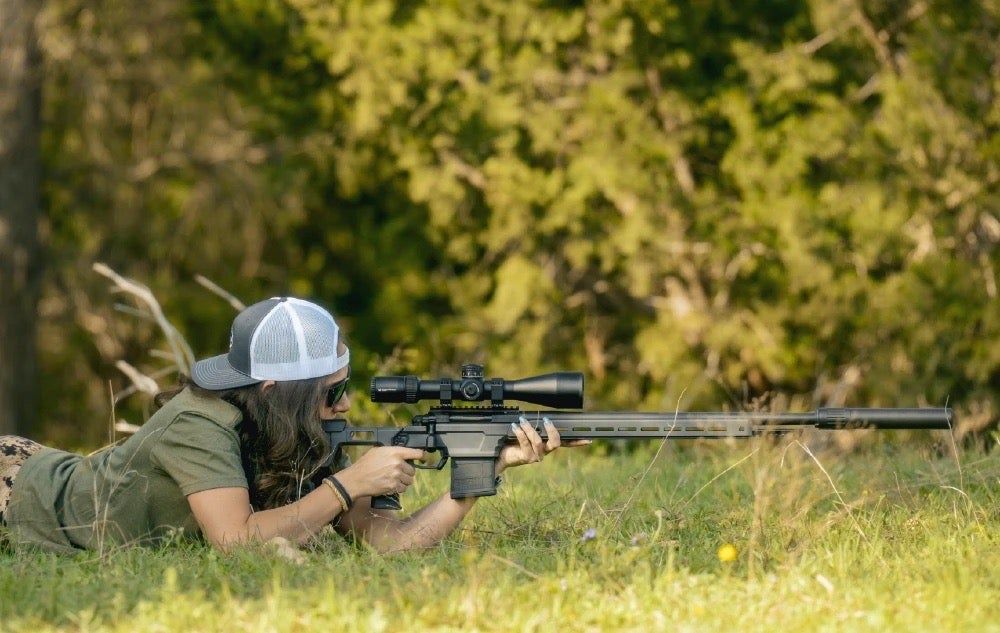
- Balance and weight affect field performance. Magnum rifles already recoil hard. A heavy suppressor mounted forward shifts weight and exaggerates muzzle rise. Length, diameter, and weight distribution directly influence hunting accuracy and rifle handling in the field.
- Durability under sustained use. Hunting magnums generate higher round counts in competition or range validation. Suppressors must tolerate repeated thermal cycling without baffle separation or core degradation.
Why It Matters for Gun Owners
Suppressor choice directly impacts rifle performance on game and in competition. A magnum rifle running a standard suppressor risks reduced velocity, inconsistent sound reduction, and potential durability failure mid-hunt. Hunters working with .300 Win Mag, .338 Lapua, or .375 H&H need cans engineered specifically for magnum pressures and temperatures. This is not a cost-cutting category—undersizing suppressor specs costs accuracy, hearing protection, and rifle longevity. Competitors and long-range hunters should verify caliber ratings on any suppressor before mounting. Magnum shooters also need to account for added weight when selecting optics and rifle configuration. Federal suppressor regulations remain consistent across states, but hunters should confirm state-specific hunting regulations on suppressor use before season.
DownRange Analysis
This is one of the few product categories where spec sheets matter more than brand reputation. A magnum suppressor is not a premium upgrade—it's a hard requirement. Titanium construction costs real money, but aluminum shortcuts on a .338 Lapua platform will fail. Gun owners building or upgrading magnum hunting rifles should prioritize cans with published pressure ratings, documented baffle materials, and independent testing data. Skip generic "universal" suppressors and match suppressor engineering to rifle platform. Magnum shooters also benefit from measuring point-of-impact shift before and after suppressor installation. A proper magnum-rated can should show minimal zero shift and consistent performance across temperature ranges. This category rewards research and specification matching over impulse purchases.