Turner's Outdoorsman Fights Back Against Brady Campaign Defamation
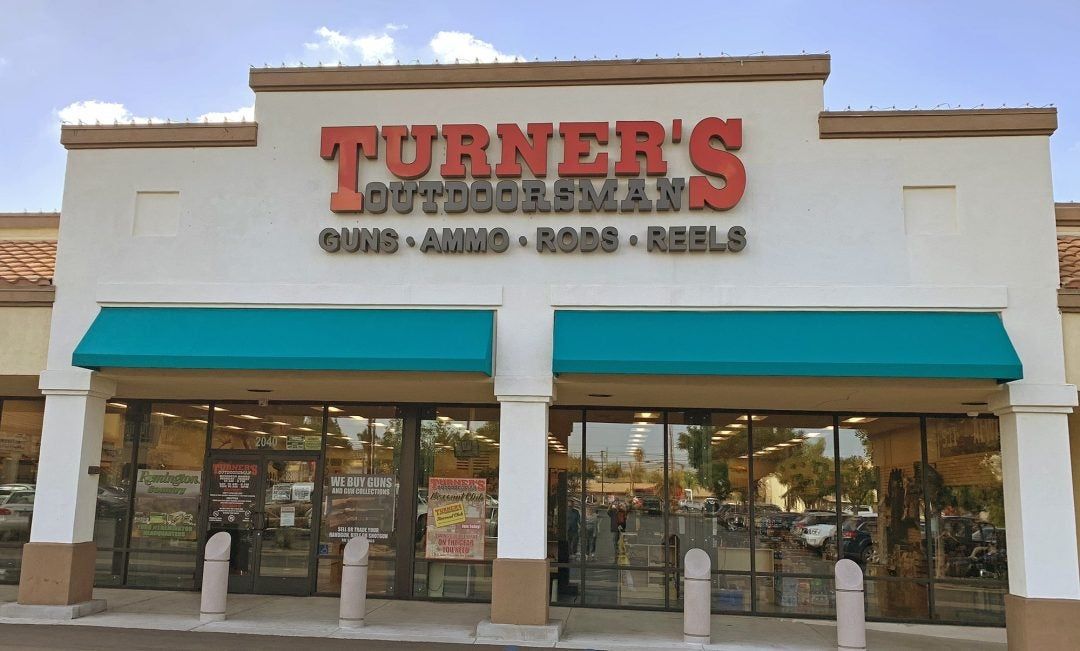
Turner's Outdoorsman, a California-based firearms retailer, filed suit against the Brady Campaign after the anti-gun group publicly blamed the chain for a legally sold firearm connected to a man accused of attempting to assassinate President Trump. The retailer contends the Brady Campaign made false and defamatory statements without evidence that Turner's engaged in wrongdoing or negligent sales practices.
Key Details
- The firearm in question was legally purchased through Turner's Outdoorsman by the accused individual
- The Brady Campaign publicly attributed the weapon to Turner's Outdoorsman without evidence of improper conduct by the retailer
- Turner's Outdoorsman operates multiple locations across California and maintains legal compliance with state and federal firearms regulations
- The lawsuit targets the Brady Campaign's public statements linking the retailer to the incident
Why It Matters for Gun Owners
This case exposes a dangerous pattern: anti-gun advocacy groups using high-profile incidents to smear lawful retailers without evidence. If Brady Campaign members can publicly defame gun stores for legal sales, every FFL becomes a target when any legally purchased gun is later misused—regardless of how the sale was conducted. California's hostile regulatory environment already stacks the deck against retailers through universal background checks, waiting periods, and ammunition purchase restrictions. Turner's forcing accountability for baseless accusations sets a crucial precedent that gun stores aren't responsible for criminal acts committed with legally sold firearms. For gun owners, this matters because attacks on retailers through defamation weaken the supply chain and encourage businesses to exit the market altogether.
DownRange Analysis
Turner's has legitimate grounds here. The Brady Campaign's public statements constituted defamation per se—accusing a business of negligence or wrongdoing without factual basis. A legally completed sale followed by criminal misuse doesn't establish retailer liability. This lawsuit could force discovery of Brady's internal communications, exposing whether they knowingly spread false claims or simply acted recklessly. The broader implication: gun owners should support FFL litigation against advocacy groups that weaponize tragedy to attack lawful commerce. If retailers can't defend themselves legally, California's already thin dealer network shrinks further, reducing access for law-abiding citizens. Watch whether Brady settles or fights—settlement signals they lack evidence, while contested litigation reveals their playbook for future attacks on retailers.