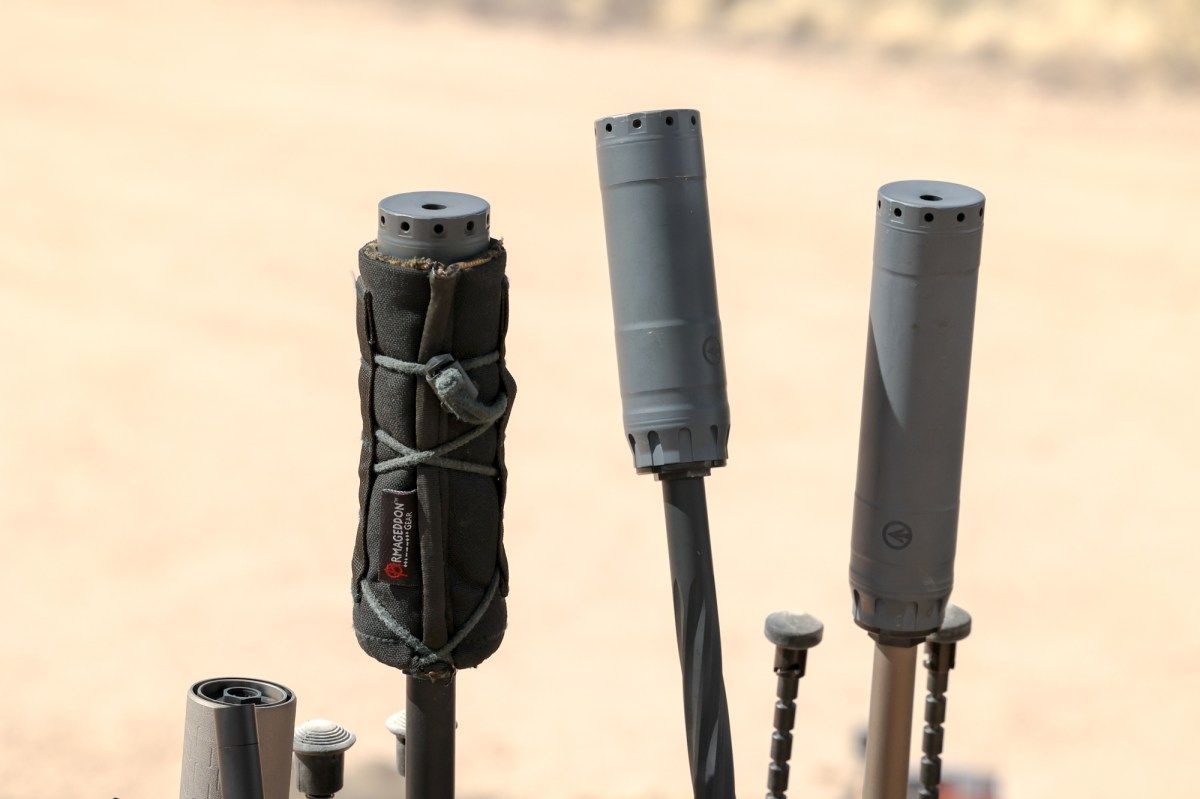
Suppressor Sales Explode as Gun Shops Ignore Federal Silence
A federal court ruling deregulating suppressors triggered immediate sales spikes across the firearms industry, yet most dealers remain deadlocked waiting for ATF guidance that may never arrive. Some retailers already moved inventory to qualifying customers while others froze operations entirely, creating a fractured market where buyer eligibility remains unclear and compliance standards shift daily.
Key Details
Demand surge. Companies reported significant upticks in suppressor purchases following the ruling, with some retailers experiencing inventory pressure as customers rushed to complete transactions.
Dealer paralysis. The majority of gun shops halted sales pending federal guidance on who qualifies as a legal buyer and what documentation proves compliance.
No official direction. Federal agencies have not issued binding clarification on implementation, forcing dealers to interpret the ruling independently or sit idle.
Why It Matters for Gun Owners
If you want a suppressor now, your local gun shop may refuse to sell one—not because they won't, but because they don't know the legal requirements. Early adopters who bought from aggressive dealers might face ATF questions later. The inconsistency means a suppressor legal to purchase in one state or store could expose you to scrutiny elsewhere. Shooters serious about sound reduction should document any purchase thoroughly and understand that federal guidance could retroactively change what counts as compliant. Don't assume a deregulation ruling means no rules—it means unclear rules, which is often worse for the gun owner.
DownRange Analysis
This is the cost of court victories without regulatory clarity. The ruling stripped regulatory authority but left no pathway for dealers to operate confidently. Gun shops aren't obstructing gun owners—they're protecting themselves from legal exposure. Until ATF issues a formal position (unlikely given political pressure), each dealer becomes a test case. Early buyers bear actual risk; late movers get better information. The smart move is patience. Check back in 60 days. If your dealer still won't sell, that's your market signal that federal silence continues, and you're not missing much by waiting.