.22 ARC ballistics match .243 Winchester lethality with flatter flight
The .22 ARC delivers identical terminal performance to the .243 Winchester while flying flatter and drifting less in wind. Engineers designed the cartridge around highly efficient .22-caliber bullets that maintain velocity better over distance than traditional .243 rounds. A shooter using .22 ARC sees measurably less bullet drop at 300 yards and holds wind calls tighter at extended range. The cartridge fires from AR-15 platforms with standard bolt face dimensions, meaning no new rifle required for shooters who already own modern sporting rifles. Ammunition manufacturers including Federal and Hornady now offer factory loads in .22 ARC, with prices ranging from $1.25 to $1.80 per round depending on bullet weight and construction.
Background and Context
The .243 Winchester has dominated mid-range hunting since Winchester introduced it in 1955. The cartridge defined efficiency for varmint and deer hunting—fast enough to reach out past 300 yards, powerful enough for ethical kills, simple to reload. But ballistic theory improved. Modern bullet designs and powder formulations made smaller calibers viable at extended ranges. Designers created the .22 ARC specifically for AR-15 shooters who wanted better aerodynamic performance than older .22-250 Remington loads without switching to larger cartridges. The cartridge sits between the 5.56 NATO and traditional .243 Winchester in performance, filling a niche that didn't clearly exist before. Ammunition makers recognized demand from long-range hunters and competition shooters tired of wind bucking and trajectory compensation.
What This Means for Gun Owners
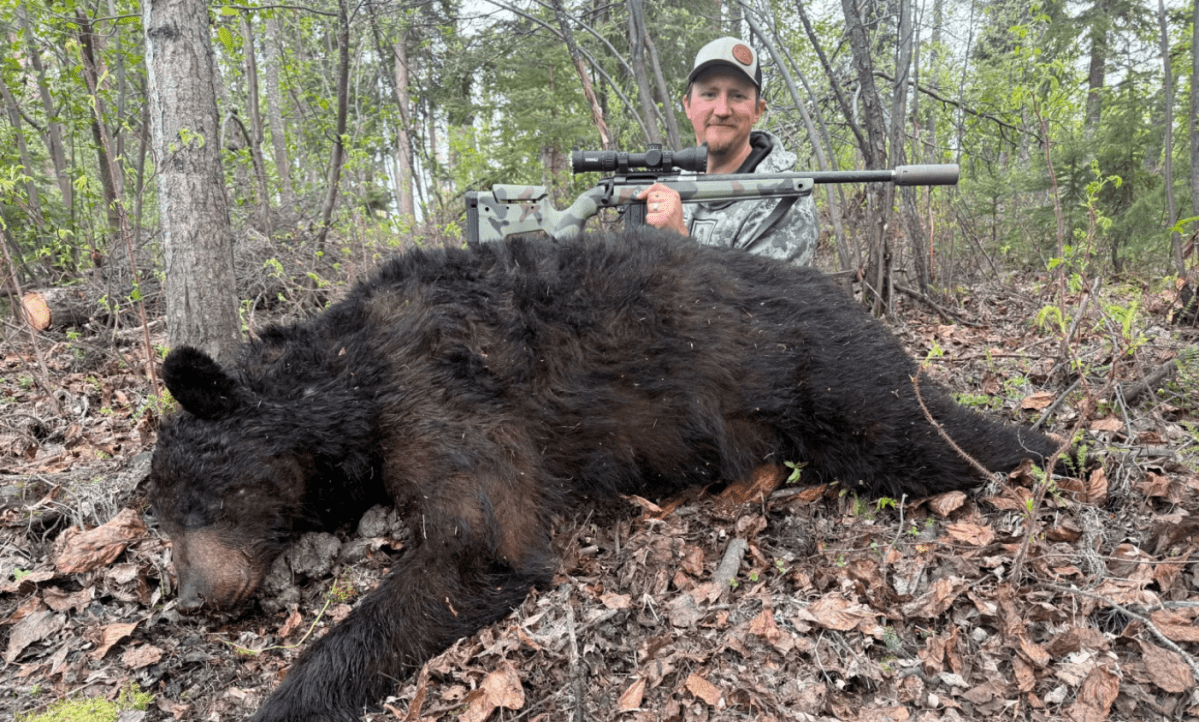
Hunters operating in open terrain gain practical advantages. A deer hunter shooting .22 ARC at 250 yards experiences flatter bullet flight and wind deflection roughly 20 percent less than comparable .243 Winchester loads. This translates directly to tighter shot groups when conditions aren't perfect. AR-15 owners already holding modern sporting rifles can simply change uppers and rechamber to .22 ARC without buying new receivers. Reloaders find .22 ARC brass becoming steadily available from major manufacturers. The cartridge works effectively on deer, antelope, and varmints across western and plains states where wind and distance separate hunters from game. Ammunition costs currently run 15 to 20 percent higher than .243 Winchester factory loads, but supply should stabilize pricing as production increases. New shooters learning long-range rifle work find the .22 ARC manageable—less recoil than .243 Winchester, less expensive than larger magnums, more forgiving than smaller varmint cartridges.
Industry Impact
Major ammunition manufacturers have committed production capacity to .22 ARC. Federal Premium and Hornady now load factory ammunition in multiple bullet weights, signaling confidence in market demand. Rifle manufacturers including CMMG, Proof Research, and others now chamber AR-15 uppers in .22 ARC, with prices typically $400 to $600 for a complete upper receiver. The National Shooting Sports Foundation has tracked cartridge adoption, noting steady year-over-year increases in .22 ARC ammunition sales since 2024. Second Amendment advocacy groups haven't taken specific positions on the cartridge, as it presents no legal questions. Retailers report strong customer interest, particularly from hunters in Colorado, Wyoming, and Montana where longer-range hunting is standard practice and wind is constant.
What to Watch Next
Track ammunition availability and pricing through the 2026 hunting season. Expect factory ammunition costs to drop as production scales and competition between manufacturers increases. Watch for adoption by military and law enforcement agencies testing intermediate cartridges—the .22 ARC meets range requirements for some specialized units. Competition shooting organizations including PRS (Precision Rifle Series) may introduce .22 ARC divisions as the cartridge gains shooter participation. Bullet manufacturers will likely introduce specialized hunting and target variants optimized for .22 ARC velocities. Reloading component suppliers should expand .22 ARC brass and powder selection through 2027. Monitor hunting season reports from western states to document real-world terminal performance data on game.
DownRange Bottom Line: The .22 ARC is legitimately superior to the .243 Winchester for AR-15 shooters and hunters operating at extended range in windy conditions. If you already own an AR-15 and hunt past 250 yards regularly, an upper receiver swap is worth the investment. Don't rush—wait for ammunition prices to normalize as factory production increases, then build or buy one upper. It's not a replacement for .243 Winchester in bolt rifles, but for modern sporting rifle owners, it's the better tool for the job.