Suppressor Demand Surges as ATF Processing Times Plummet
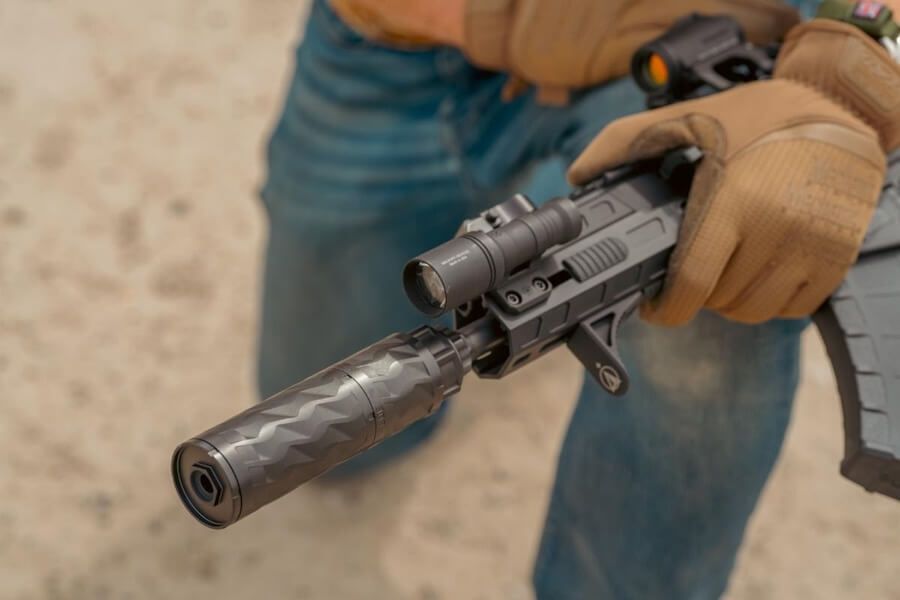
Suppressor sales are accelerating across the U.S. market as three converging factors reshape the commercial landscape: manufacturers have lowered retail prices, the ATF is approving Form 4 applications faster than historical norms, and both hunters and range shooters are buying suppressors at higher rates than before. The combination is creating measurable momentum in a market segment that was historically throttled by federal approval delays and cost barriers.
Key Details
Price compression is forcing manufacturers to compete on retail costs while maintaining margins. Hunters cite hearing protection and recoil reduction as primary purchase drivers. Recreational shooters increasingly view suppressors as standard equipment rather than niche accessories. ATF Form 4 approval timelines have contracted significantly—the federal agency is processing applications faster than it has in recent years, removing a traditional friction point that delayed buyers from completing purchases. Market data shows sustained demand across multiple suppressor types and bore diameters, with no signs of artificial scarcity driving artificial price increases.
Why It Matters for Gun Owners
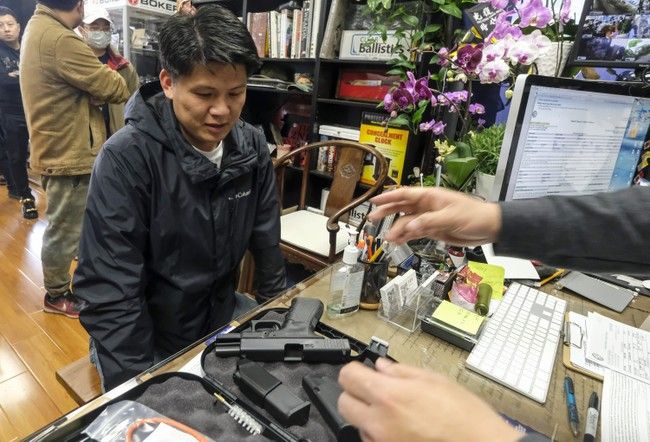
Suppressors remain the most regulated firearm accessory under federal law, requiring a $200 Tax Stamp, a Form 4 application, and an ATF approval before you can legally possess one. When approval times were 9+ months, many buyers deferred purchases indefinitely. Shorter timelines change the math. If you've been sitting on suppressor money or considering one for your hunting rifle or precision rifle, current approval speeds mean you'll actually shoot the suppressor in 2026—not 2027. Price drops make entry costs lower than they were two years ago. For hunters, a .30-caliber suppressor reduces muzzle blast and hearing fatigue during seasons where ear protection isn't culturally expected. For range shooters, the noise reduction keeps you inside hearing-safe thresholds without doubling down on earpro. The shift also signals that the ATF's administrative machinery is functioning more smoothly, which reduces uncertainty in your purchase timeline.
DownRange Analysis
Faster ATF processing and lower suppressors prices together represent genuine market relief, not temporary fluctuation. Manufacturers wouldn't drop prices if demand were unstable. The ATF's improved Form 4 processing suggests the agency has either hired additional staff or streamlined digital review—either way, the bottleneck is genuinely easing. For gun owners, this is the moment to act if you've been waiting. Tax Stamp money is still $200 and non-refundable, but the suppressor itself costs less and arrives sooner. Don't assume prices fall further—competitive pressure may stabilize them. Start your Form 4 paperwork now if you're serious about adding one to your setup.