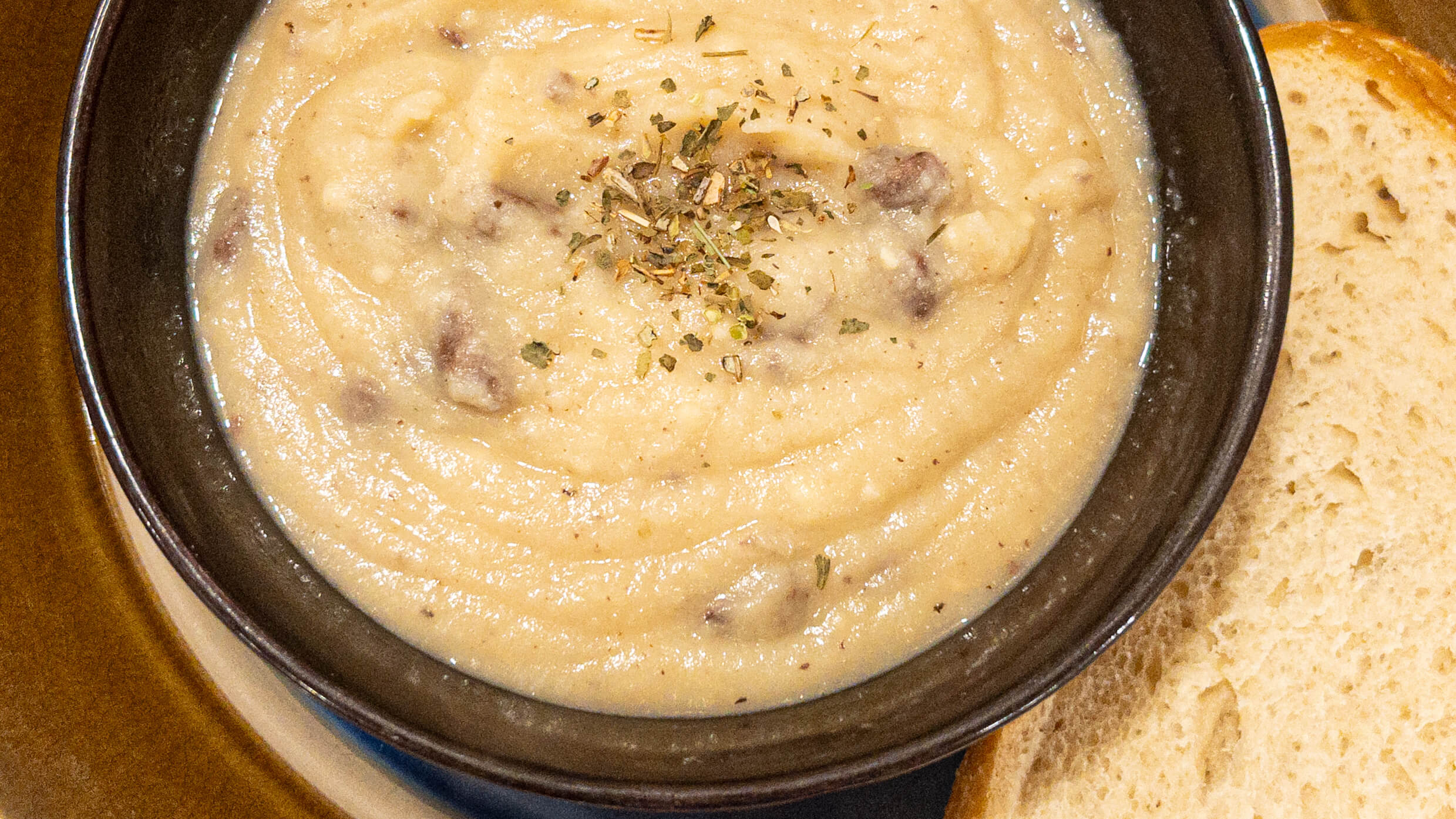
Field-to-Table Protein: Elk Heart Makes Premium Soup in 20 Minutes
Hunters who process their own elk waste nothing. The heart—often overlooked—delivers rich, lean protein perfect for quick, filling meals. A simple mashed potato soup using elk heart transforms trophy meat into comfort food faster than most people expect.
This recipe demands minimal prep. Dice fresh elk heart into half-inch cubes. Brown the meat in cast iron over medium-high heat for three minutes per side. The organ meat develops a dark crust while staying tender inside. Hunters familiar with field dressing recognize this texture: properly handled game tastes superior to grocery store alternatives.
Add diced potatoes, onion, and garlic to the pan. Pour in beef broth—four cups minimum. Bring to a boil, then reduce heat. Twenty minutes of simmering renders the potatoes soft enough to mash directly in the pot. The elk heart meat breaks apart with a wooden spoon, thickening the broth naturally.
Season aggressively. Salt, cracked black pepper, and fresh thyme work best. Many hunters add leftover Thanksgiving vegetables: carrots, celery, even turkey drippings. These additions enhance flavor without requiring extra cooking time. A splash of heavy cream finishes the dish, though water works fine for leaner versions.
Why It Matters for Gun Owners
Self-sufficiency means eating what you harvest. Organ meats like heart and liver represent 30-40% of an elk's edible mass. Wasting them contradicts everything responsible hunting teaches. This recipe solves a real problem: converting premium game into meals that family actually eats.
The 20-minute timeline matters for backcountry hunters. Field camps need hot food that doesn't demand hours of cooking. Elk heart soup provides calories, warmth, and morale when temperatures drop. Hunters who've processed animals know organ meats spoil faster than muscle meat. Quick recipes protect your investment.
Cost comparison favors wild game. Store-bought beef stew meat runs $8-12 per pound. Elk heart costs nothing beyond your tag and ammunition. Potatoes, onions, and broth total under five dollars. A pot serving six people costs less than a single restaurant burger.
Background
Organ meat cookery traces back centuries. European and Native American hunters understood that heart muscle provides superior flavor and nutritional density compared to standard cuts. Modern hunters often discard organs due to unfamiliarity or poor preparation techniques.
Elk heart weighs 3-5 pounds on mature bulls. The meat appears deep red—darker than backstrap—because the heart constantly works. This density means quick cooking prevents dryness. Unlike tougher organs, heart benefits from brief, hot contact with cast iron.
Potato soup specifically suits wild game because the starch absorbs rich flavors. The mashing technique creates body without cream, though cream enhances palatability. This method works equally well with mule deer heart, moose heart, or antelope.
DownRange Bottom Line
Respect your kill by eating every part. Elk heart transforms into restaurant-quality soup in less time than delivery takes. Master this recipe and you solve meal planning for hunting season, backcountry camps, and average weeknight dinners.
Carry cast iron in your camp kitchen. Twenty minutes of heat, basic seasonings, and one organ meat deliver nutrition that sustains hunters through cold mornings and long tracking days. This is practical self-sufficiency—the foundation of hunting culture.