Federal Court Kills NFA Suppressor and SBR Registration Requirements
The U.S. District Court for the Northern District of Texas struck down the National Firearms Act's registration and approval scheme for suppressors, short-barreled rifles (SBRs), and short-barreled shotguns (SBSs) on August 5, 2026. The ruling followed an NRA lawsuit challenging whether Congress retained constitutional authority to enforce registration mandates after eliminating the NFA's transfer and making tax. The court found the registration requirements exceeded congressional power in the absence of the underlying tax mechanism.
Key Details
- The court invalidated registration mandates for three NFA categories: suppressors, SBRs, and SBSs
- Congress previously eliminated the NFA transfer tax and making tax that historically justified the registration scheme
- The NRA brought the case and secured the victory in the Northern District of Texas
- The ruling applies immediately to the jurisdiction, though nationwide applicability remains subject to appellate review
Why It Matters for Gun Owners
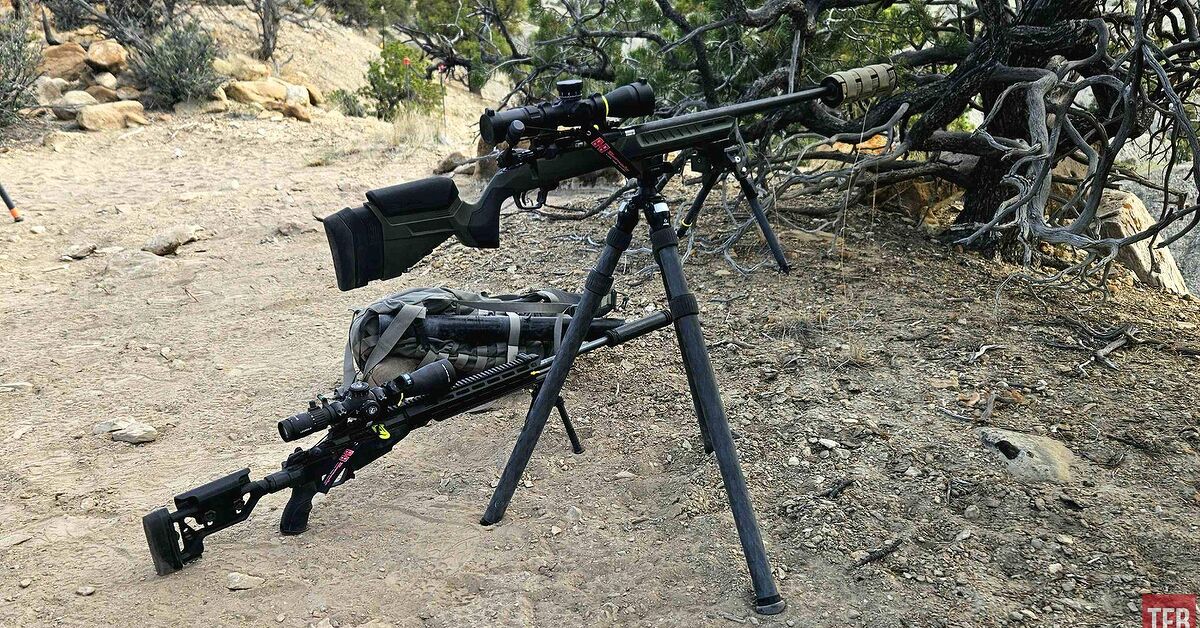
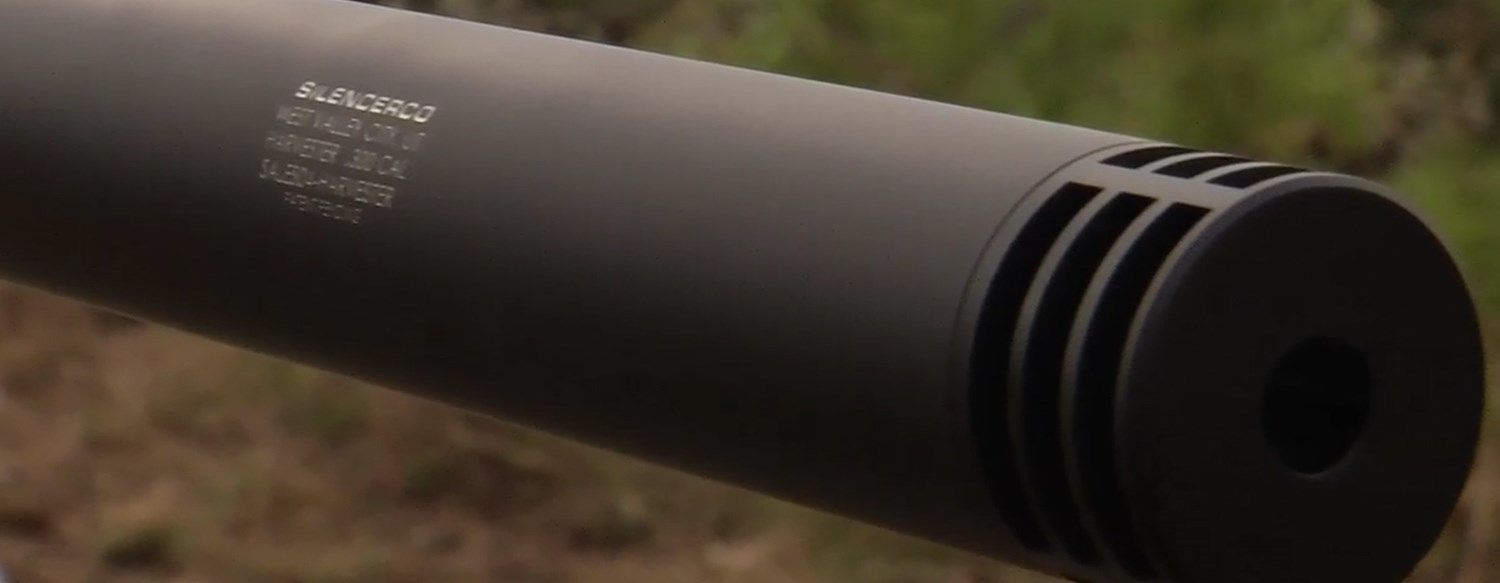
This decision strikes at the regulatory foundation that has governed suppressors and short-barreled firearms for decades. If the ruling survives appellate scrutiny, gun owners could legally manufacture or possess these items without Form 1 applications, ATF approval delays, fingerprinting, and the associated $200 tax stamps. For suppressor users, this eliminates months of bureaucratic processing. For SBR builders and those running short-barrel defensive rifles, the decision removes federal registration requirements entirely. The practical impact depends on whether this becomes binding nationwide or remains limited to Texas. Gun owners in other circuits should monitor appeals closely—a split decision across federal courts could accelerate Supreme Court review.
DownRange Analysis
This decision aligns with post-Bruen constitutional scrutiny of gun regulations. The court rejected a tax-based registration scheme divorced from its original revenue purpose—a logical extension of New York State Rifle & Pistol Association v. Bruen's text-and-history framework. Registration requirements without clear historical precedent for suppressors and SBRs became vulnerable. However, expect the government to appeal aggressively. The ATF and DOJ will argue the registration scheme remains constitutional independent of the tax. Until a higher court affirms or SCOTUS weighs in, gun owners should not abandon compliance—Form 1 filings remain legally required outside Texas. This decision opens the door to broader challenges of NFA registration generally, but the road is long.