Federal Judge Strikes Down ATF Frame and Receiver Rule
A federal judge declared the ATF's frame and receiver rule unconstitutional, dealing a direct hit to the agency's authority to regulate unfinished firearm components. The ruling applies only within that judge's jurisdiction. The ATF rule remains enforceable everywhere else in the United States. This creates a fractured legal system where your rights depend on your zip code.
Why It Matters for Gun Owners
If you live in the winning jurisdiction, the frame and receiver rule cannot be enforced against you—today. Everywhere else, the rule stands in full force. The ATF can still prosecute possession or sale of unfinished frames and receivers as regulated firearms in non-winning districts.
Gun owners need to know their state and federal circuit. You must understand where you operate legally. Call your local ATF office or firearms attorney to confirm your district's status. Don't assume anything.
This fragmentation will force the issue toward appellate courts and potentially the Supreme Court. That's where the rule's fate will be decided on a nationwide basis. Until then, assume the rule applies in your area unless your specific district has received a similar ruling. A single judge's decision doesn't stop enforcement across the country.
The split ruling creates immediate practical complications for manufacturers, dealers, and enthusiasts. Online retailers must now track customer location before shipping frames or receivers. Gunsmiths and custom builders operating in non-winning jurisdictions face legal exposure. Parts companies face impossible compliance costs when operating across multiple circuits.
Background
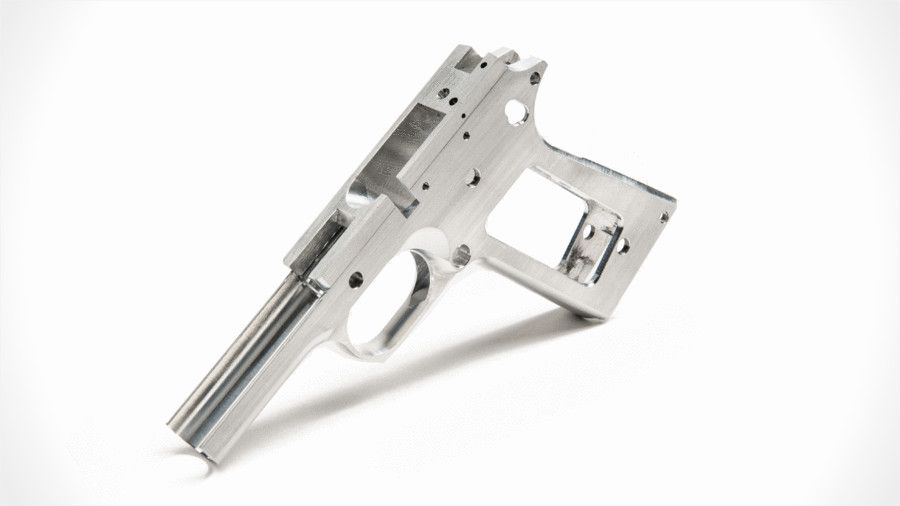
The ATF issued the frame and receiver rule in 2022, expanding the statutory definition of "firearm" to include unfinished components like 80-percent frames and receivers. The agency classified partially completed parts as regulated firearms requiring serial numbers, background checks, and FFL processing.
Gun owners and manufacturers immediately challenged the rule in federal court. They argued the ATF exceeded its authority by redefining terms Congress established in statute. The Second Amendment argument centered on constitutional protections for manufacturing firearms for personal use.
Multiple lawsuits worked through different federal circuits simultaneously. Some judges sided with the government. Others sided with gun owners. This judge's ruling joins a growing body of litigation challenging the agency's regulatory authority over components, not finished products—a distinction grounded in statutory language.
The ATF will appeal this ruling. Other circuits may reach opposite conclusions, prolonging legal uncertainty across America. Gun owners in different states now face different rules on identical components. A frame legal to possess in one jurisdiction becomes a felony in another fifty miles away.
DownRange Bottom Line
This ruling signals judicial skepticism of ATF overreach on component regulation. However, one district court win doesn't stop enforcement or settle the constitutional question nationwide. The agency has already announced its appeal. Expect years of litigation before this reaches final resolution.
Gun owners should not assume this ruling protects them. Verify your district's current status with a firearms attorney. The legal landscape remains hostile outside winning jurisdictions. Storage, possession, and manufacturing of frames and receivers still carry federal felony penalties in most of America.
The Supreme Court may eventually resolve this conflict. Until then, operate under the assumption the ATF rule applies everywhere except explicitly ruled districts. Check your jurisdiction before purchasing or manufacturing frames and receivers. One mistake costs you your Second Amendment rights and your freedom.