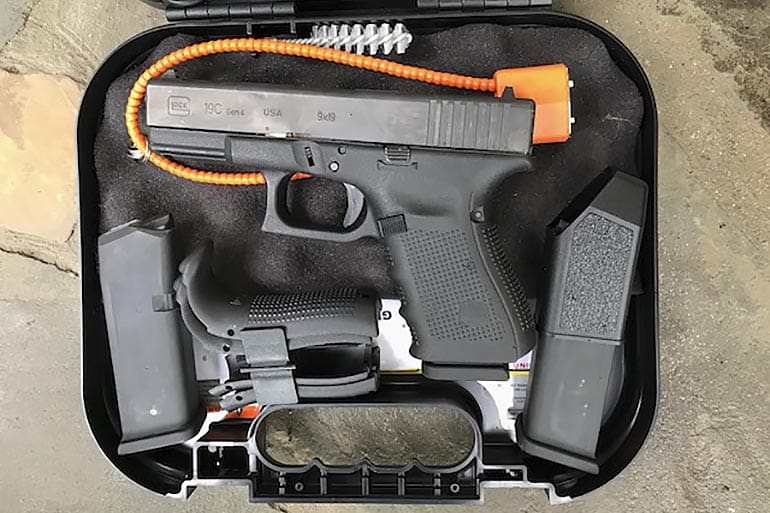
NRA, FPC, SAF Sue New York Over Glock Sales Felony Ban
The National Rifle Association, Firearms Policy Coalition, and Second Amendment Foundation filed federal court action against New York after the state enacted a law making the sale or transfer of Glock pistols and Glock-style firearms a felony offense punishable by up to seven years imprisonment. The lawsuit challenges a prohibition with no comparable precedent—a state law targeting a specific handgun manufacturer and its design variants for criminal sanctions.
Key Details
The New York law criminalizes the commercial sale, transfer, or distribution of Glock pistols and any firearm substantially similar in design. Violators face felony charges carrying sentences up to seven years. The statute does not exempt licensed dealers, private transfers between family members, or out-of-state residents unknowingly possessing such firearms in the state. The filing date was August 17, 2026. The three groups represent millions of members and donors with direct interest in handgun ownership and carry rights in New York and nationally.
Why It Matters for Gun Owners
This law creates immediate jeopardy for New York gun owners and residents who possess Glock pistols—whether purchased before or after enactment. A Glock 19, 17, 43, or any of dozens of current and discontinued models becomes contraband under state law. Gun owners face felony liability simply for possession or transfer. The precedent cuts deeper: if New York can ban Glock by model name and design, other states can follow with bans on AR-15s, 1911s, or any specific platform. Carry permit holders, sportsmen, collectors, and hunters in New York operate under immediate legal exposure. The lawsuit's outcome will determine whether model-specific prohibition survives constitutional scrutiny post-Bruen.
DownRange Analysis
New York's gambit tests whether a state can sidestep the Bruen framework by targeting specific designs rather than broad categories. The Second Amendment Foundation and FPC have successfully challenged handgun rosters and bans on other grounds; this case raises whether historical regulations support criminalizing a manufacturer's output. The felony sentences make this unusually aggressive—prior restrictions imposed civil penalties or registration requirements. Federal courts will likely scrutinize whether a Glock ban has historical analogue and whether it survives intermediate scrutiny if distinction-drawing is permitted at all. Gun owners should expect a multi-year battle through appeals. The stakes extend beyond New York: a ruling upholding the ban invites copycat legislation nationwide.