Double-Stack 1911 Pistols Hit Rock-Bottom Prices as Inventory Moves
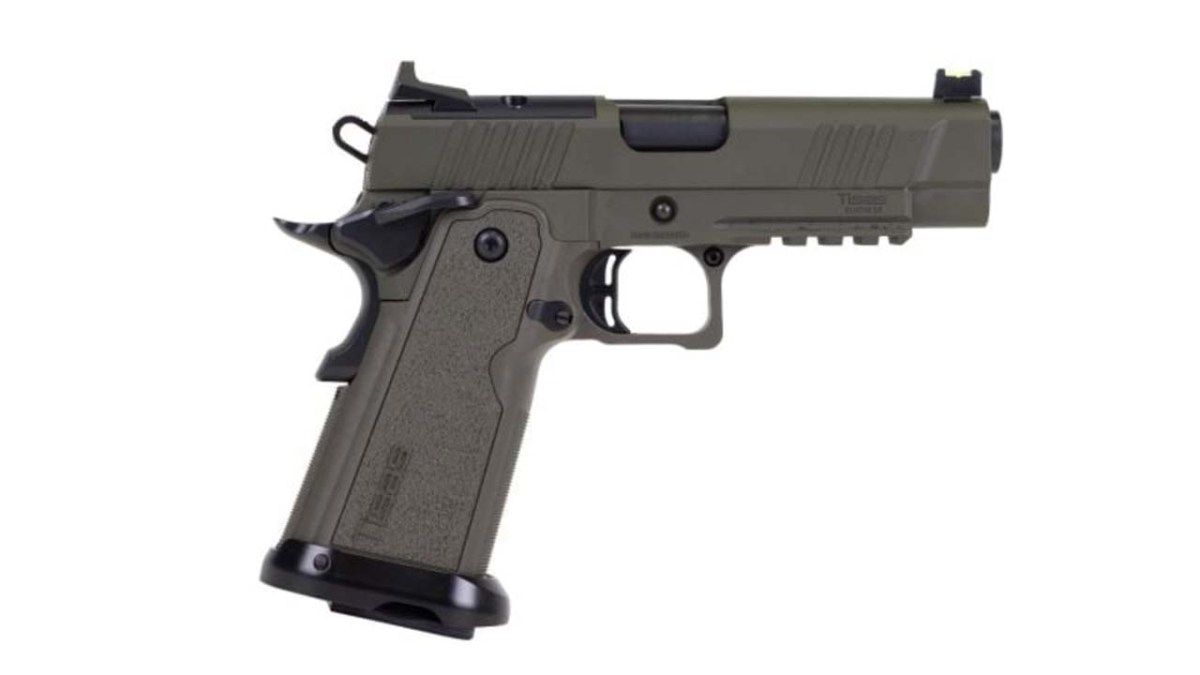
Multiple manufacturers are liquidating double-stack 1911 inventory at prices that undercut standard Glock models, marking a rare window for buyers seeking 1911 ergonomics without premium pricing. Several models are now available at or below $600 street price, a significant drop from the $800-$1,000 range that dominated the market five years ago. The price compression reflects oversupply in the modern 1911 market, where dozens of manufacturers have flooded shelves with variants designed to compete with striker-fired pistols. Buyers shopping now can acquire legitimate double-stack 1911s—steel-framed, 9mm capacity-fed options—at price points once reserved for budget polymer-frame guns. Outdoor Life Guns reported the sales trend Wednesday, noting multiple SKUs affected across established manufacturers.
Background and Context
The double-stack 1911 category exploded after Springfield Armory and Dan Wesson proved the concept worked in competition and duty use. The flat-shooting, single-action trigger mechanics that made 1911s legendary in IPSC matches also made them attractive to shooters tired of polymer-frame limitations. From 2015 to 2022, the segment expanded aggressively. Kimber, Sig Sauer, Staccato, Nighthawk, Fusion Firearms, and a dozen other brands introduced competing models. The market absorbed only so much inventory. By 2024, manufacturer backlogs and dealer overstock became visible in forum discussions and retail price tracking. Unlike compact Glocks or Smith & Wesson M&Ps—which maintain steady demand and pricing—double-stack 1911s sit on shelves longer. Serious competitive shooters already own them. Duty agencies rarely adopt the platform. Price cuts accelerate movement.
What This Means for Gun Owners
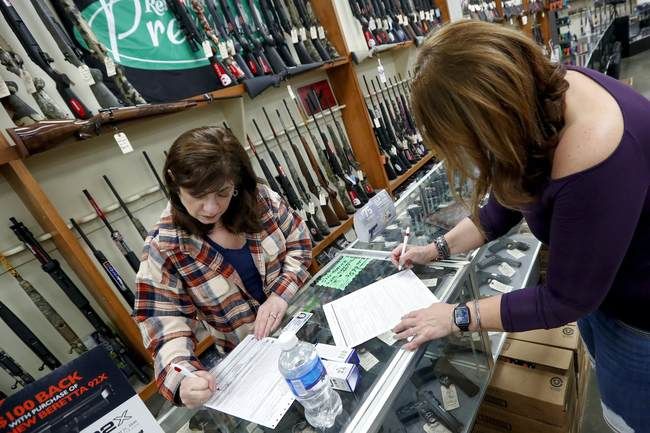
The current pricing removes the barrier-to-entry excuse for shooters interested in steel-framed, single-action pistols. A buyer can now purchase a factory double-stack 1911 in 9mm, complete with warranty and reliability history, for the same money as a compact Glock 19 or Shield Plus. This matters because 1911s demand deliberate trigger control and sight alignment—skills that transfer directly to precision rifle work and competition. Ammunition costs favor 9mm across all platforms, so the 1911 buyer avoids the .45 ACP premium that historically drove shooters toward plastic guns. The sale window is real but finite. Manufacturers will adjust production once inventory normalizes. Shooters who have wavered on the 1911 platform should act now. Check LGS inventories in your state and request specific models. Inspect for finish quality and function before purchase, since discounted units sometimes reflect open-box or demo-gun status.
Industry Impact
Staccato, Sig Sauer, and Springfield Armory have not publicly commented on the price compression, but market watchers note that competitive 1911 manufacturers face difficult choices. Cutting wholesale prices to move inventory harms margins and devalues existing customer purchases. Conversely, maintaining MSRP while retailers discount heavily damages brand perception and dealer relationships. The Glock and M&P platforms avoid this trap because their production runs remain tightly managed and aftermarket competition is limited. Double-stack 1911 makers face the opposite: easy copies, numerous competitors, and a customer base accustomed to customization and modification. Distributors are likely accepting the hit to clear warehouse space before Q4. Gunbroker and armslist listings confirm retail availability below published MSRP. Small manufacturers depending on 1911 sales—custom shops and niche builders—may feel pressure if discount pricing becomes the new baseline.
What to Watch Next
Monitor retailer inventory through July 2026. If prices hold or fall further, the discount is structural, not promotional. Watch for manufacturer announcements regarding production cuts or model discontinuations—a sign the segment is contracting. Track 1911 competition scores in IPSC and USPSA databases to see whether the lower entry price brings new shooters into precision pistol sports. The used market will absorb some volume as budget-conscious buyers purchase and then flip discounted new models. Check local FFL pricing in Washington and adjacent states where 1911 ownership remains strong. If double-stack inventory persists into fall 2026, expect deeper cuts as holiday discounting begins. Conversely, if prices stabilize or rebound by August, buyers should treat the current window as temporary and act accordingly.
DownRange Bottom Line: This is a real buying opportunity, not marketing hype. If you have considered a 1911 but balked at the $900+ retail price, the market is handing you a legitimate $200-$300 discount. Buy now, shoot it, learn it. The price window will close. Don't spend six months researching—use the money to train instead.