DOJ Blocks Age-21 Handgun Ban; Giffords Calls It 'Very Bad'
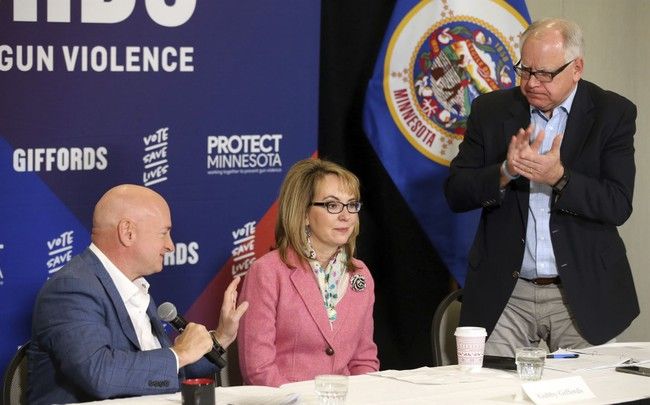
The Department of Justice Office of Legal Counsel has determined that Section 922(b)(1)—the federal statute prohibiting licensed dealers from selling handguns to adults younger than 21—violates Second Amendment protections. Former U.S. Representative Gabby Giffords and Emma Brown, executive director of the Giffords gun control organization, responded by releasing a short video opposing the DOJ ruling, characterizing the decision as harmful to public safety.
Key Details
Section 922(b)(1) has blocked commercial handgun sales to 18-to-20-year-olds since 1968. The DOJ Office of Legal Counsel's opinion now categorizes this restriction as unconstitutional under Second Amendment jurisprudence, likely referencing the New York State Rifle & Pistol Association v. Bruen standard established by the Supreme Court in 2022. The Giffords organization, founded by the former congresswoman after surviving a 2011 shooting in Arizona, frames the ruling as endangering youth safety without presenting specific crime data or empirical analysis supporting their position.
Why It Matters for Gun Owners
This DOJ opinion signals that age-based restrictions on constitutional rights face heavy scrutiny post-Bruen. For gun owners, it clarifies that blanket age cutoffs—even long-standing ones—require historical grounding under the new constitutional test. States cannot simply assert that younger buyers pose inherent danger; they must prove it with evidence aligned to founding-era regulations. Practically, dealers in states where this opinion gains legal footing may soon legally sell handguns to 18-to-20-year-olds, affecting pricing, inventory, and compliance procedures. Young adults planning purchases should monitor whether their state legislature or courts respond by enacting narrower, evidence-based restrictions that might survive legal challenge.
DownRange Analysis
The DOJ's position reflects the post-Bruen reality: broad categorical exclusions from constitutional rights need historical justification, not policy assumptions. Giffords' response—labeling the decision "very bad" without specifics—illustrates gun control groups' struggle adapting to the new legal standard. They're accustomed to defending restrictions on grounds of public safety efficacy; the court now demands historical analogs from 1791 or the Reconstruction era. Unless states produce historical evidence that young adult handgun ownership created unique danger in those periods, age-21 bans will likely fall. Gun owners should expect continued litigation as states either accept the change or attempt narrower regulations tied to specific categories like prohibited persons or licensing standards.