Rhode Island Magazine Ban Faces Motion to Dismiss Without Trial
Plaintiffs in a lawsuit against Rhode Island's large-capacity magazine ban filed a motion asking the court to invalidate the law without proceeding to trial. The challenge targets the state's restrictions on the sale and possession of magazines exceeding the state-defined capacity threshold, arguing the ban violates Second Amendment rights under the Bruen framework.
Key Details
- Gun owners and dealers filed a motion to strike down the magazine ban without a full trial on merits
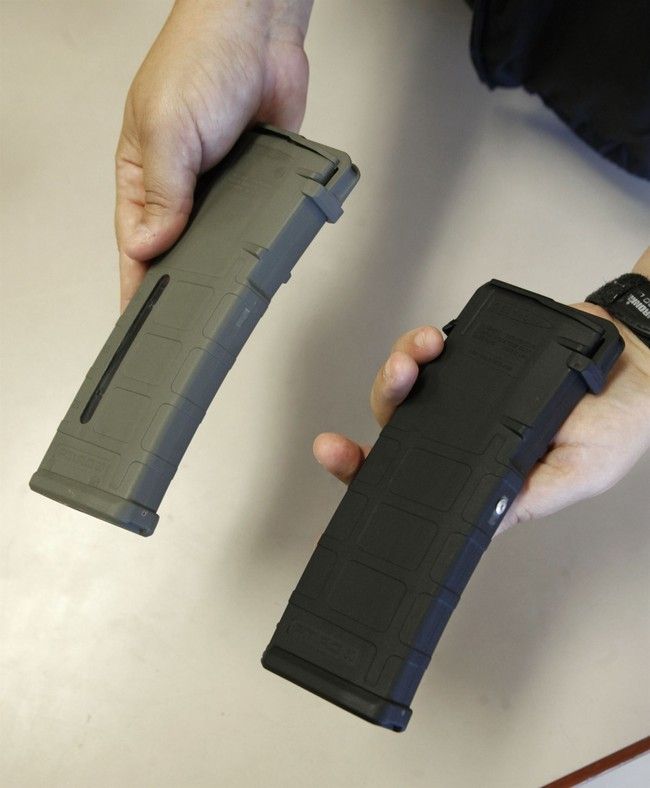
- The lawsuit challenges Rhode Island's restrictions on "large capacity" magazine sales and possession
- Plaintiffs argue the ban fails constitutional scrutiny under recent Supreme Court precedent
Why It Matters for Gun Owners
Rhode Island's magazine restrictions directly impact anyone who carries, competes, or owns firearms in the state. A successful motion eliminates the years-long litigation grind—judges rule on law, not jury deliberation. If the court grants the motion, gun owners regain access to standard-capacity magazines for common defensive platforms like AR-15s and modern handguns. The decision also sets precedent for similar mag bans in Massachusetts and Connecticut, where restrictions closely mirror Rhode Island's framework. Defeat means gun owners continue operating under capacity limits that don't align with how modern firearms function or how law enforcement equips officers.
DownRange Analysis
Post-Bruen, courts are increasingly skeptical of magazine restrictions that lack historical grounding. Rhode Island lacks evidence that founding-era regulations targeted magazine capacity—they regulated powder horns and paper cartridges, not detachable boxes. A motion to dismiss succeeds when the law fails on its face; the state must prove a substantial public safety benefit tied to magazine capacity, not just assert one. Gun owners should monitor this case closely—a Rhode Island win pressures Massachusetts and Connecticut to defend similar laws or withdraw them. If the judge denies the motion, expect a protracted trial on historical analogues and empirical data on mass shootings.