Video Evidence Frees Man Charged in UC Self-Defense Shooting
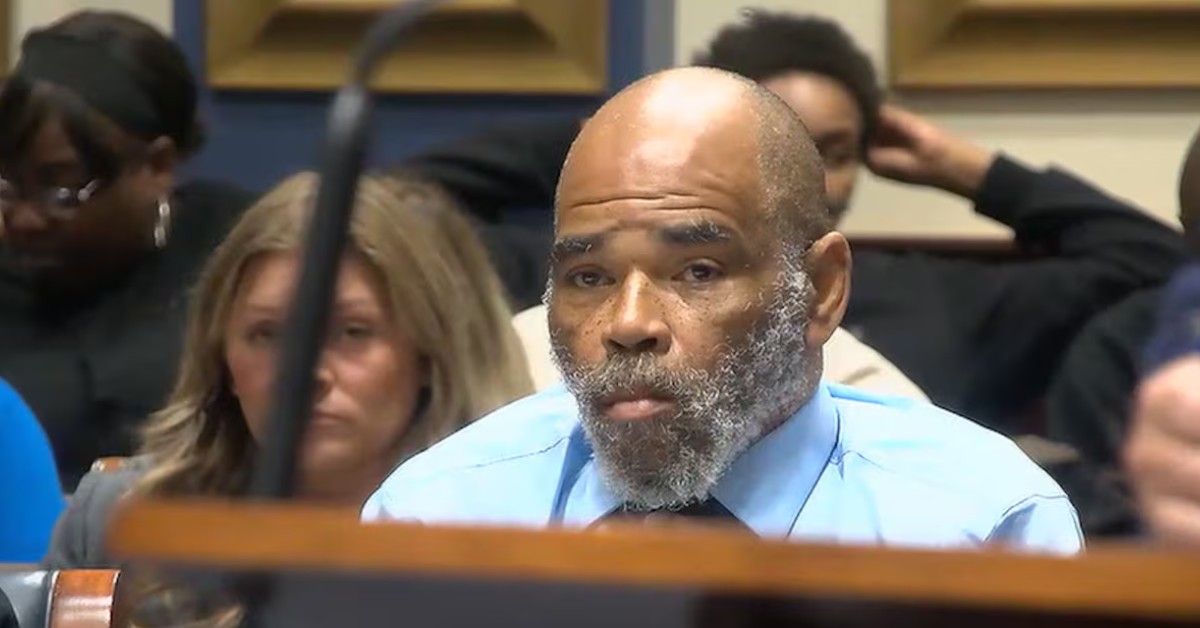
A murder trial in Hamilton County Common Pleas Court collapsed when security camera footage contradicted the prosecution's core narrative. Antwoine McCants, 56, stood accused in the death of a man at a University of Cincinnati-area Shake Shack on Calhoun Street. Security video documented the alleged victim carrying a firearm during the confrontation—a fact the prosecution's primary witness, the victim's fiancée, had initially denied. After viewing the footage, she recanted her entire statement, gutting the state's case.
Key Details
- Security camera footage from inside the Shake Shack captured the victim armed before the confrontation escalated.
- The victim's fiancée served as the prosecution's key witness but reversed her testimony after video evidence emerged.
- The case unfolded in Hamilton County Common Pleas Court in Ohio, near the University of Cincinnati campus.
- McCants' legal position shifted dramatically once video corroborated a self-defense narrative the prosecution had rejected.
Why It Matters for Gun Owners
This case underscores why video evidence—dashcam, cell phone, security footage—can mean the difference between conviction and acquittal in a self-defense shooting. Ohio recognizes Castle Doctrine and Stand Your Ground protections, but prosecutors often rely on witness statements to build a narrative that excludes legitimate self-defense claims. McCants faced a situation where the alleged victim was armed, yet prosecution witnesses claimed otherwise. The Shake Shack camera became his alibi. Gun owners in Ohio and beyond should understand: carry insurance, document everything, and never assume police reports or witness statements reflect what actually happened. A $30 dashcam or restaurant surveillance system can dismantle a prosecution's theory in seconds.
DownRange Analysis
This isn't a Bruen case or Second Amendment ruling—it's a ground-level reminder that winning a self-defense claim requires facts, not feelings. Ohio law permits armed self-defense, but only if you can prove you faced an imminent threat. McCants initially faced conviction based on recollection. Video changed that instantly. The real lesson: if you carry and ever discharge your weapon in self-defense, the first question won't be about your rights—it will be about what evidence exists. Get a lawyer. Secure all footage. Don't rely on witnesses who may have their own motives or faulty memory. The Cincinnati case proves that even in an open-and-shut self-defense scenario, a jury verdict depends on evidence, not law.