Illinois Range Combines Pistol Training with Pilates to Recruit New Shooters
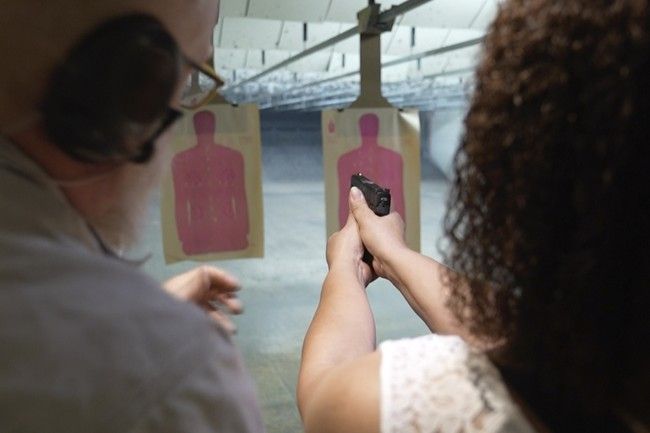
An Illinois shooting range is mixing firearms instruction with fitness classes to bring women through the door. The "Pistols and Pilates" course pairs basic pistol fundamentals with core strength work in a single session. It's a straightforward play: ranges need customers, and existing shooters aren't the only market out there. Women make up roughly 23 percent of concealed carry permit holders nationally, and ranges are finally noticing that demographic wants options beyond the standard CCW class. This range is betting that a hybrid approach removes barriers—the intimidation factor, the unfamiliarity, the feeling that gun ranges are male-dominated spaces.
Background and Context
Shooting ranges have been struggling with foot traffic for years. A 2023 NSSF survey found that 32 percent of women own firearms, up from 19 percent in 2005. But converting interest into actual range memberships and class enrollment? That's the hard part. Many ranges still operate like they did in 1995—concrete bays, fluorescent lights, zero hospitality. Women shooters have complained about lack of female instructors, uncomfortable facilities, and the general vibe that ranges tolerate women rather than welcome them. A few ranges have experimented with women-only classes and beginner-focused events. Adding a fitness angle is a new angle, though not entirely novel. Some CrossFit boxes have run similar hybrid events. The difference here is that a shooting range is doing it, which means they're thinking beyond just selling ammo and lane time.
What This Means for Gun Owners
If you carry or shoot regularly, this trend should look like opportunity, not threat. More people in the shooting community means bigger demand for ranges, instructors, and ammunition. It means factories work harder. It means gun stores stock more inventory. For female shooters specifically, this removes a real friction point. Women who might shoot recreationally or carry defensive have alternatives to standard tactical courses taught by ex-military guys in Molle vests. That's fine for some. Others want instruction that acknowledges they might have different strength baselines, ergonomic needs, or shooting positions that work better for their body. A hybrid fitness-and-shooting class handles that without being patronizing. The downside: these courses may cost more than straight pistol classes because instructors have to know both domains.
Industry Impact
Range operators are waking up to the fact that standard offerings leave money on the table. A successful "Pistols and Pilates" class generates revenue three ways: range fees, instruction fees, and facility rental time. It also locks in repeat customers. Women who show up for one class often come back for follow-ups or private lessons. Ammunition sales follow. The fitness angle appeals to gyms and wellness influencers too—potential partnership opportunities for cross-promotion. If this Illinois range sees success, expect copycat programs at ranges nationwide. Instruction becomes a sticking point: you need instructors who know shooting safety cold and can teach basic fitness programming without liability issues. That's a narrow skill set, which means ranges may hire consultants or partner with local trainers rather than develop it internally.
What to Watch Next
Monitor whether this Illinois range expands the program or doubles down on it. Success metrics matter: Are classes full? Are participants returning? Do they convert to paid memberships? The next 12 months will tell whether this is a genuine market opening or a novelty. Watch for similar programs at ranges in urban areas and states with high female shooter populations—California, Texas, Florida, New York. If larger range chains (like those owned by private equity) adopt the model, that's a signal the industry sees real ROI. Also worth watching: whether fitness instructors start getting certified in firearms safety to launch competing hybrid programs. That competition could push quality up and prices down, which helps shooters.
DownRange Bottom Line: Ranges need to stop assuming their customer base looks the same as it did 20 years ago. If a shooting range wants to survive the next decade, it needs to meet shooters where they are—and for some people, that's at the intersection of fitness and self-defense. Support ranges that innovate on customer experience. They're the ones who'll stay open when the market shifts.