Iron Sights Hold Ground as Red Dot Optics Surge in Handgun Market
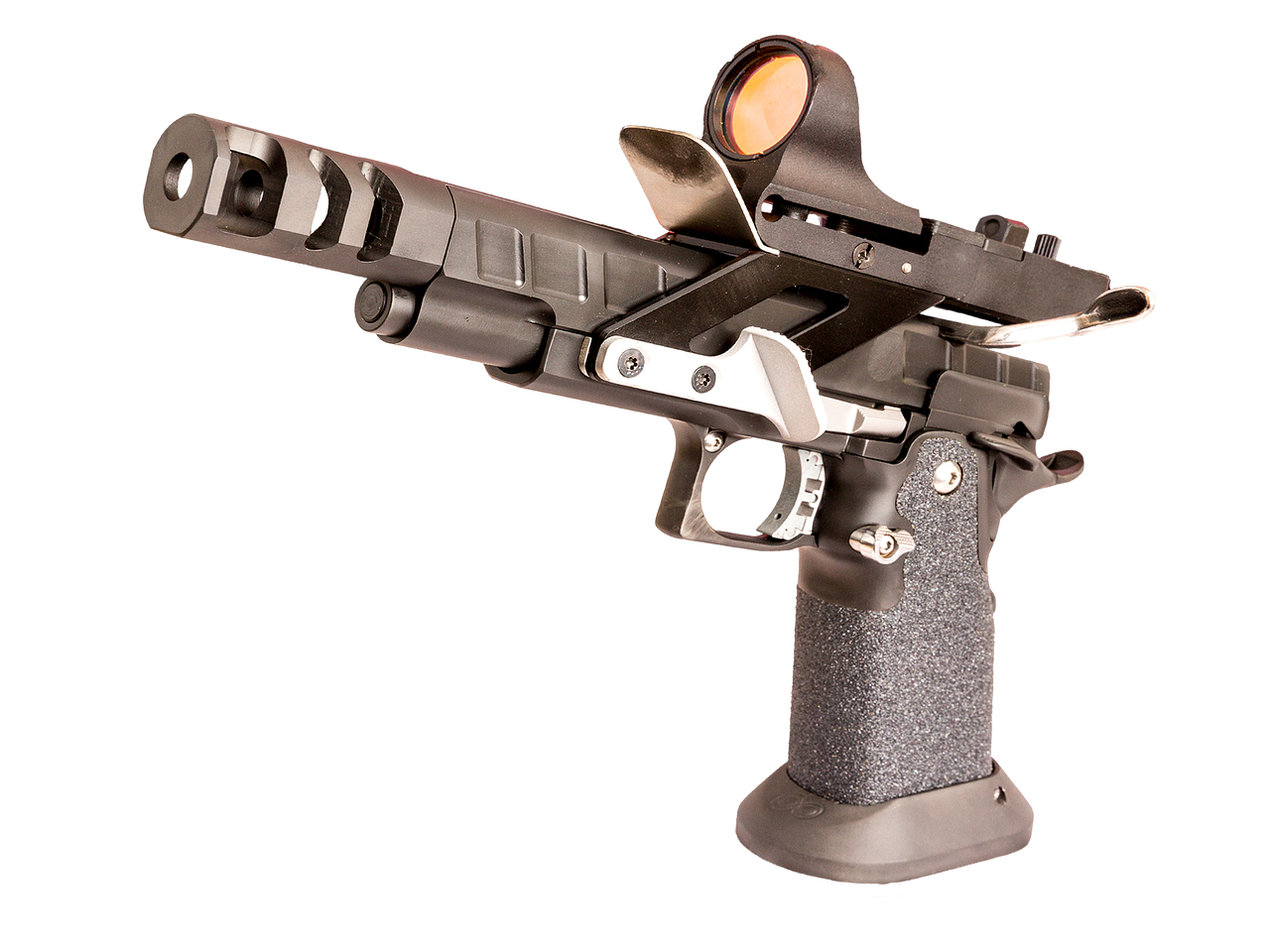
Red dot optics have captured the majority of new defensive handgun sales, but iron sights maintain their position in specific niches according to industry data. Manufacturers report that pocket pistols, revolvers, and minimalist carry setups still favor traditional iron sights over electronic optics. The shift reflects changing training standards and technology adoption rather than complete obsolescence of mechanical sighting systems. Glock, Smith & Wesson, and Sig Sauer continue producing models with both sight configurations to meet diverse market demands.
Background and Context
Pistol-mounted red dots emerged from competitive shooting sports before military and law enforcement adoption drove civilian interest. The technology gained traction after the U.S. Army's Modular Handgun System program selected the Sig P320 with optics capability in 2017. Civilian carry permits increased 304% between 2007 and 2021 according to the Crime Prevention Research Center, creating demand for purpose-built defensive handguns. Iron sights dominated for over a century due to reliability, cost, and simplicity. Modern red dot reliability has improved dramatically, but battery dependence and size constraints limit adoption in ultra-compact carry guns where iron sights excel.
What This Means for Gun Owners
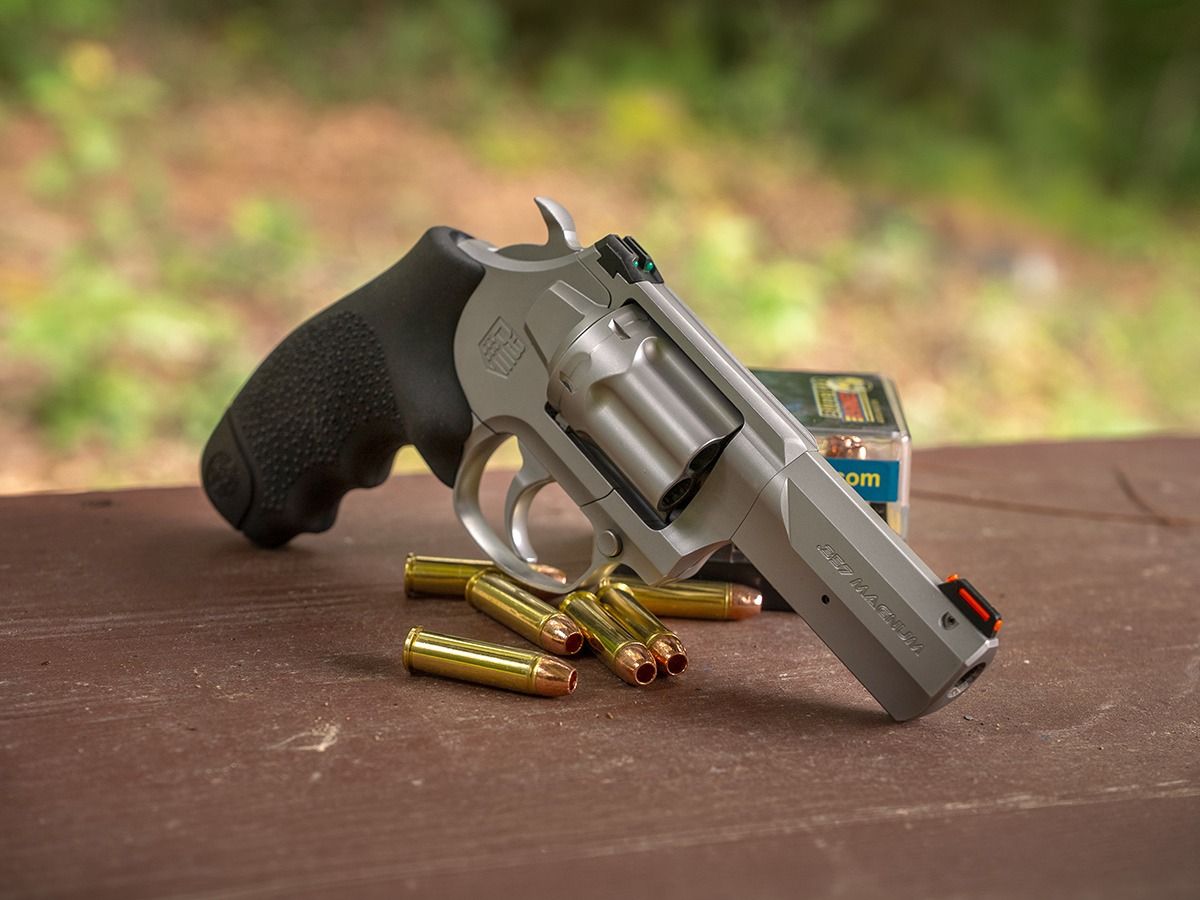
Pocket pistols under 4 inches retain iron sights due to size and weight constraints that make red dot mounting impractical. Ruger LCP MAX, Smith & Wesson Bodyguard, and similar micro-carry guns lack slide real estate for optics cuts. Revolvers maintain iron sight dominance since most lack flat-top designs needed for red dot mounting. Gun owners choosing between sight systems face tradeoffs: red dots offer faster target acquisition and better low-light performance, while iron sights provide zero battery dependence and lower profile carry. Training requirements differ significantly, with red dot shooters needing practice for battery failure scenarios and co-witnessing backup iron sights.
Industry Impact
Ameriglo, Trijicon, and XS Sight Systems report continued strong iron sight sales despite red dot growth. The National Rifle Association training curriculum still emphasizes iron sight fundamentals before optics instruction. Gun Owners of America has not taken a position on sight preferences, focusing instead on defending against optics-specific regulations. Manufacturers like Holosun and Trijicon design red dots with backup iron sight compatibility. Training facilities report approximately 60% of new students arrive with red dot-equipped handguns, but instructors maintain iron sight proficiency requirements.
What to Watch Next
The Shooting, Hunting and Outdoor Trade Show in January 2027 will showcase new micro red dot designs targeting pocket pistol applications. Aimpoint and Leupold have announced ultra-compact optics development for subcompact frames. Battery technology improvements may address the primary iron sight advantage of zero power dependence. State concealed carry training requirements vary on optics instruction, with Texas and Florida updating curricula to include red dot training alongside traditional iron sight instruction. Industry analysts predict iron sights will retain 25-30% market share in defensive handguns through 2030.
DownRange Bottom Line: Iron sights are not disappearing anytime soon. They remain the best choice for deep concealment guns and shooters who prioritize simplicity over technology. Smart gun owners should master both systems regardless of their primary carry setup.