Judge Blocks Union Pacific's End-Run Around Arkansas Gun Rights
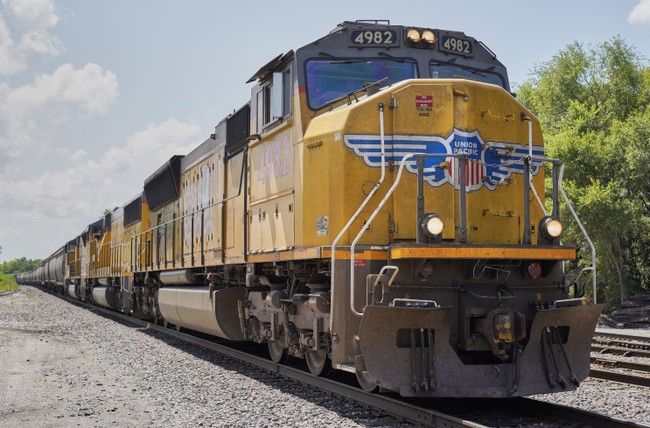
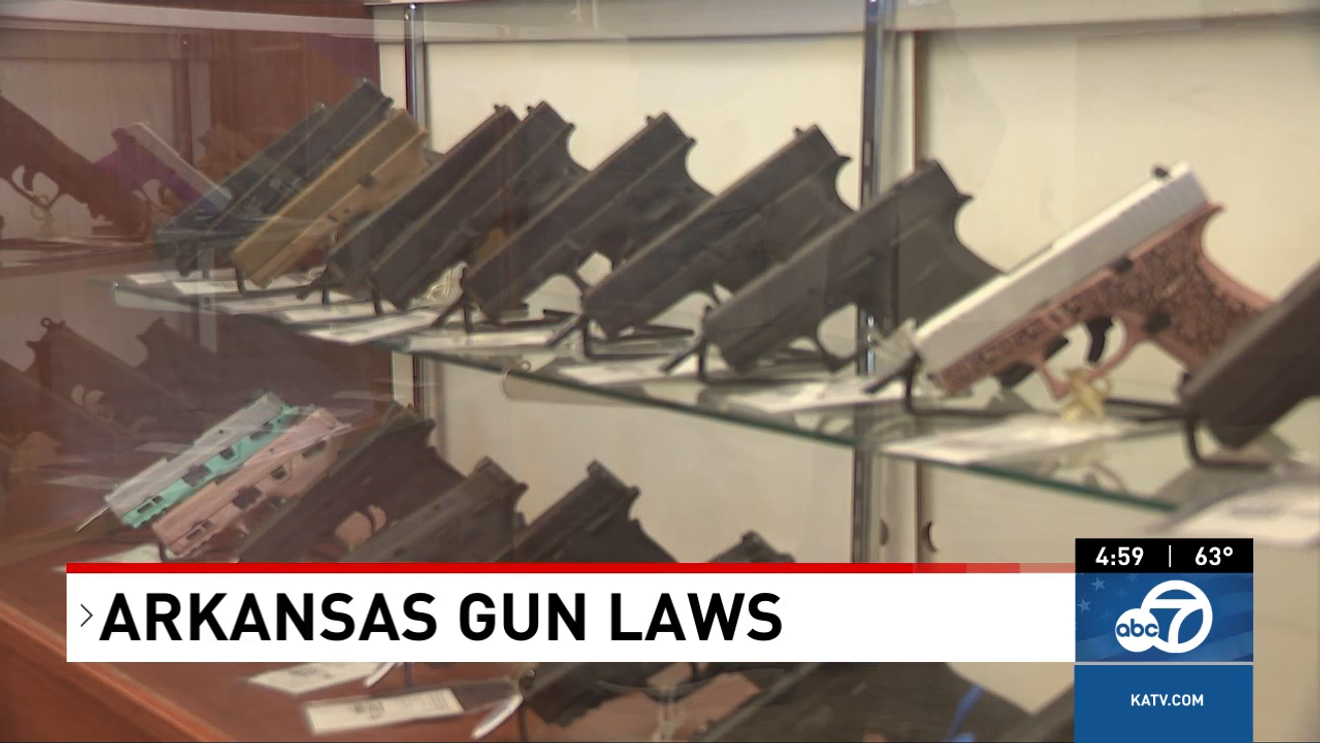
Union Pacific failed to use federal railroad law as a workaround to strip Arkansas employees of their statutory right to keep firearms locked in personal vehicles on company property. A federal judge rejected the railroad's argument that the Federal Railroad Safety Administration (FRSA) and a union labor agreement could override state law. Arkansas explicitly protects employees' ability to store firearms in locked vehicles while at work—a right the railroad attempted to eliminate through contractual and regulatory claims.
Key Details
Union Pacific's dual strategy: The railroad argued that federal railroad safety regulations preempted Arkansas law, and separately that a union contract clause gave the company authority to ban firearms from employee parking areas. The judge found neither argument held weight. Arkansas law Ark. Code § 5-2-622 provides explicit statutory protection for employees storing firearms in vehicles on employer property. The railroad attempted to use the Federal Railroad Safety Administration framework as a backdoor to override this protection, claiming workplace safety concerns justified the ban.
Why It Matters for Gun Owners
This ruling directly affects railroad workers in Arkansas and sets a precedent that employers cannot use federal regulatory agencies or union contracts to circumvent state Second Amendment protections. Arkansas workers now have judicial confirmation that their right to store firearms in locked vehicles at work stands—even against major corporate employers. For gun owners nationwide, this matters because it demonstrates courts are willing to block corporate attempts to work around state law through federal preemption claims. Other states with similar vehicle storage protections should note that employers cannot simply assert OSHA, DOT, or other federal authority to override those rights. If you work for Union Pacific or a similar employer in a pro-gun state, document your storage practices and know your state statute protects you.
DownRange Analysis
This decision follows the Bruen framework by recognizing that state legislatures—not federal agencies and not employers—set the terms for Second Amendment exercise. Union Pacific's loss signals that federal railroad law, despite its broad scope, cannot be weaponized to strip constitutional rights already defined by state statute. The ruling also rejects the idea that labor agreements can override individual constitutional protections, a critical distinction as more large employers attempt contractual bans on lawful off-duty conduct. Gun owners should expect more corporate challenges like this as companies test whether federal regulatory authority or union contracts can bypass state protections. Courts are pushing back. For now, Arkansas workers have clear judicial backing.