Hunting Free-Range Kudu Strips Away Comfort and Exposes Real Skill Gaps
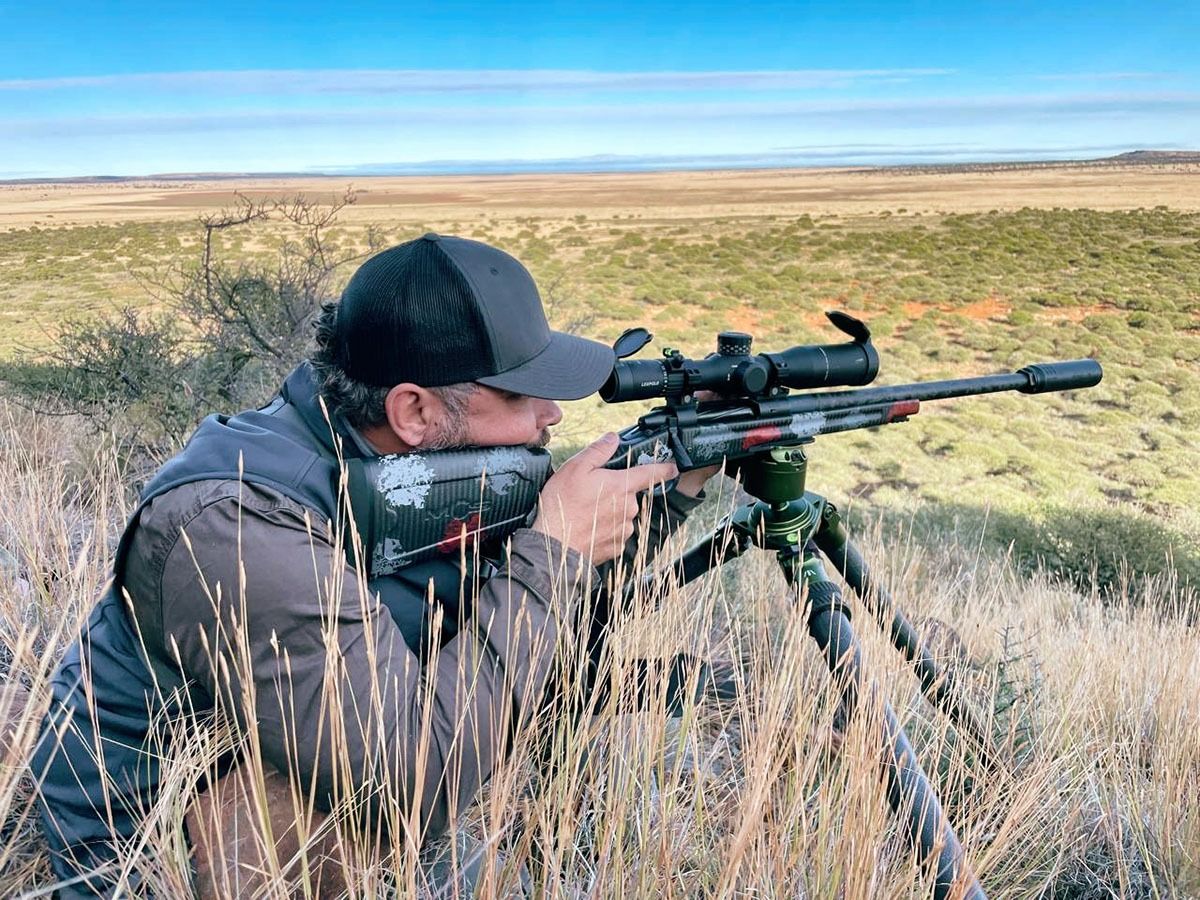
Pursuing kudu across open veldt in southern Africa forces hunters to confront hard truths about their marksmanship, gear selection, and mental toughness. Unlike controlled hunting scenarios or range sessions, free-range kudu on varied terrain demand split-second decisions under pressure, often at extended distances, with no second chances. The animals' unpredictability and the landscape's unforgiving nature quickly separate preparation from pretense.
Key Details
Terrain and Distance Challenges: The open veldt offers minimal cover and requires hunters to stalk at distances that separate centerfire rifles by caliber performance. Wind reading becomes critical; misjudgment costs the entire hunt. Kudu spook easily and move fast, turning a 300-yard opportunity into a gone animal in seconds.
Mental and Physical Demands: Extended hunts across rough ground test fitness, focus, and decision-making under fatigue. Hunters face real consequences for poor planning—missed opportunities, wasted ammunition, or worse, wounded animals that escape into thick brush.
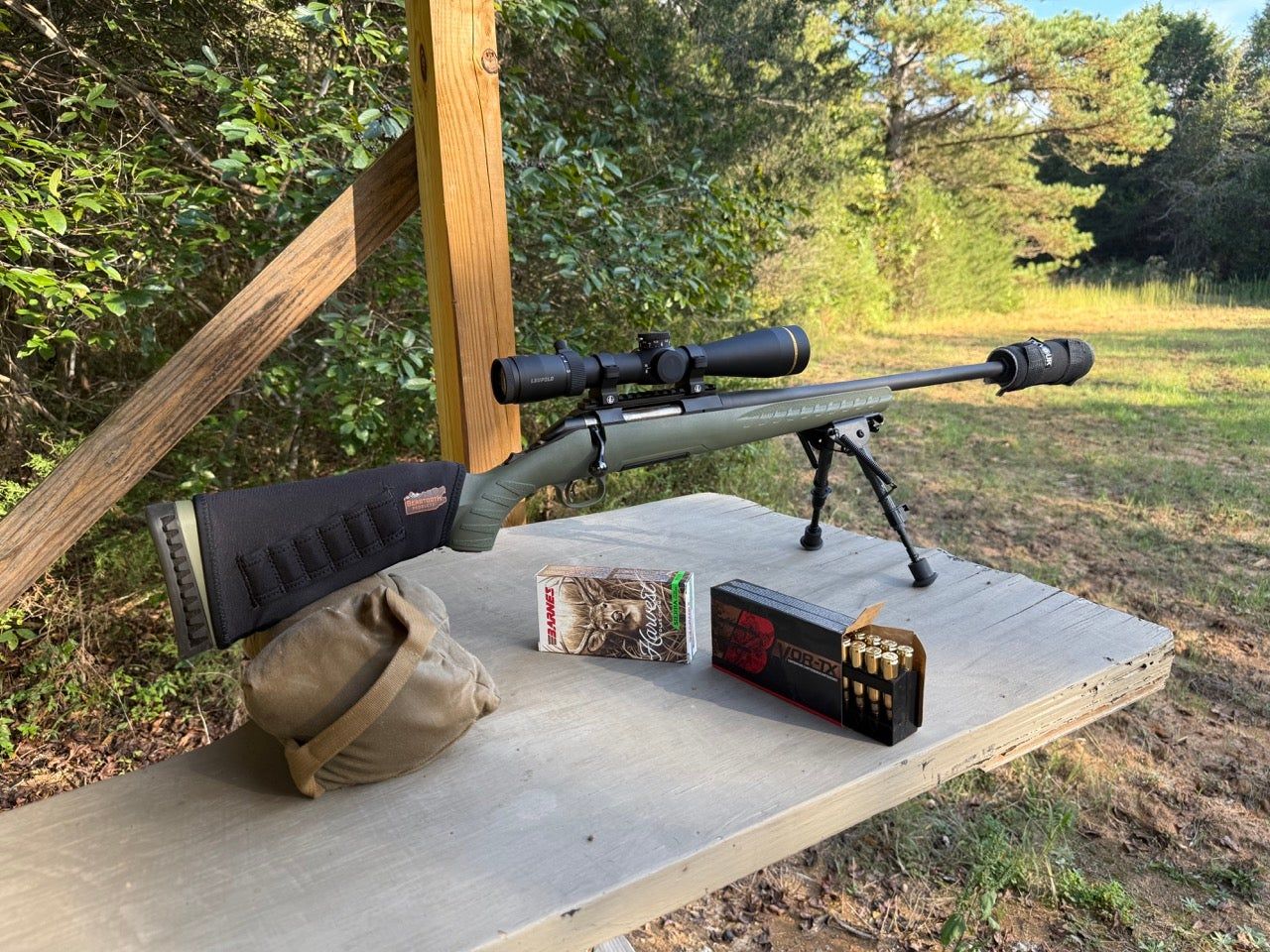
Gear Failures Surface Immediately: Rifles that shoot fine at 100 yards on a bench may fail under field conditions. Optics fog, bipods slip, ammunition performance varies with temperature. There is no range master, no do-over, no mulligan.
Why It Matters for Gun Owners
Kudu hunting embodies a principle every serious shooter should embrace: field conditions destroy assumptions made in comfort. A hunter carrying a rifle daily or competing in matches faces similar exposure. The veldt teaches what matters: consistent marksmanship beyond 100 yards, reliable gear that functions under stress, and the mental discipline to execute when it counts. American hunters can apply these lessons domestically—long-range elk hunts, predator control across open country, or precision rifle competitions all demand the same hardening. The kudu hunt proves that owning quality gear means nothing if you haven't tested it under real pressure. Most shooters haven't. That's the gap the veldt reveals.
DownRange Analysis
The kudu hunt is a referendum on self-honesty. Shooters invest thousands in rifles and optics, then never shoot beyond 200 yards in actual field conditions. The veldt eliminates that fiction. A hunter there cannot blame the rifle or blame luck—the animal moves, you shoot or you don't. Pressure reveals whether training runs deep or stays surface-level. For American gun owners, this is permission to stop practicing only what feels comfortable. Shoot at distance. Hunt challenging game. Compete in matches that matter. Test your gear in real weather and terrain. The kudu doesn't care about your range time. Neither do elk, hogs, or real-world scenarios. The veldt is unforgiving because it's honest.