CCW Classes Beat Legal Minimums—Here's Why Smart Carriers Enroll
Concealed carry permits satisfy state law. Concealed carry training satisfies you. The distinction matters. Whether your state enforces constitutional carry or mandates a permit course, taking a dedicated CCW class remains one of the highest-return investments a responsible gun owner makes. These courses teach what permits never require: shoot-house judgment calls, legal liability awareness, and the muscle memory that separates prepared carriers from licensed ones.
Key Details
- Concealed carry classes address the gap between legal permission and operational readiness.
- Instruction covers decision-making frameworks, not just marksmanship or legal statutes.
- Courses teach situational awareness, de-escalation, and post-incident response—none of which appear on permit applications.
- Even constitutional carry states benefit from formal training, since state licensing remains optional in most jurisdictions.
Why It Matters for Gun Owners
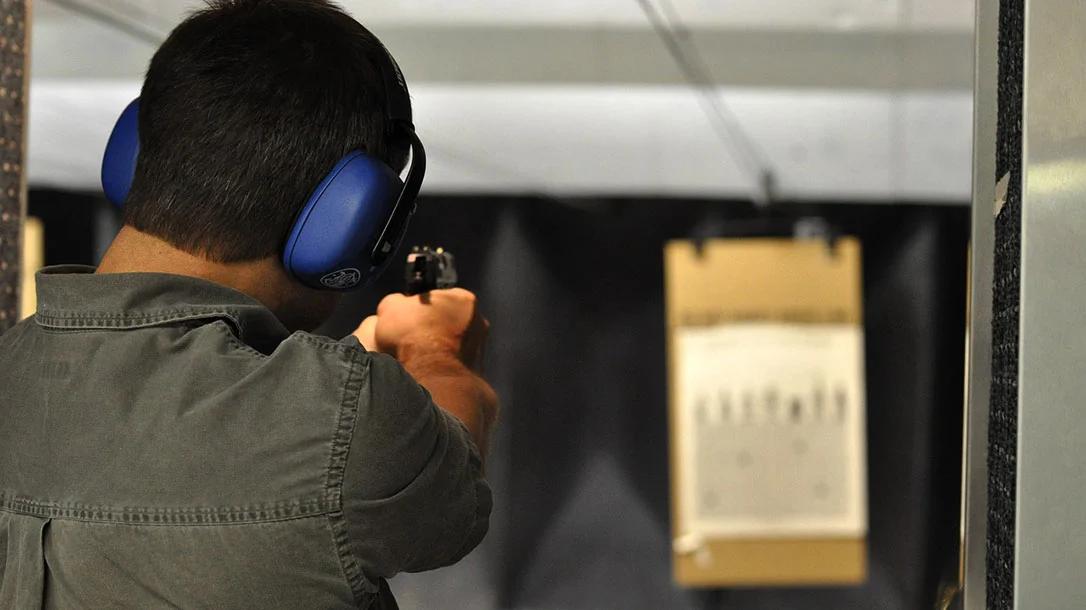
A permit proves you passed a background check. A class proves you won't panic when your carry gun leaves the holster. Most permit courses run 4–8 hours and cover state-specific law, but they skim defensive shooting. CCW-focused instruction teaches the hard questions: When do you draw? What's your legal exposure after? How do you move with a loaded gun in a grocery store without creating a negligent discharge risk? Carriers in permit states already take classes to satisfy requirements; constitutional carry owners skip them and miss the actual education. Gun owners in Texas, Florida, and Arizona benefit from this training regardless of permit status. Instructors teach liability, witness statements, and de-escalation tactics that no statute book covers but every defensive shooting lawsuit hinges on.
DownRange Analysis
The law sets the floor. Training sets the ceiling. A responsible CCW holder knows the difference. Permit classes check compliance; dedicated CCW courses check competence. The gap exists in every state. Courses that simulate threat recognition, shot placement under stress, and judgment calls in gray zones teach what ranges can't. These classes also build the decision-making discipline that separates a gun owner from a defensive shooter. Any carrier serious about the weight of that trigger pull should treat CCW instruction as mandatory, not optional—regardless of whether their state does.