28,000 Violent Criminals Missing From South Africa's Parole System
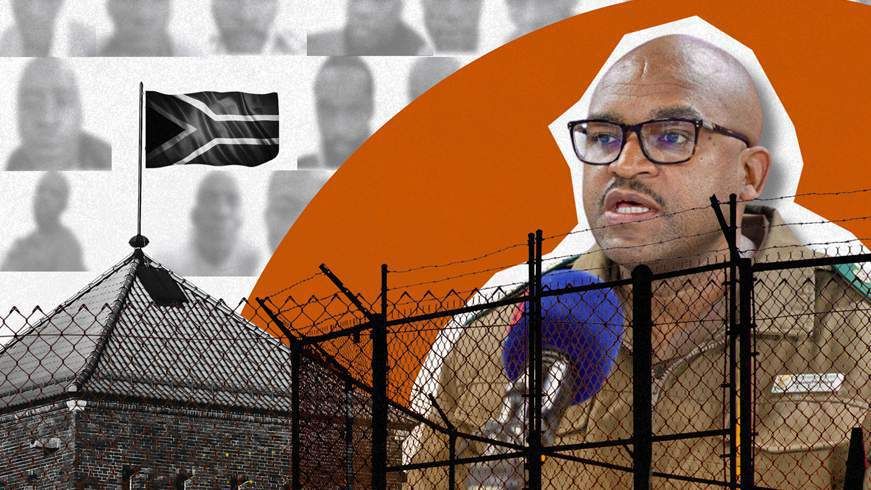
Nearly 28,000 parolees have vanished from South Africa's correctional system with zero tracking capability. The Department of Correctional Services lost control of convicted murderers, rapists, and armed robbers released under supervised conditions. An investigative report confirmed in May 2026 that the state has abandoned efforts to locate these criminals.
The Scale of Collapse
Convicted killers and armed robbers simply walked away from parole. Some have been missing for years. Officials stopped searching long ago. The system that was supposed to monitor dangerous offenders has effectively surrendered—no database, no enforcement, no consequences for disappearing.
This represents institutional failure at the most basic level. A corrections department cannot function if it cannot account for the people it released. Yet South Africa's system has failed catastrophically.
What This Means for Armed Citizens
When government loses control of convicted violent offenders, responsibility for personal safety shifts entirely to the individual. Citizens cannot rely on state institutions to track or apprehend murderers and armed robbers in their communities. This is the hard reality that armed self-defense advocates have always understood: you are your first responder.
For law-abiding gun owners, this situation underscores a critical principle. Carrying daily is not paranoia when thousands of violent criminals roam freely with state knowledge that they're missing but state inability to act. The institutional failure is complete—corrections officials cannot locate them, cannot arrest them, cannot force them back into custody.
When 28,000 violent offenders are unaccounted for in a population of 60 million, the statistical probability of encountering one increases substantially. Carrying a firearm capable of stopping threats becomes a legitimate personal security measure, not an overreaction.
The Enforcement Vacuum
Armed robbers require specific preparation. They're trained—by experience—to disarm victims and use weapons against them. They operate in groups. They target specific locations based on vulnerability. A gun owner's response capability must match these threats.
The fact that South Africa's state apparatus cannot locate these criminals means armed citizens must assume they're in their neighborhoods, shopping areas, and travel routes. Situational awareness becomes essential. Carry position, draw speed, and shot placement take on new importance when violent criminals operate without state constraints.
DownRange Analysis
This is institutional collapse with direct implications for armed citizens worldwide. South Africa's failure to track parolees reveals what happens when government systems break down: responsibility for survival becomes personal.
For daily carriers, the lesson is straightforward. You cannot depend on law enforcement to prevent encounters with violent criminals. The best you can expect from police is response time measured in minutes—after a crime occurs. By that point, a threat has already made decisions and taken actions against you.
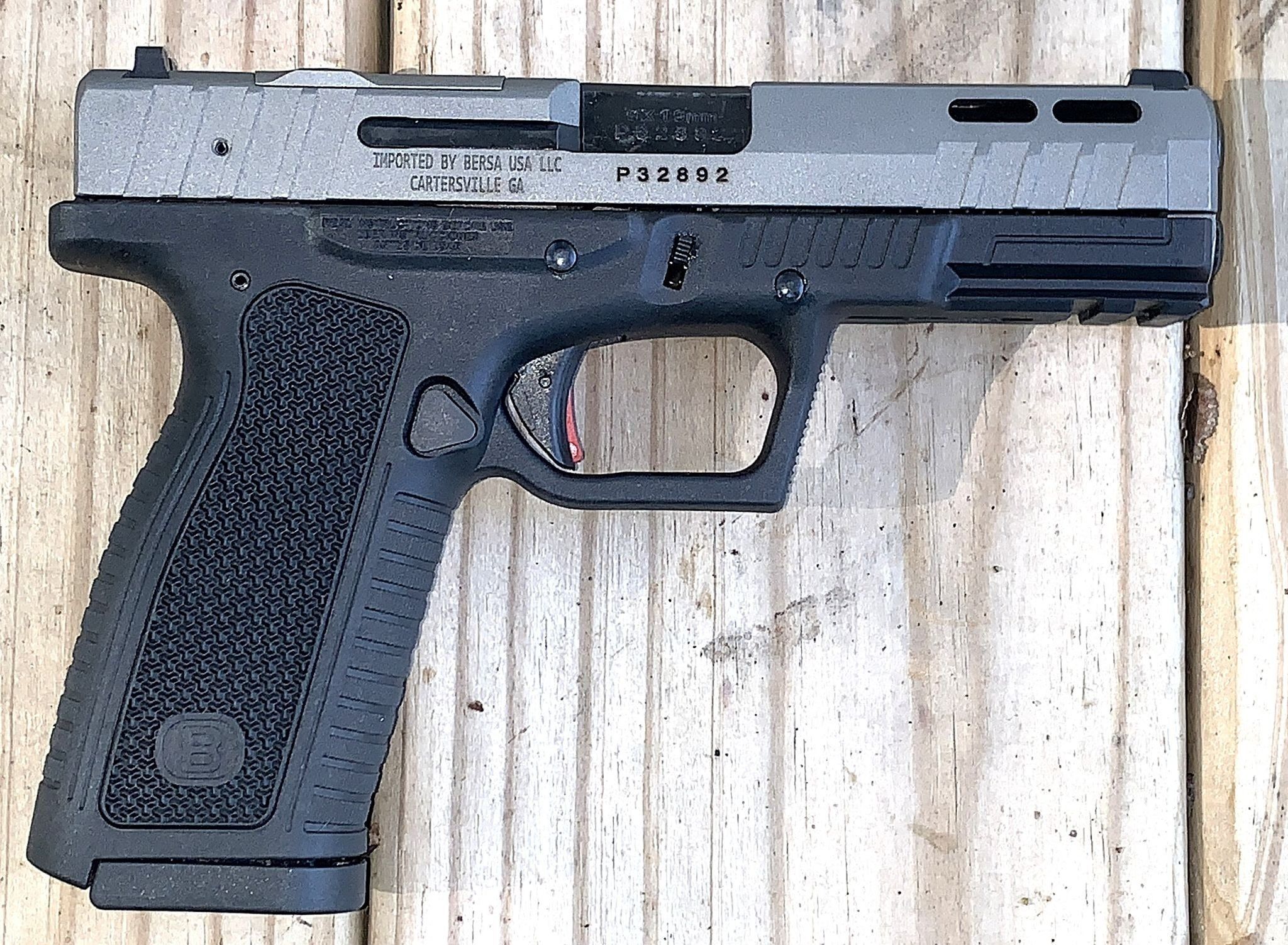
A firearm on your belt is the only security measure entirely within your control. Ammunition in the chamber, proper holster, trained draw, and honest assessment of target engagement—these are the tools that function when government systems fail.
28,000 missing violent offenders is not a statistic. It's a message: prepare yourself. Carry daily. Train regularly. Because when the state loses track of thousands of murderers and armed robbers, the only person monitoring your safety is you.