NSSF Files Federal Lawsuit Against Connecticut Over Glock Prohibition
The National Shooting Sports Foundation is taking Connecticut to federal court to overturn a state law that bans Glock pistols and similar handguns. Connecticut's statute prohibits firearms with removable components that could theoretically be converted to automatic operation—a definition broad enough to affect duty guns and carry pistols used nationwide.
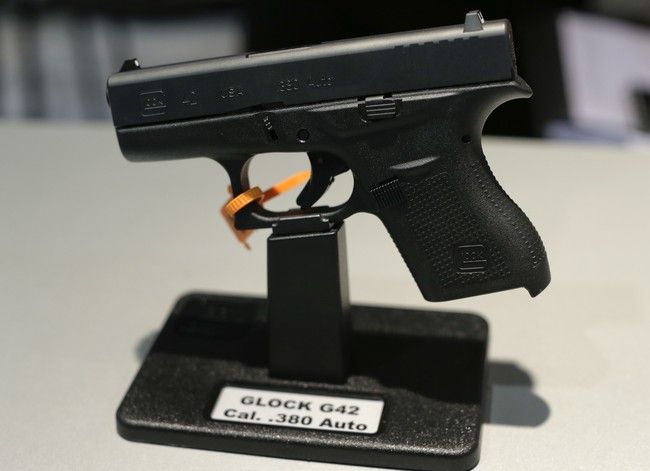
Connecticut's prohibition hinges on conversion potential, not actual design. The state law targets pistols with parts that owners could theoretically modify to fire automatically, even though standard Glock pistols have no inherent automatic capability. A standard Glock 19, the most common carry gun in America, falls under this ban. So do Sig Sauer P226s, Smith & Wesson M&Ps, and other widely-issued law enforcement sidearms.
The NSSF's legal challenge questions whether states can ban firearm models based on what users might do rather than what the gun actually does. Connecticut already has laws prohibiting automatic weapons and illegal conversion kits. The new statute creates a secondary tier of prohibition targeting specific semiautomatic designs.
This matters because Connecticut isn't alone. New York, California, and New Jersey have similar statutes or are considering them. If Connecticut's law survives court challenge, expect other blue states to follow. A carry gun legal in your state today could become prohibited tomorrow under this precedent.
The timing is significant. Connecticut passed its conversion-capable ban in 2019, following a shooting incident. The law took effect in 2021. The NSSF lawsuit is the first major federal challenge to this specific category of firearm restriction. The case will likely hinge on Second Amendment precedent from DC v. Heller and New York State Rifle & Pistol Association v. Bruen, both of which addressed what firearms are protected.
For daily carriers, the implications are direct. If states can prohibit Glocks based on theoretical conversion capability, they can theoretically ban any semiautomatic pistol with removable parts—which includes essentially every modern handgun. That leaves revolvers as the only legal option under an extreme interpretation of conversion risk.
Connecticut's law creates practical compliance headaches too. Police departments in other states that send officers to Connecticut for training face legal jeopardy carrying standard-issue duty weapons. Residents traveling to Connecticut with otherwise legal handguns commit a felony under the statute. Private sales and transfers of affected models are prohibited.
The NSSF argument focuses on specificity: if Connecticut wants to ban automatic weapons, current federal law and existing state bans already accomplish that. Banning semiautomatic models based on what parts could be swapped in requires proving an unmodified gun is inherently capable of automatic fire—which Glocks are not. The suit likely argues this violates constitutional protections against vague statutes and infringes on Second Amendment rights for lawful carry.
The outcome matters beyond Connecticut's borders. Blue states are testing bans on specific models, extended magazines, and features. They're banking on splitting Second Amendment protections by firearm type. If Connecticut's conversion-capability ban survives, expect similar legislation targeting popular carry guns in states where politicians face less voter resistance to gun restrictions.
The federal courts will ultimately decide whether states can prohibit firearms based on modification potential rather than inherent function. Until then, gun owners carrying in or traveling through Connecticut face real legal risk with guns legal everywhere else.