Coast Guard Fixes Rifle Fundamentals in RAMP Training Program
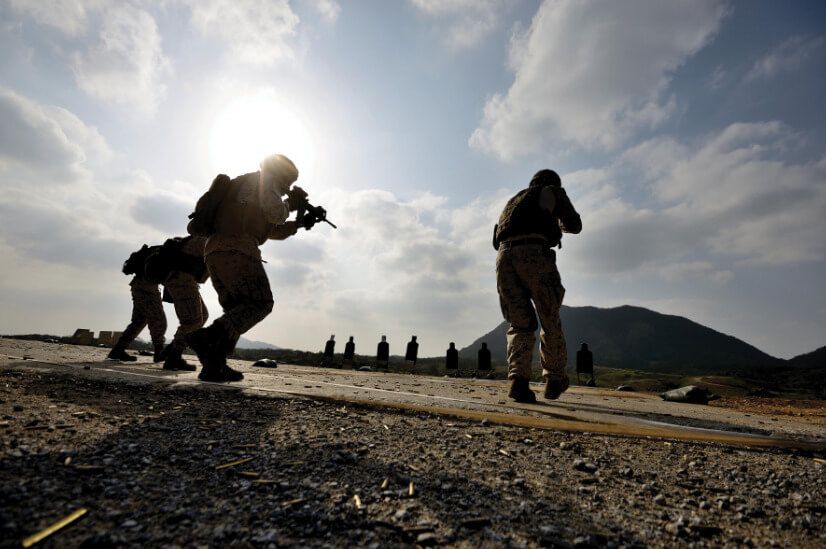
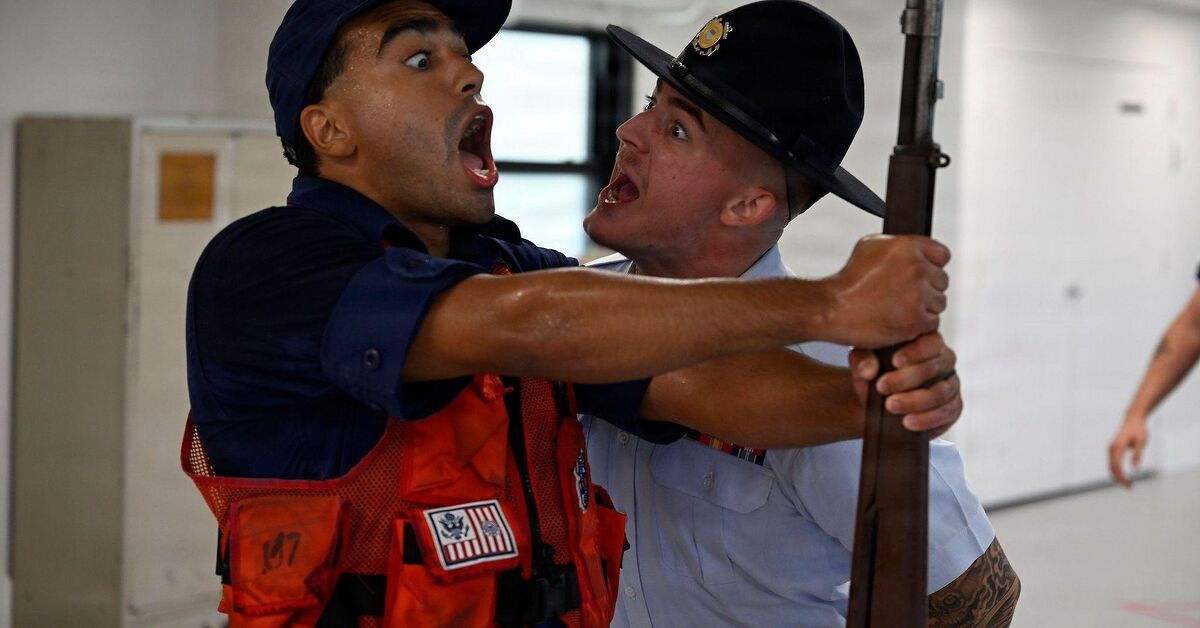
The U.S. Coast Guard runs a structured remedial training program called RAMP—Recruit Adjustment and Motivation Program—specifically designed to correct rifle handling deficiencies before recruits complete basic training. During weekly RAMP sessions, company commanders directly instruct recruits on proper rifle grip, sight picture, and shooting mechanics. The program acknowledges that not all recruits arrive at training with prior shooting experience or foundational rifle skills.
Key Details
- RAMP sessions run weekly and focus on corrective instruction in rifle fundamentals
- Company commanders lead training, walking individual recruits through proper rifle handling techniques
- The program targets recruits who lack baseline firearms competency before they advance
- Instruction covers grip, stance, and firing position mechanics
Why It Matters for Gun Owners
Military training standards reveal what baseline rifle competency actually looks like. The Coast Guard's recognition that recruits need remedial instruction—and that this is normal, not exceptional—underscores how few Americans arrive at formal firearms training with prior experience. For civilian shooters, this suggests the value of structured, iterative instruction in fundamentals. If you're building shooting skills or mentoring new shooters, RAMP's weekly cadence and focus on grip and mechanics provide a tested template. The program also demonstrates that correcting poor habits early beats letting them calcify over months of shooting.
DownRange Analysis
RAMP exists because the military recognizes that shooting ability isn't intuitive—it requires deliberate instruction and repetition. Most civilian gun owners never receive this level of structured feedback. If you carry or compete, regular professional instruction should mirror RAMP's approach: identify specific weaknesses, drill fundamentals, repeat. The Coast Guard's model also shows that remedial training works best when it's normalized and integrated into the training pipeline, not treated as failure. Gun owners serious about actual competency should seek similar ongoing instruction rather than assuming range time alone builds skills.