Three CQB Drills Every Concealed Carry Owner Must Master Now
Concealed carry owners often train at distance. But real defensive encounters frequently happen at arm's length. Close Quarters Battle (CQB) handgun training bridges that gap with drills emphasizing speed, accuracy, and immediate action when space vanishes. Gun owners serious about self-defense cannot skip this skillset.
Key Details
CQB handgun training focuses on three core areas: rapid target acquisition at close range, decision-making under stress, and weapon handling when you cannot create distance. These scenarios demand muscle memory built through deliberate practice, not occasional range visits. Speed and accuracy compound when trained together—missing under pressure costs lives. Decisive action means committing to a decision without hesitation once the threat is identified.
Why It Matters for Gun Owners
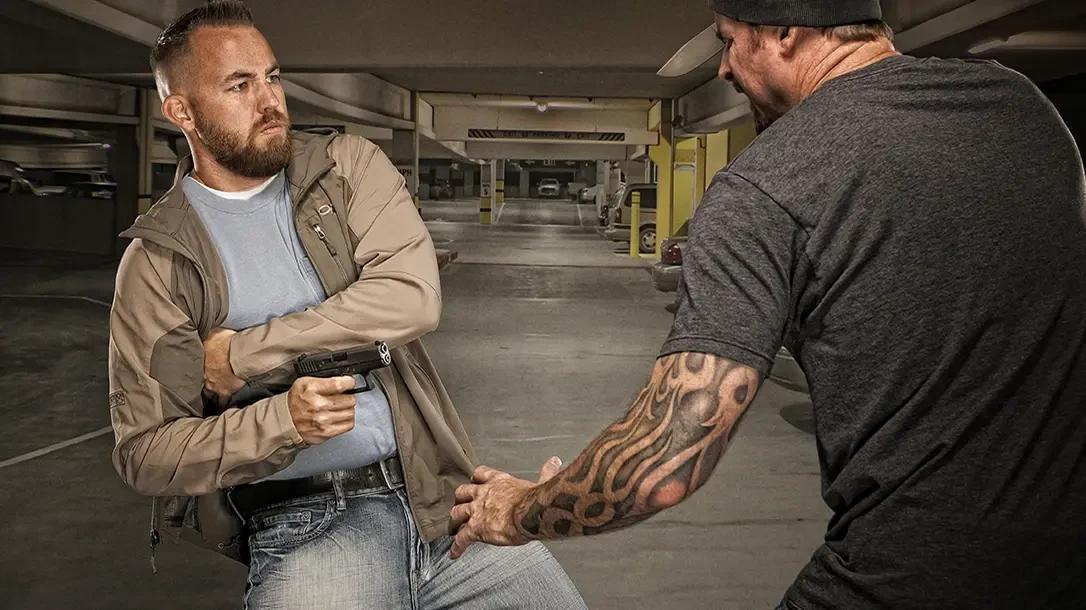
Most concealed carry training assumes the threat appears at 7-10 yards. Reality operates differently. Parking lots, hallways, vehicles, and domestic spaces compress distance rapidly. A gun owner who trains only at 15 yards will struggle with the mechanics—grip transitions, sight picture management, and trigger control—when someone closes distance in seconds. CQB drills train your hands and mind for the compressed timeline. This directly impacts your ability to stop a threat when escape or verbal de-escalation fails. Carry permit holders in high-crime areas benefit most, but every responsible gun owner should run these drills quarterly.
DownRange Analysis
CQB training separates prepared carry owners from those who own guns without owning competence. The legal standard for self-defense shooting remains unchanged: you must reasonably believe deadly force was necessary. But juries evaluate whether your actions were competent and justified. A shooter who demonstrates training—through documented drills, instructor certifications, or competition scores—builds credibility. Conversely, untrained shooting looks reckless in court. Beyond law: muscle memory built in CQB drills activates under adrenaline. Your conscious mind shuts down. Only trained responses remain. Start with a qualified instructor, not YouTube. Your carry gun's ergonomics matter—test your current platform before committing to expensive training.