Trump Orders DOJ to Drop NFA Appeal, Handing Gun Owners Major Court Win
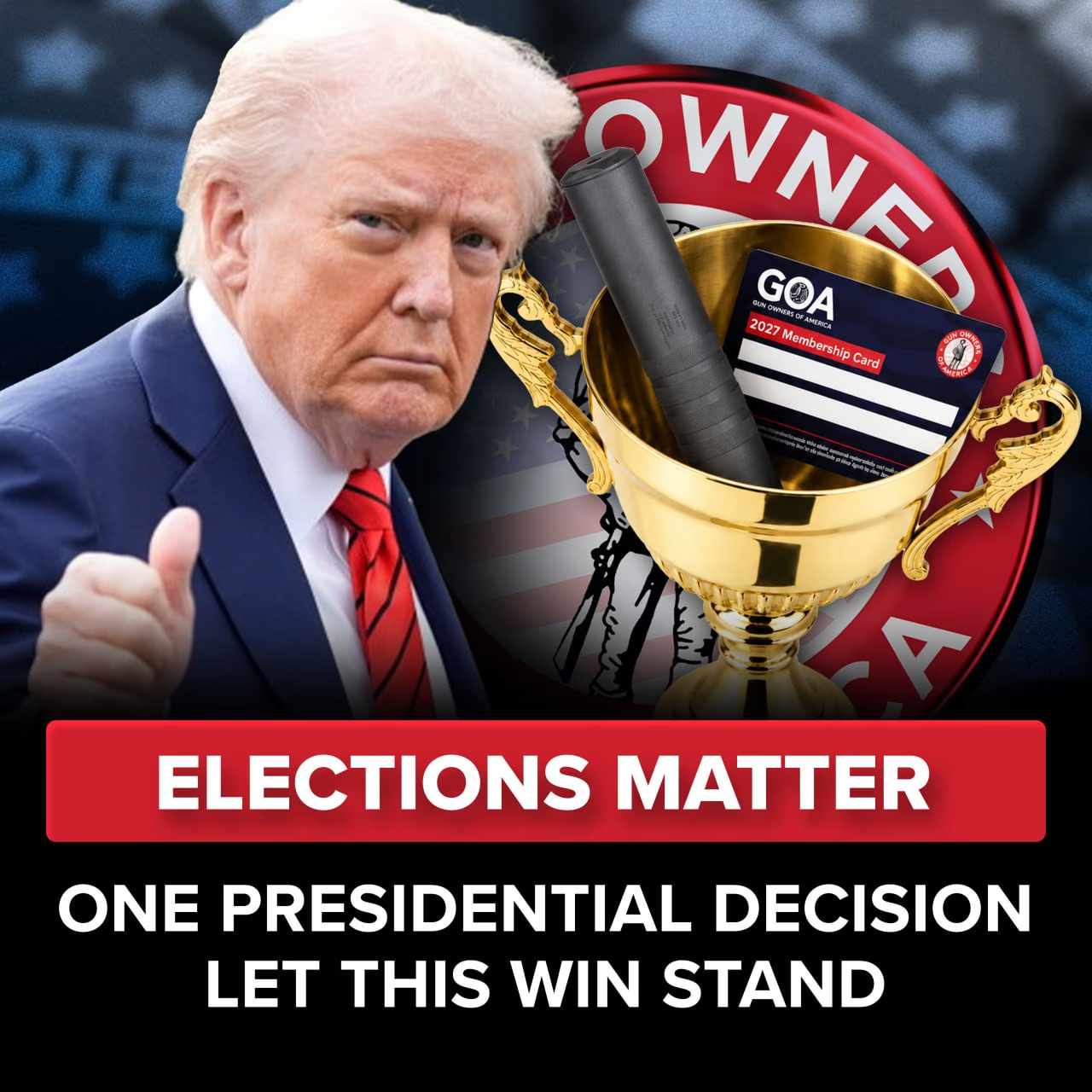
President Trump directed the Department of Justice to abandon its appeal of Gun Owners of America's landmark National Firearms Act victory. The move immediately strengthens Second Amendment protections for millions of gun owners nationwide. However, the Bureau of Alcohol, Tobacco, Firearms and Explosives has not yet issued guidance clarifying how this ruling affects Federal Firearms Licensees and individual carriers moving forward.
The original court decision struck down key NFA provisions that had restricted certain firearm modifications and accessories for decades. Trump's order prevents federal attorneys from fighting that ruling in appellate court. This represents a seismic shift in how the executive branch treats gun rights litigation.
Gun Owners of America won this case on the merits. The court found that existing NFA regulations violated the Second Amendment as written in Bruen. Rather than defend those regulations before a higher court, Trump chose to accept the lower court's decision as final.
Why It Matters for Gun Owners
For daily carriers and shooting enthusiasts, this victory means your rights just expanded. The ruling strips away federal restrictions that previously required tax stamps, registration, and months-long approval delays for certain accessories and modifications. You no longer face the same regulatory barriers your father's generation did.
FFLs now operate in legal limbo. Without ATF guidance, dealers don't know which products they can sell without NFA compliance. Some manufacturers have already begun producing items previously banned or restricted under NFA rules. Other dealers wait for official direction before changing their inventory or sales practices.
The gap between law and implementation creates real problems. A gun owner might legally purchase an item under the court ruling, only to find their FFL won't sell it. Another might buy something today that faces regulatory questions tomorrow. Until the ATF issues clear guidance, uncertainty persists in the marketplace.
This victory also signals how the Trump administration will handle gun rights cases going forward. Rather than appeal every unfavorable ruling, the administration accepts court decisions that expand Second Amendment protections. That's a dramatic departure from the previous four years of federal litigation strategy.
Background
The National Firearms Act of 1934 imposed federal taxes and registration requirements on certain weapons, including short-barreled rifles, short-barreled shotguns, and sound suppressors. For 90 years, these restrictions remained largely unchallenged in court. Gun owners paid $200 tax stamps and waited months for approval to own common accessories.
The Supreme Court's 2022 decision in New York State Rifle & Pistol Association v. Bruen changed everything. That ruling established a new standard for evaluating gun restrictions: they must be consistent with the Nation's historical tradition of firearm regulation. Many existing federal restrictions failed this test.
Gun Owners of America challenged NFA provisions under the Bruen framework. The lower court agreed that certain NFA restrictions violated the Second Amendment. The DOJ typically appeals such losses. Trump's decision to drop the appeal was unexpected and decisive.
DownRange Bottom Line
Gun owners won a major court victory, but the practical effects remain murky. Until the ATF issues clear implementation guidance, FFLs and manufacturers face uncertainty. Contact your representatives and demand the ATF clarify which NFA restrictions are now void. The ruling protects your rights on paper—enforcement clarity protects them in practice.