Really Right Stuff Cuts Tripod Prices With New Core Line Launch
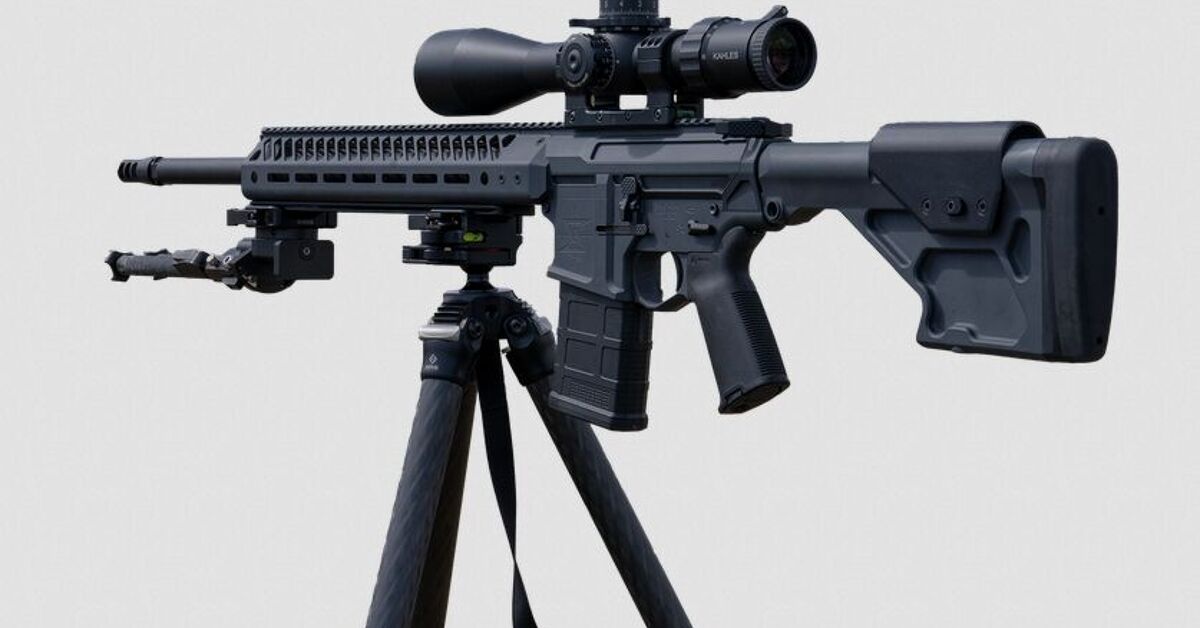
Really Right Stuff released two new carbon fiber tripods under its Core Line banner: the Benchmark and Benchmark Inverted. The company, which has dominated the precision tripod market for 30 years, built the Core Line specifically to undercut its own flagship TBA series while holding engineering standards steady. RRS stripped complexity and material choices rather than cutting corners on stability or repeatability. Shooters using precision rifles, PRS competitors, and long-range hunters have long considered RRS tripods the industry standard for holding zero between shots and maintaining repeatable aim points. The price barrier, however, kept most gun owners in the market for budget alternatives. The Core Line closes that gap without asking users to compromise on the fundamentals that made RRS legendary.
Background and Context
Precision shooting has evolved sharply since Ruger v. Creppy and District of Columbia v. Heller (2008) legitimized individual firearm ownership for self-defense and sport. Long-range shooting—particularly Precision Rifle Series (PRS) competitions—has exploded as a discipline, with match fees and equipment costs climbing steadily. A quality tripod is no longer optional for serious shooters; it's mandatory for consistency. Really Right Stuff built its reputation on tripods that hold point-of-aim to tolerances measured in tenths of an inch across hundreds of yards. The TBA series, which runs $800 to $1,500 depending on configuration, became the de facto choice among competitive shooters and military/law enforcement precision teams. Consumer demand for RRS quality at lower price points has been constant. The Core Line represents RRS acknowledging that market pressure and responding with a second-tier product line rather than watching competitors capture price-sensitive buyers.
What This Means for Gun Owners
The Benchmark and Benchmark Inverted tripods lower the entry cost for shooters who need stability without committing $1,200 to a complete TBA system. Both models use carbon fiber for weight savings—critical for field shooters and hunters who pack gear long distances. The Inverted model flips the leg geometry, allowing shooters to shoot from lower positions without reducing maximum height, a direct response to PRS rulebooks and tactical shooting scenarios. Shooters in all 50 states benefit equally; tripod restrictions don't exist at federal or state level. The actual price point for the Core Line has not been publicly disclosed as of publication, but RRS has signaled these models undercut TBA pricing by a meaningful margin—likely in the $400-$700 range. That opens precision tripod ownership to shooters who previously chose alternatives from brands like Primos, Bog Gear, or Atlas Bipods. For PRS competitors, hunters chasing long-range accuracy, and precision rifle shooters building repeatable systems, the Core Line removes a major financial hurdle.
Industry Impact
Really Right Stuff's move signals confidence in market segmentation: there's room for both premium and accessible tiers under one brand. Competitors in the precision tripod space—particularly Primos and Atlas Bipods—now face pressure to match quality or drop prices further. The PRS community, which drives much of the precision rifle market, will likely adopt Core Line tripods quickly if durability proves solid over multiple match seasons. Retailers stocking RRS gear gain a higher-volume entry point; the TBA line remains the professional-grade choice, but Core Line models can move volume among shooters upgrading from budget systems. Manufacturers in the broader precision rifle ecosystem—stock makers, barrel sellers, scope manufacturers—benefit indirectly from lower barriers to entry into serious shooting. No major Second Amendment advocacy groups have commented on the product launch, as tripods fall outside policy and regulatory debates.
What to Watch Next
The Benchmark and Benchmark Inverted models are shipping now, but performance data takes time. Watch Precision Rifle Series match reports and YouTube reviews over the next 6-12 months to see whether Core Line tripods show durability issues or if they perform identically to TBA models in competition. Really Right Stuff has not announced additional Core Line products, but the template suggests camera tripods and specialized configurations (such as leveling heads or quick-detach mounts) could follow. Pricing transparency remains limited; RRS typically allows dealers to set retail prices within a range rather than publishing MSRPs. Check retailers like Brownells, MidwayUSA, and specialized optics shops for actual street prices and bundle deals. If Core Line models prove reliable, expect competitors to announce lower-cost alternatives or feature-matched products within 12-18 months.
DownRange Bottom Line: If you've wanted a Really Right Stuff tripod but balked at the five-figure system cost, the Core Line is worth testing. Carbon fiber stability at a fraction of TBA pricing means serious shooters can finally own precision gear without financing it. Wait for field reports from PRS shooters and hunters over the summer season—if the Core Line holds zero and survives rough use, it solves a real problem. Grab one before demand pushes prices back up.