SAF Sues to Block California's Expanded Glock Ban
The Second Amendment Foundation (SAF) filed a motion for preliminary injunction in Renna v. Bonta, directly challenging California Assembly Bill 1127, which expanded the state's ban on semi-automatic handguns to include Glock pistols. The lawsuit also targets California's Handgun Roster—the state's existing roster of approved firearms for civilian purchase. SAF filed the motion in August 2026 after AB 1127 passed the California legislature in October 2025.
Key Details
- AB 1127 expanded California's existing semi-automatic handgun restrictions to explicitly ban Glock models, among other firearms.
- The case simultaneously challenges the Handgun Roster system, which already severely restricts which handguns Californians can legally purchase.
- A preliminary injunction motion seeks to halt enforcement of the Glock ban while the case proceeds through the courts.
- SAF filed the motion approximately 10 months after AB 1127 became law, indicating the organization had partners involved in the litigation.
Why It Matters for Gun Owners
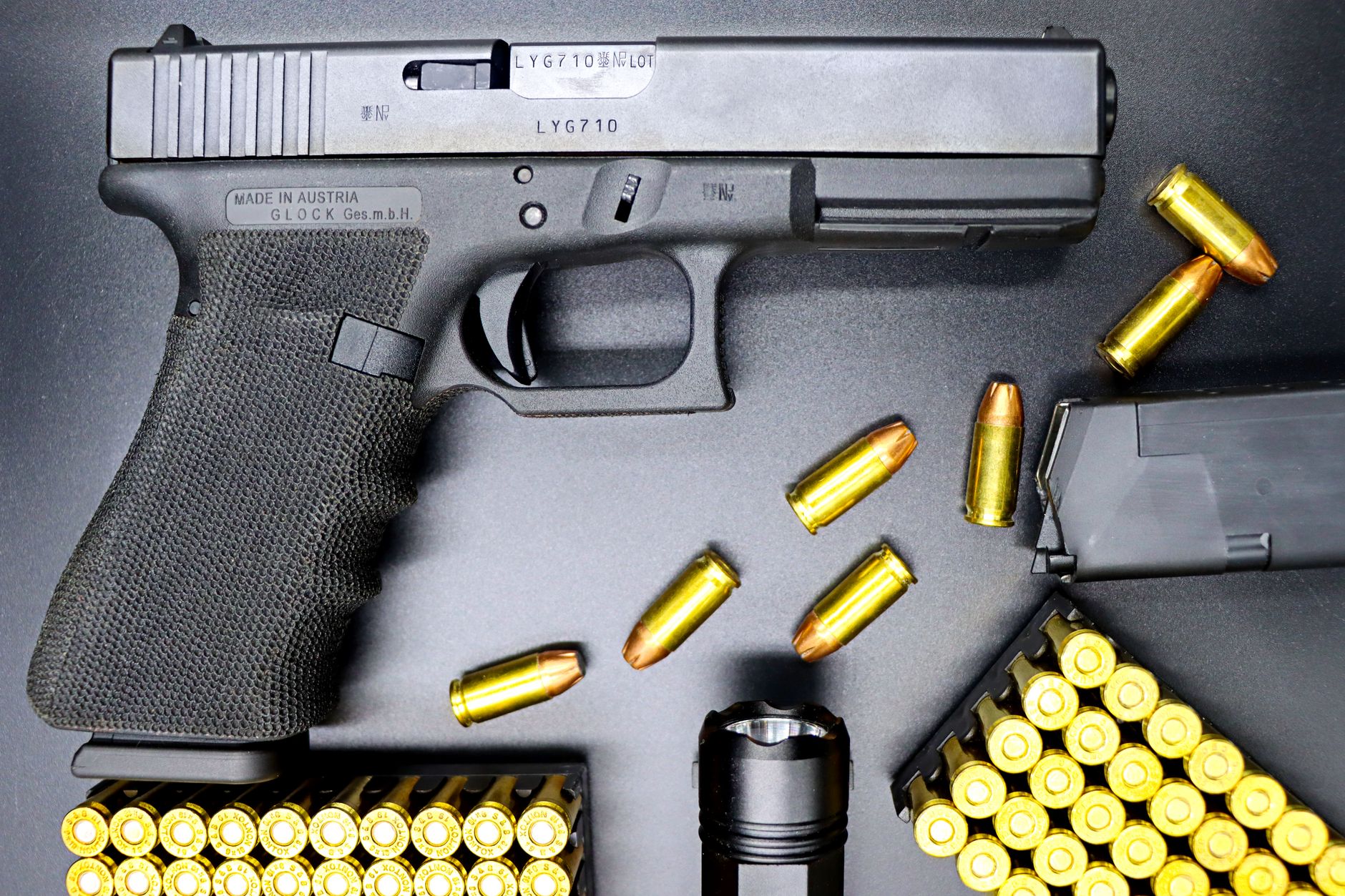
California's Glock ban directly impacts every gun owner in the state—Glock pistols represent the most widely carried and owned semi-automatic handgun among civilians, law enforcement, and military personnel. AB 1127 makes possession, sale, and transfer of Glock models illegal in California, affecting current owners and preventing future purchases. The lawsuit's attack on the Handgun Roster itself is equally critical: if SAF succeeds in striking down the Roster, California would lose one of the nation's most restrictive firearm approval systems. This case will determine whether California can ban specific handgun models outright or whether such bans violate the Second Amendment under New York State Rifle & Pistol Association v. Bruen. Gun owners nationwide should monitor this case—a loss in court could embolden similar bans in other blue states; a win could dismantle California's entire approval structure.
DownRange Analysis
SAF's motion for preliminary injunction is a direct play for immediate relief—a win would block the Glock ban while litigation continues, likely taking years. The Bruen standard demands that firearm restrictions have historical precedent in American law. California cannot cite 18th or 19th-century bans on Glock pistols—they didn't exist. The state's ban is a modern restriction without historical analog, making it vulnerable under current Supreme Court precedent. The Handgun Roster challenge is equally strong: the Roster uses a microstamping requirement so technically demanding that virtually no manufacturer meets it, effectively functioning as a total handgun ban in practice. If the court denies the preliminary injunction, SAF likely proceeds to summary judgment. California will argue public safety and interest, but post-Bruen, interest balancing is no longer permissible. This case could be the death blow to the Roster and a major defeat for California's gun control infrastructure.