Supreme Court Refuses to Review Warrantless 'Knock-and-Talk' Cases
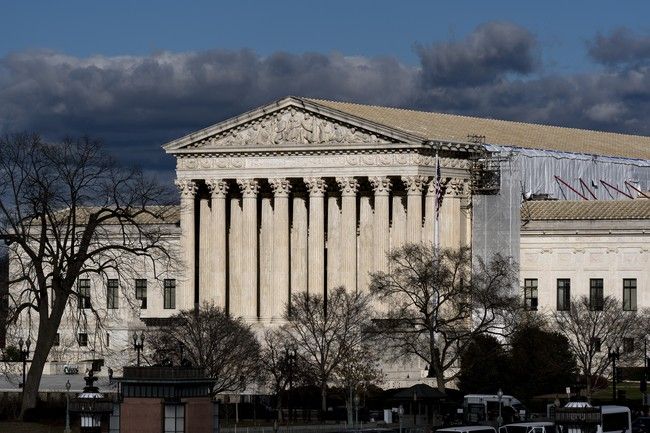
The Supreme Court denied certiorari to dozens of petitions during its Monday conference, including at least one case challenging police 'knock-and-talk' tactics—warrantless home visits where officers seek consent to search—that gun rights groups had backed. The denial means the lower courts' decisions stand, and the justices offered no explanation for rejecting the appeal. Gun owners now face continued uncertainty about Fourth Amendment protections when armed police appear at their doors without warrants.
Key Details
- Supreme Court rejected the cert petition on Monday, October 6, 2026. No opinion or reasoning was published.
- Gun rights organizations supported the case, treating it as a Second Amendment and Fourth Amendment intersection issue.
- The denial affects the legal precedent across multiple jurisdictions where lower courts have permitted 'knock-and-talk' searches without warrants.
- The case would have tested whether unannounced police visits and consent-based searches violate constitutional protections before firearms are even in question.
Why It Matters for Gun Owners
A 'knock-and-talk' can escalate into a full search of your home—including safes, closets, and bedrooms—based entirely on officer perception of "consent." Gun owners are uniquely vulnerable: officers may use weapons in plain sight or closets as probable cause to expand the search, or to justify aggressive tactics during the encounter. Without SCOTUS guidance, state and federal courts will continue applying inconsistent standards. Some jurisdictions treat consent broadly; others require explicit, unambiguous permission. This ruling leaves that split in place. If you're visited by armed police without a warrant, your best protection remains a clear refusal to consent and a lawyer's business card—not cooperation based on hopes of appearing innocent.
DownRange Analysis
The Court's silence is its own message. A Bruen-era majority that has aggressively defended Second Amendment rights still declined to hear Fourth Amendment challenges to warrantless home intrusions. This suggests the justices either see 'knock-and-talk' as settled Fourth Amendment law (it isn't), or chose to avoid the collision between consent-based searches and gun owner safety. The practical result: gun owners get no Supreme Law clarification, and police continue exploiting ambiguous consent rules in home searches that may target firearms. A real solution requires either Congressional action defining consent standards or a future petition the Court actually accepts. For now, gun owners remain exposed.