North Hollywood Shootout Forced LAPD to Rethink Patrol Rifle Strategy
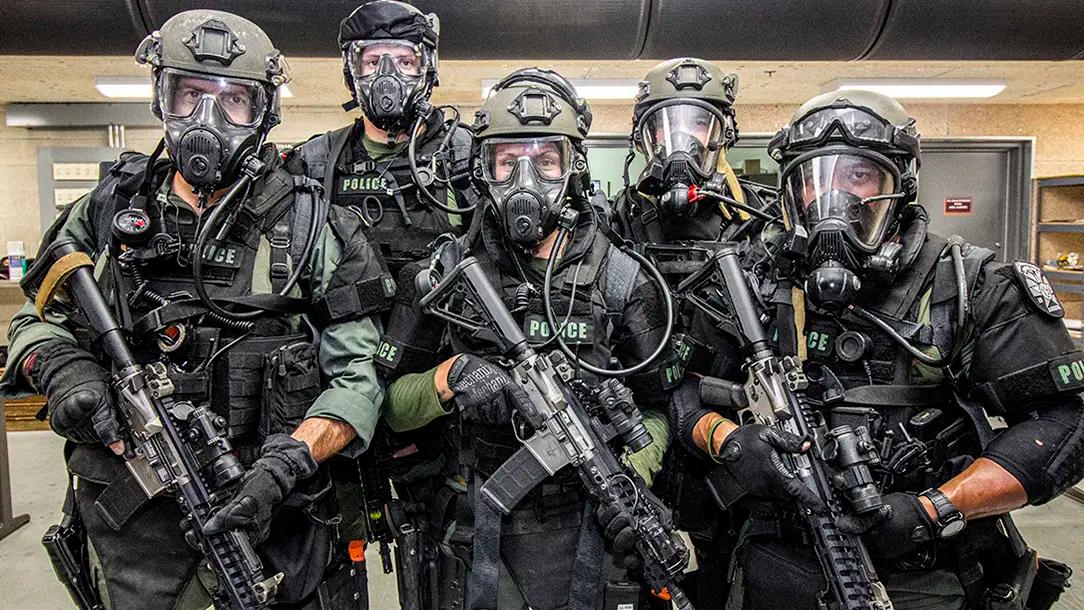
An armed robbery call on February 28, 1997, in North Hollywood became a watershed moment for American police arsenals. An LAPD patrol unit responding to a 211-in-progress encountered suspects equipped with rifles and body armor. The engagement revealed that standard patrol handguns and shotguns left officers outgunned. That single incident accelerated the adoption of patrol rifles across U.S. departments and reshaped how law enforcement trained for armed confrontations.
Key Details
- Date: February 28, 1997 — North Hollywood, California
- Call type: Armed robbery (211 in radio code)
- Outcome: Incident demonstrated critical firepower gap between patrol weapons and suspect armament
- Impact: Catalyzed nationwide shift toward patrol rifle adoption by local and state police agencies
Why It Matters for Gun Owners
The North Hollywood shootout matters because it reshaped police procurement policies that ripple through the civilian market. Department purchases of AR-platform rifles drove ammunition supply, aftermarket part development, and training standards that trickled down to civilian competitive shooters and carriers. Understanding this historical inflection point shows how law enforcement doctrine shifts create or restrict access to specific platforms and ammunition. For gun owners, the lesson is clear: when departments upgrade their arsenals, manufacturers scale production, competition increases, and prices stabilize. The opposite is equally true — when departments pivot away from certain platforms, civilian supply can tighten.
DownRange Analysis
The North Hollywood incident proved something we now take for granted: patrol rifles are non-negotiable force multipliers. Departments learned that responding to active shooters or armed suspects with pistols and shotguns alone creates unacceptable risk. This precedent established the AR-15 as the de facto standard for police patrol arsenals. From a Bruen perspective, the historical adoption of modern rifles by law enforcement strengthens the constitutional case for civilian ownership — if agents of the state carry them for defense of persons and property, the logic extends to civilians exercising the same right. For gun owners today, this history validates the AR platform as a legitimate defensive and recreational tool, not an exotic or unnecessary firearm.