Banks Killed Gun Industry Access Years Before Debanking Went Public
Financial technology firms systematically severed banking relationships with gun industry businesses and conservative customers in the months following January 6, establishing a pattern of financial exclusion that operated silently while the debanking controversy remained largely unreported. Hundreds of American citizens—many conservative, religious, or skeptical of pandemic policies—found their accounts terminated or restricted without explanation or recourse, creating a financial exile from mainstream U.S. banking systems that predates the broader debanking scandal by years.
Key Details
Fintech companies targeted firearm-related businesses, ammunition suppliers, and conservative individuals for account closure or severe restrictions following the January 6 Capitol incident. The pattern affected not only gun manufacturers and dealers but also gun owners, ammunition buyers, and related service providers. Victims received minimal notification of the reasons for termination and had virtually no appeal process or path to reinstatement. The restrictions operated with little public awareness until debanking emerged as a national political issue years later.
Why It Matters for Gun Owners
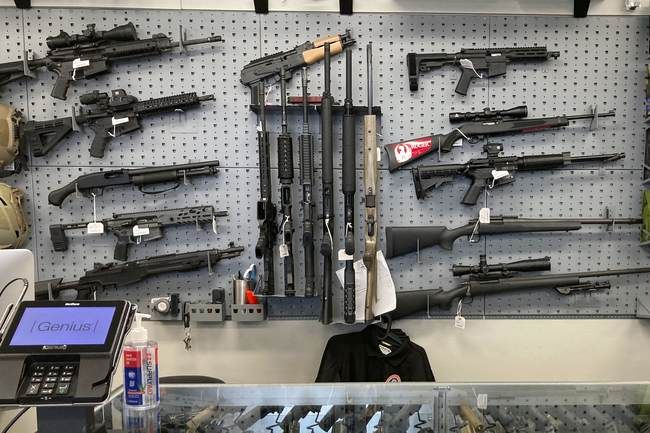
Financial deplatforming creates operational chaos for every tier of the gun industry—manufacturers can't process payments, retailers lose merchant accounts, and individual gun owners face frozen personal accounts. Unlike regulatory bans or legislation, financial exclusion leaves no legal record, no public notice, and no court remedy. Gun owners who've never violated any law suddenly can't process credit card transactions, wire funds, or maintain business operations. This infrastructure attack sidesteps the Second Amendment entirely by making it financially impossible to manufacture, sell, or purchase firearms legally. Anyone in the industry or any individual flagged by fintech algorithms faces permanent exile with zero transparency.
DownRange Analysis
The gun industry was already being strangled through financial networks when the broader debanking story broke nationally. This wasn't isolated customer service decisions—it was systematic exclusion based on political and ideological screening. The real vulnerability isn't legislative; it's that private financial companies can weaponize access to banking without any Second Amendment protection, due process, or political accountability. Gun owners and businesses need to establish banking relationships with credit unions, community banks, and alternative payment processors now. Relying on national fintech platforms is no longer viable. The industry's survival depends on building redundant financial infrastructure independent of politically hostile corporate gatekeepers.