Twenty-Nine States Now Have Constitutional Carry
As of May 2026, twenty-nine states have passed constitutional carry laws allowing residents to carry firearms without permits. That's more than half the country. Constitutional carry means you don't need government permission to exercise your Second Amendment right. No permit applications. No fees. No background checks for carry—though federal law still requires checks for purchases. This shift represents the fastest adoption of pro-gun legislation in decades. States ranging from Texas to Vermont to Maine now recognize carry as a right, not a privilege government grants.
Background and Context
Vermont was first in 1791—it never required carry permits. But modern constitutional carry started with Alaska in 2003 and Arizona in 2010. Both proved the sky didn't fall. Crime didn't spike. Police adapted. After the Supreme Court's Bruen decision in June 2022, which said gun laws must have historical roots and pass strict scrutiny, constitutional carry gained momentum. Red states moved fast. Blue states and purple states followed more slowly. New Hampshire passed it in 2023. Michigan in 2024. The dominoes kept falling. Each state that passed it pressured neighbors to do the same. Gun owners voted with their feet and ballots.
What This Means for Gun Owners
If you live in one of these twenty-nine states, you can carry loaded and concealed without a permit, no application required. Existing permit holders keep their permits for reciprocity when traveling to states that still require permits. For new carriers, this eliminates the wait—usually 30 to 90 days depending on the state. No fees. No character references. No photos. Reciprocity varies wildly though. Some states with constitutional carry still won't honor other states' permits. If you carry across state lines regularly, check current reciprocity maps monthly—they change. States without constitutional carry still issue permits, and those permits remain valuable for interstate travel to 21 states that recognize them.
Industry Impact
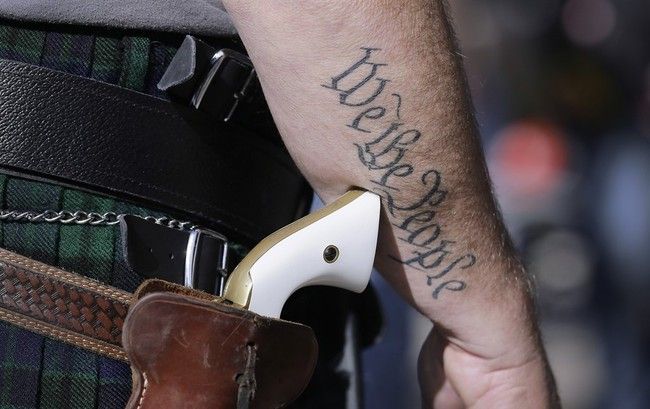
Concealed carry instructors in constitutional carry states lost business immediately. Training dropped 40 to 60 percent in early adopter states like Arizona and Alaska. Some instructors closed shop. Others pivoted to advanced tactics, legal updates, and first-aid courses to survive. Holster manufacturers saw sales remain steady—people still want good gear, permit or not. Ammunition and firearm sales didn't move much either way. Some states reduced permit revenue by millions annually. Law enforcement agencies relied on those fees and fingerprinting work; budgets took hits.
What to Watch Next
Twenty-one states still require permits. Montana, Idaho, and Wyoming—solid red states—haven't passed constitutional carry yet, though bills have been introduced repeatedly. Indiana and Ohio keep pushing but haven't crossed the finish line. Watch the 2026 and 2027 legislative sessions in these states. New Hampshire's law takes full effect in 2024, so data from that state will show other legislatures real-world outcomes. Federal reciprocity remains unlikely with a divided Congress, but some Republicans have introduced carry reciprocity bills every term since 2011. If Republicans control Congress in 2027, watch for another attempt.
DownRange Bottom Line: Constitutional carry is winning. Nearly half the country has it now. If your state doesn't, the trend is your side. If it does, don't get complacent—reciprocity is patchy, and one bad election can stall momentum. Stay informed on your state's laws and check reciprocity before you cross state lines.