Federal Gun Rights Restoration Process Exists—But It's Been Starved of Funding
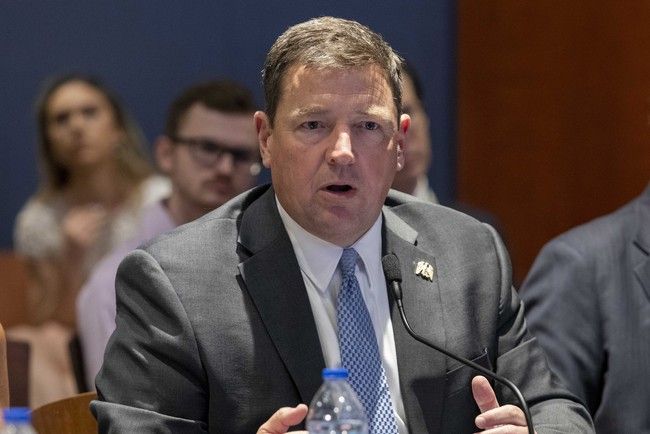
A mechanism to restore firearm rights for convicted felons has existed in federal law for decades, according to the U.S. Pardon Attorney. The official stated that rights restoration is fundamentally American and should function as a legitimate pathway for individuals seeking to rebuild their lives after conviction. The process, however, remains crippled by chronic underfunding that has prevented most applicants from accessing it.
Key Details
- Federal law permits felons to petition for restoration of gun rights through established clemency and pardon procedures
- The Pardon Attorney framed rights restoration as consistent with American legal tradition
- Decades of budget constraints have rendered the program effectively unavailable to applicants who might otherwise qualify
- No recent funding increases or legislative action has been undertaken to revive the process
Why It Matters for Gun Owners
This reveals a critical gap between stated Second Amendment policy and actual implementation. Gun owners who believe in proportional justice and earned redemption have legitimate grounds to support funding restoration programs—they're not radical, they're statutorily authorized. For felons seeking to legally regain constitutional rights after serving time, the current system offers a legal path that exists only on paper. The problem isn't that restoration is impossible; it's that resource starvation makes it inaccessible. States vary dramatically in whether they offer parallel state-level restoration processes, leaving applicants in restrictive jurisdictions completely shut out. This also matters for Second Amendment advocates: unfunded restoration processes strengthen anti-gun arguments that rights can't realistically be recovered, potentially hardening permanent disqualifications.
DownRange Analysis
Bruen didn't directly address rights restoration, but its historical grounding principle supports restoration pathways—historical practice shows convicted individuals could petition for rights recovery. The real issue isn't constitutional; it's political and fiscal. Gun owners who champion Second Amendment absolutism should recognize that meaningful restoration access actually strengthens their position: it proves rights aren't arbitrary, and it demonstrates that responsible individuals can petition their government for redress. The absence of funded restoration programs creates a perverse outcome: it makes permanent disqualification appear justified while denying the legal remedy that would undercut that justification. Anyone serious about Second Amendment integrity should push Congress to fund the Pardon Attorney's office and demand state legislatures establish transparent restoration processes. Right now, the system punishes reform and discourages redemption—a counterproductive outcome for everyone claiming to respect constitutional rights.