Virginia Prosecutors Split on Gun Ban Enforcement While AG Fights Back
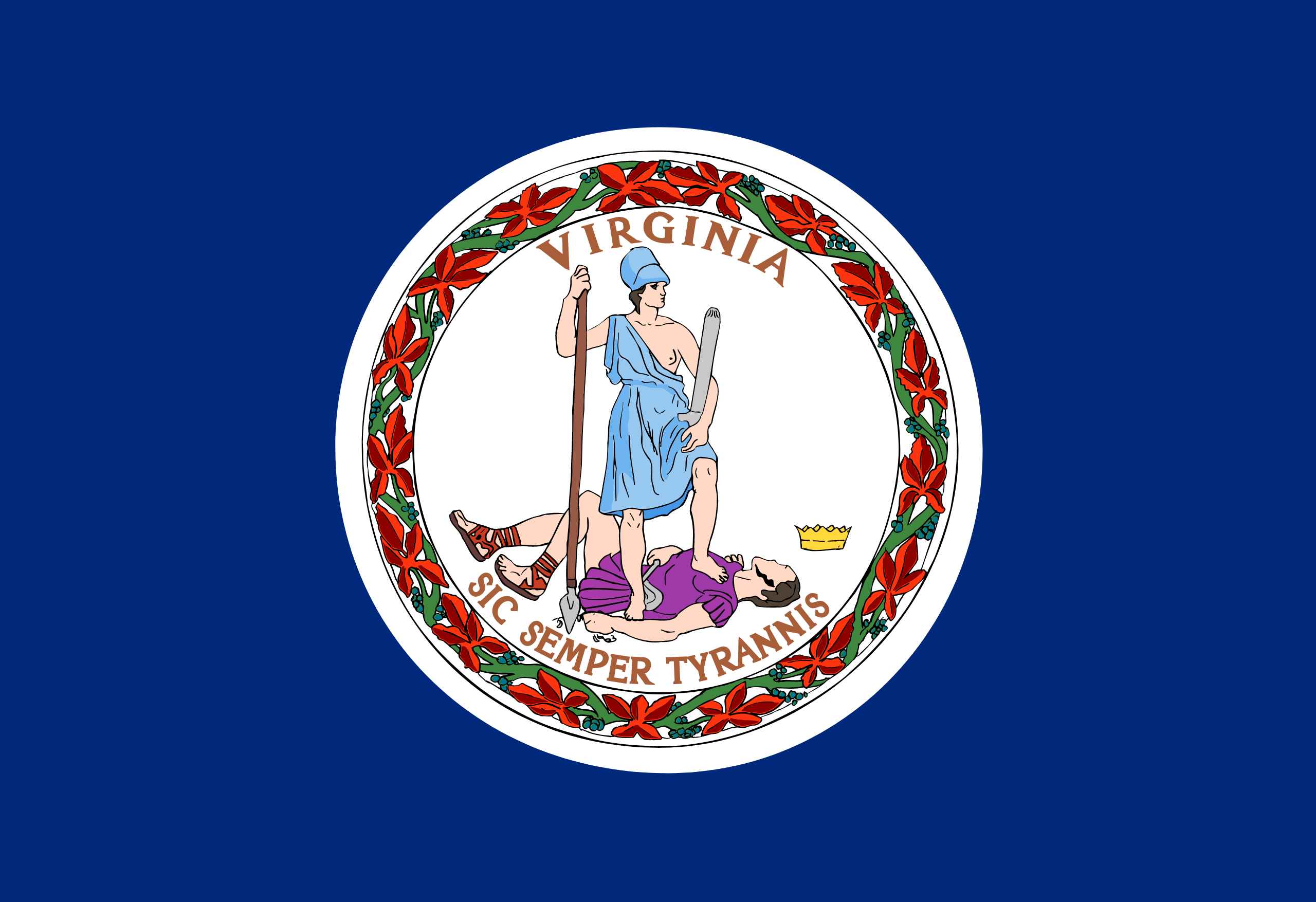
Virginia's gun ban statutes have created a prosecutor revolt. Some district attorneys refuse to bring charges under the state's sweeping restrictions, calling them unconstitutional. Meanwhile, Attorney General Jay Jones is consolidating litigation to defend those same laws in court. This split exposes raw disagreement over whether Virginia's gun controls can survive Second Amendment scrutiny post-Bruen.
Key Details
Virginia has passed multiple gun ban laws in recent years targeting commonly owned firearms and standard-capacity magazines. Several county prosecutors have publicly declined to enforce these statutes, citing constitutional concerns. Attorney General Jones responded by centralizing the state's legal defense of the bans, filing consolidated lawsuits to keep them on the books. The judicial battles now underway will determine whether Virginia's restrictions remain law or fall under constitutional challenge. Local elections for prosecutor positions directly influence which laws get enforced in each jurisdiction.
Why It Matters for Gun Owners
This fight shapes whether Virginia residents can legally own firearms already in millions of hands nationally. If prosecutors won't charge violations, enforcement collapses regardless of what the statute says. If courts strike down the bans, Virginia gun owners recover rights without waiting for legislative repeal. Gun owners in Virginia should know their local prosecutor's position on these laws—it determines real-world enforcement risk. Out-of-state gun owners should watch this case: Virginia's outcome influences how other states approach similar bans and whether constitutional challenges succeed.
DownRange Analysis
This prosecutor split reveals what happens when laws lose legitimacy with the people enforcing them. Under Bruen, laws must match historical tradition—Virginia's modern bans don't. Smart prosecutors recognize this and refuse to waste resources on cases courts will likely toss. Attorney General Jones is fighting anyway, burning state resources on defense that may fail. Gun owners should support primary challenges to any prosecutor defending these bans while rewarding those refusing enforcement. Local elections for DA positions now matter more than ever in Virginia. The real power sits with prosecutors, not politicians.