Virginia Prosecutors Refuse to Enforce Gun Bans While Others Fight to Defend Them
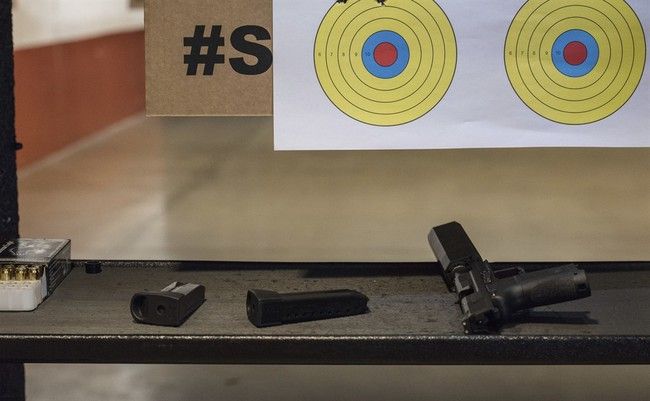
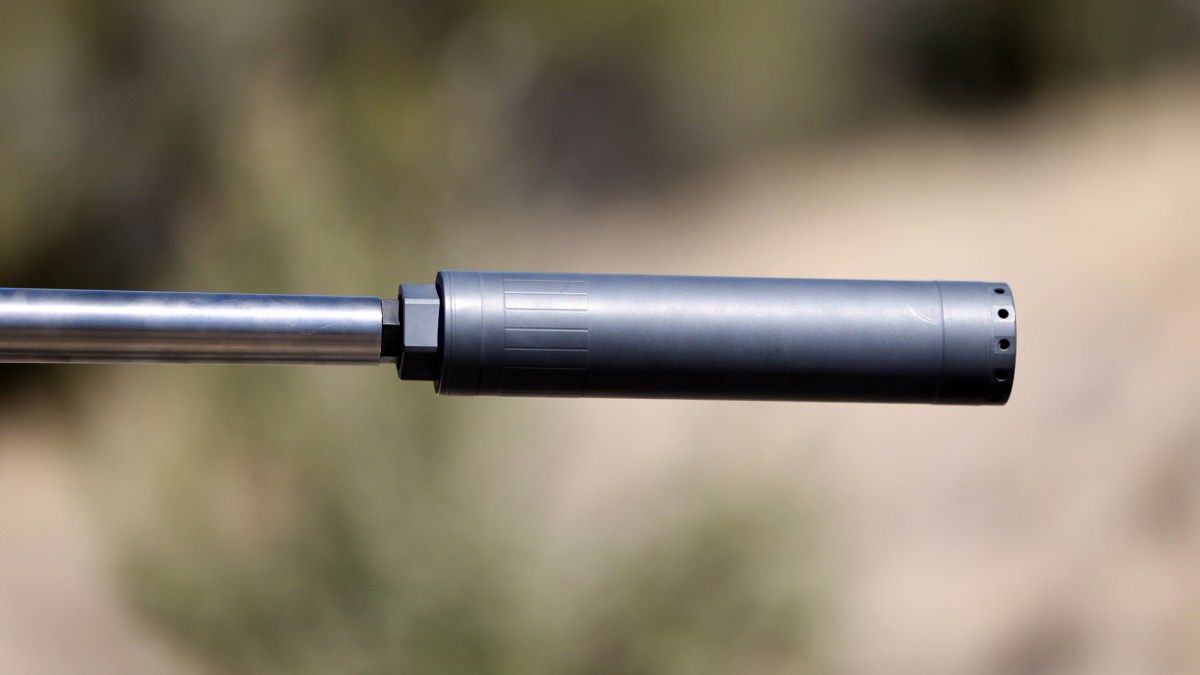
Virginia's law enforcement is fractured. Some prosecutors won't enforce the state's gun restrictions. Others are actively defending them in court. Attorney General Jay Jones consolidated multiple lawsuits challenging the laws into a single legal action, but the split among local prosecutors reflects a genuine constitutional divide over Second Amendment rights in the Commonwealth.
The enforcement breakdown matters for gun owners because it creates real consequences—or lack thereof—depending on which Virginia county you live in. A prosecutor in one jurisdiction might decline to charge violations while a neighboring county pursues charges aggressively. This patchwork approach undermines uniform law enforcement and leaves gun owners uncertain about legal exposure.
Jones consolidated the pending constitutional challenges into one proceeding, positioning the state's highest legal office to control the narrative in defense of the restrictions. The move centralizes authority but doesn't resolve the ground-level resistance from prosecutors who view the laws as unconstitutional overreach. Some local prosecutors have publicly stated they will not prosecute violations of the new restrictions, effectively nullifying enforcement in their jurisdictions.
Virginia implemented these gun restrictions despite heated opposition from Second Amendment advocates. The split prosecution strategy reveals that not all law enforcement officials agree the restrictions withstand constitutional scrutiny. Some prosecutors may be calculating that defending these laws in court is a losing proposition, or they may genuinely believe the statutes violate the Second Amendment protections affirmed by recent Supreme Court decisions like New York State Rifle & Pistol Association v. Bruen.
The consolidation of lawsuits under Jones gives the state a unified legal position but also exposes the AG to coordinated challenges from multiple plaintiffs simultaneously. Rather than fighting individual cases across different counties with potentially inconsistent arguments, Jones can now present a single constitutional defense. This approach is more efficient for the state but potentially more vulnerable if the consolidated case fails—a loss would apply broadly rather than affecting just one jurisdiction.
For gun owners, the prosecutor split creates both risks and opportunities. In counties where prosecutors refuse enforcement, you have de facto protection even if the law remains technically valid. But relying on prosecutorial discretion is unreliable. A change in administration, a new DA with different views, or political pressure could flip enforcement overnight. The legal status of the guns themselves remains unsettled until courts rule definitively.
The constitutional divide extends beyond politics. Prosecutors trained in constitutional law may recognize that the Supreme Court's Bruen standard—requiring historical tradition in firearms regulation—doesn't clearly support Virginia's specific restrictions. Historical analysis of whether these particular laws fit historical precedent remains contested, which explains why some prosecutors decline enforcement while others defend them vigorously.
This matters strategically for gun owners challenging the laws. The AG's consolidated action means all constitutional arguments flow through one case. A favorable ruling would strike down restrictions statewide. An unfavorable ruling would do the same. There's no middle ground where one county wins and another loses.
Virginia gun owners should monitor both the consolidated lawsuit and local prosecution decisions in their counties. A prosecutor's current refusal to enforce doesn't guarantee future protection. The only permanent solution comes from either legislative repeal or a court ruling that the restrictions violate the Second Amendment. Until then, the patchwork enforcement means your legal standing depends partly on ZIP code.