Federal Court Extends Injunction Blocking Virginia's Assault Weapons Ban
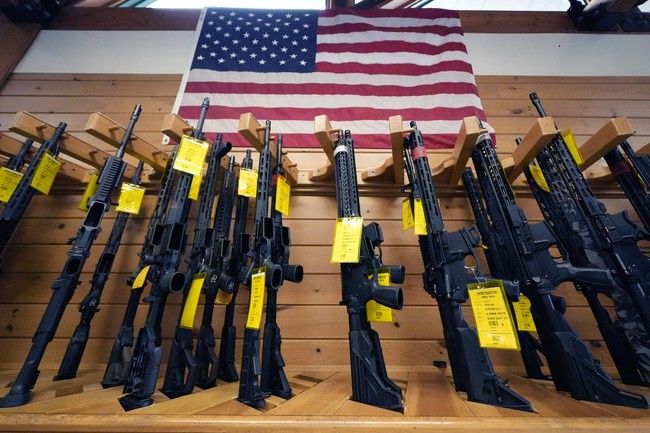
A federal court has extended a statewide injunction that keeps Virginia's assault weapons and magazine capacity restrictions unenforceable. The stay remains in effect as the U.S. Supreme Court considers two major Second Amendment cases. Virginia residents can currently possess and sell firearms and magazines that would otherwise violate state law. The injunction applies to all gun owners statewide, not just the NRA plaintiffs who filed the original challenge.
The court's decision to maintain this stay signals judicial hesitation to enforce a ban while higher courts may rule on identical constitutional questions. Federal judges avoid wasting resources on cases that could be mooted by Supreme Court action. Virginia's legislature passed the assault weapons ban in 2020, restricting semi-automatic rifles and limiting magazine capacity to 12 rounds. The law exempted firearms owned before its enactment, but the NRA argued the restrictions violated Second Amendment rights under the Bruen standard.
What This Means for Virginia Gun Owners Today
Gun owners in Virginia currently operate under legal immunity from state AWB enforcement and magazine capacity limits. This protection is temporary and contingent on Supreme Court action. If the Court applies strict scrutiny as established in New York State Rifle & Pistol Association v. Bruen, this injunction could become permanent. If the Court narrows Second Amendment protections, Virginia could reinstate enforcement immediately after ruling.
Virginia gun owners should not treat this as a permanent victory. Magazine capacity limits and AR-15 restrictions remain law on the books. Any gun owner who purchased banned magazines or modern sporting rifles under this injunction should understand that status could reverse. The state has not withdrawn the law—it simply cannot enforce it while litigation continues.
Other states watching this outcome include Maryland, Connecticut, and California. All three maintain similar assault weapons bans facing legal challenges. A Supreme Court ruling favoring Second Amendment protections could strike down these laws nationwide. Conversely, a ruling upholding restrictions would give these states legal cover to enforce bans aggressively.
Background on Virginia's Assault Weapons Law
Virginia passed its assault weapons ban in 2020 during a Democratic-controlled legislature and governor's term. The law prohibited the sale of semi-automatic rifles including AR-15s and similar platforms. It capped magazines at 12 rounds regardless of caliber. The NRA filed suit immediately, arguing the restrictions violated the Second Amendment as interpreted by the Supreme Court in District of Columbia v. Heller and McDonald v. Chicago.
A federal district court agreed and issued the injunction in 2021. The court found the law likely violated Second Amendment protections and that Virginia failed to show a compelling government interest. Appeals courts have maintained the stay through multiple rounds of litigation. The Supreme Court's decision on related cases could directly impact how courts evaluate Virginia's law going forward.
DownRange Bottom Line
Virginia gun owners get to carry and purchase prohibited firearms today, but only because a court found their law unconstitutional. That determination stands until the Supreme Court rules otherwise. Gun owners should not stockpile banned magazines or firearms assuming this injunction will last forever. Monitor Supreme Court decisions closely—they will determine whether this temporary reprieve becomes permanent protection or vanishes entirely. For now, Virginia residents enjoy practical relief from one of the nation's strictest state-level bans.