Bikers Buck Trend: Revolvers Dominate Motorcycle Concealed Carry
Motorcycle riders carry revolvers at significantly higher rates than the general concealed carry population, defying the firearms industry's decade-long shift toward polymer semi-automatics.
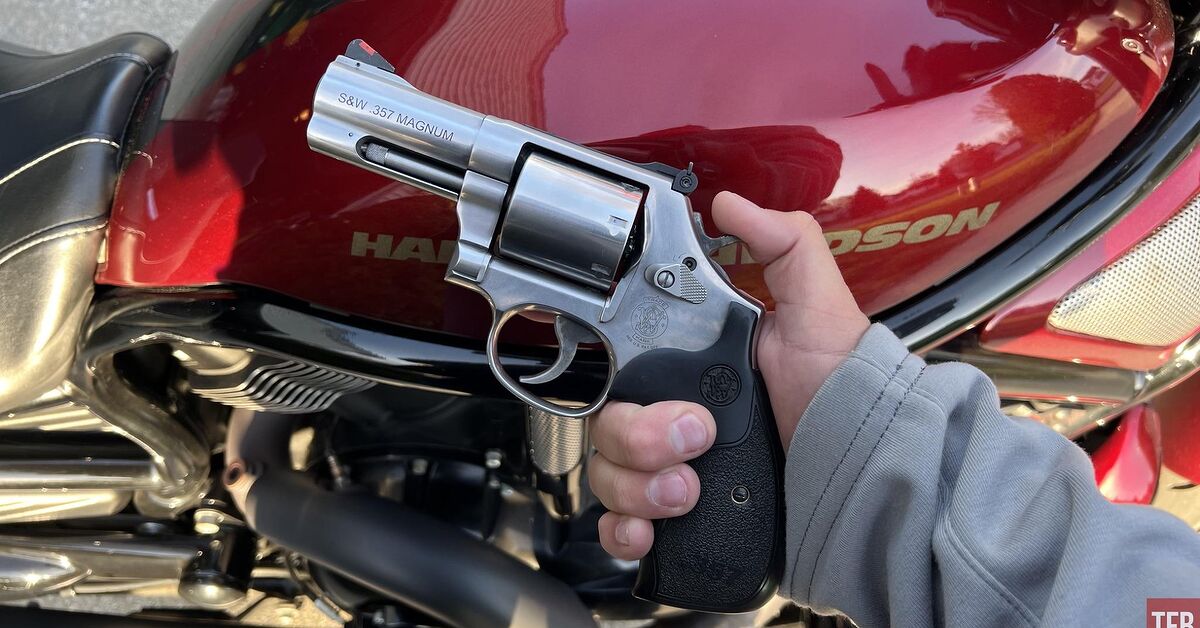
While most gun owners have adopted striker-fired pistols, the motorcycle community remains committed to full-metal revolvers. The Ruger GP100, Smith & Wesson K-frame models, and Colt Python variants lead their choices. This preference isn't casual—it reflects practical decisions rooted in the riding environment.
The Biker Advantage: Why Revolvers Win on Two Wheels
Motorcycle ownership creates unique demands that semiautos struggle to meet. Riders face constant exposure to fuel, oil, and road salt. These substances degrade polymer frames faster than steel. Revolvers shrug off environmental abuse that would compromise a plastic-framed pistol's reliability.
The GP100 and K-frame models handle extreme temperature swings without losing zero or function. A rider crossing mountain passes in 40-degree mornings and hitting desert floors hitting 95 degrees won't watch their firearm's performance drift. Semiautos can suffer extraction and feeding issues under these conditions.
Vibrational stress differs on a motorcycle versus a car or on foot. The constant engine vibration and road feedback shakes loose semi-auto magazines more frequently than it affects revolver cylinders. Riders report fewer continuity issues with wheel guns during long cross-country runs.
Holster mounting on leather and tactical gear works differently at highway speeds. A revolver's fixed cylinder sits stable against the body. Semiauto slide racking during aggressive cornering or hard braking creates risk of unintended discharge. Revolvers eliminate this variable.
Real Carry Numbers Shift the Narrative
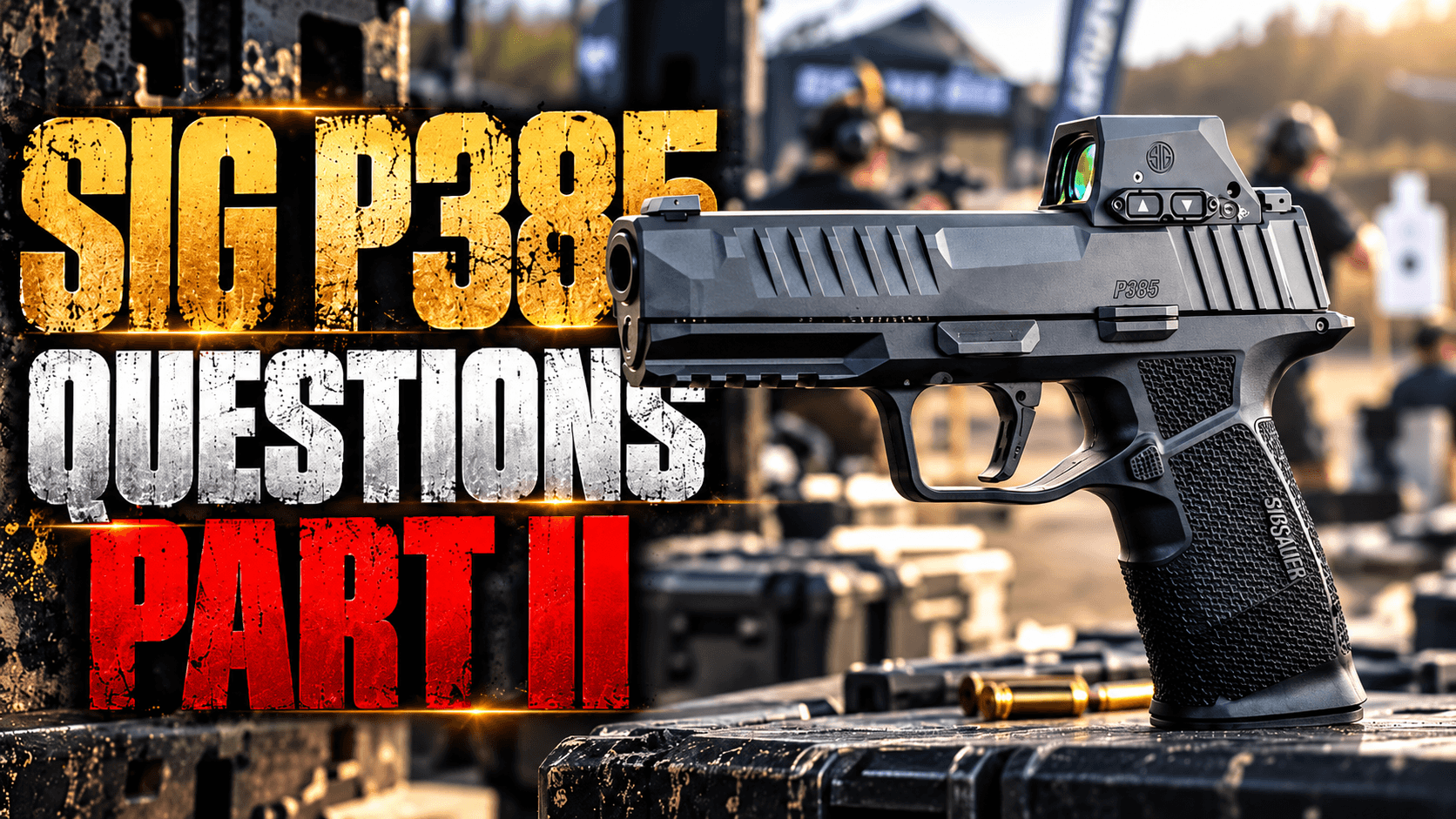
The broader concealed carry market has swung decisively toward striker-fired platforms—Glocks, M&Ps, Sig P365 variants dominate sales data. Yet biker surveys and retailer reports from motorcycle shops show revolvers claiming 60-70% of their concealed carry sales, compared to roughly 15% in general gun shops.
This gap matters. It proves that tactical doctrine doesn't apply uniformly across all carry environments. The metrics that made polymer pistols dominant for pedestrian carriers don't apply at highway speeds.
The Python's recent reintroduction by Colt specifically caught biker attention. Availability of quality revolver ammunition has improved markedly in the last five years, eliminating the ammo scarcity that once drove shooters toward semiauto calibers.
What This Means for Daily Carriers
This trend validates a hard truth: your carry gun must fit your lifestyle. A CCW platform optimized for office workers moving between car and building performs differently than one engineered for extended outdoor exposure and environmental contamination.
Bikers aren't rebelling against semiautos from nostalgia. They're choosing revolvers because double-action reliability, weather resistance, and mechanical simplicity solve real problems their environment creates. That's not a retreat—it's precision matching of tool to task.
For riders considering their first defensive pistol, the data supports wheel guns. The GP100 in .357 Magnum delivers more environmental forgiveness and simpler maintenance than equivalent striker-fired options. You won't shoot faster than a modern semiauto, but you'll shoot every time it matters.
The revolver's resurrection among bikers proves that market trends don't always track with tactical sense. Sometimes the older tool works better. The question isn't whether semiautos are superior—it's whether they're superior for your specific carry mission. For two-wheeled defenders, the evidence keeps pointing back to steel cylinders and trigger-cocked reliability.