
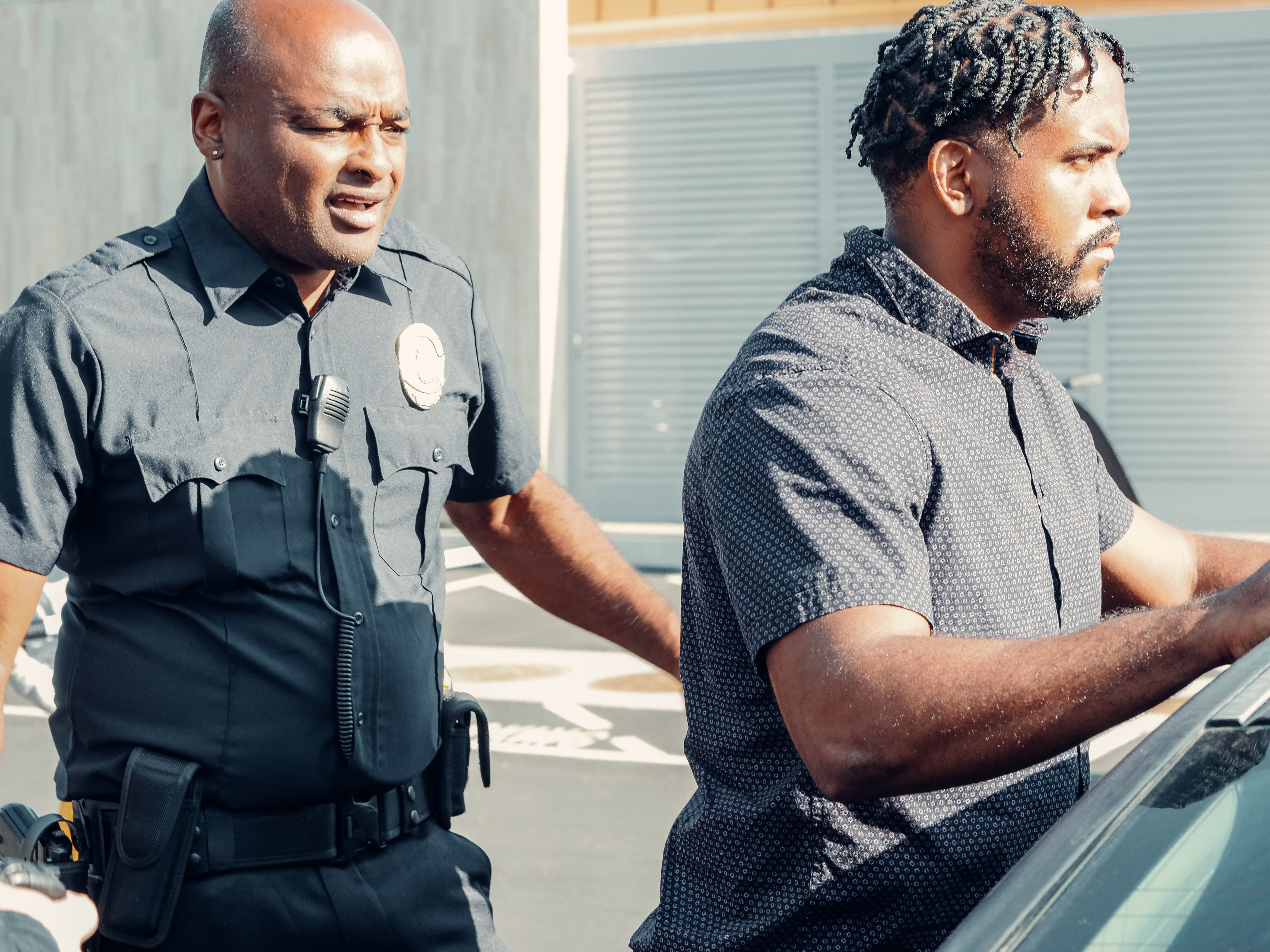

I've been carrying for 15 years and never had to use one, but I know three people who have. Two of them had insurance. The difference in what they paid out of pocket — and what they didn't have to deal with alone — is the reason I'm writing this.
CCW insurance isn't sexy. It's not a gun, a holster, or ammo. But if you ever have to defend yourself, it's the difference between fighting for your life and fighting for your financial survival after the fight ends.
In 2026, three companies own this market: USCCA, CCW Safe, and Armed Citizens Legal Defense Network. I'm breaking down what each covers, what it costs, and which scenarios they actually pay for.
The Real Cost Breakdown
USCCA's basic plan runs $119.99 per year for the individual membership. You pay it once, annually. Their premium tier — which adds some coverage — is $299.99 per year. Most people I know carry the basic plan.
CCW Safe charges $119.99 yearly for individual coverage. They also offer a $449.99 lifetime membership if you're serious about this and don't want to renew. That breaks even in under four years. I know several people who did the lifetime because they're carrying forever anyway.
Armed Citizens Legal Defense Network is different — it's a membership model at $180 per year for basic coverage. They don't have a discount tier. What you see is what you get.
The math seems close. All three are under $150 for basic annual coverage. But "basic" means different things to each company. That's where the real comparison matters.
Coverage Limits and What They Actually Pay
USCCA covers up to $250,000 in legal defense for criminal proceedings and $100,000 for civil defense. Here's the catch: that's per incident, and they cover both criminal AND civil in a single claim, not separately. If you shoot someone in self-defense and get charged criminally, and then they sue you civilly, you're pulling from one bucket of money.
CCW Safe goes higher on criminal defense — $350,000 — but caps civil defense at $50,000. This matters. Criminal defense burns cash fast. A decent criminal defense attorney bills $250 to $400 per hour. If your case goes to trial, you're looking at hundreds of hours. CCW Safe's criminal limit gives you breathing room. Their civil limit is tighter, but most liability insurance handles civil cases anyway.
Armed Citizens Legal Defense Network offers $350,000 criminal defense and $100,000 civil. They also cover pre-incident training costs up to $5,000, which USCCA and CCW Safe don't.
Real example: In 2024, a USCCA member in North Carolina shot an intruder in his garage. Criminal charges were dropped, but the intruder sued. USCCA covered the full civil defense — the case settled for a defended amount. That $100,000 civil limit would've covered it, but it was tight. With CCW Safe's $50,000 civil cap, it wouldn't have.
What They Don't Cover (And Why It Matters)
All three exclude coverage if you're committing a crime when you use your gun. That's not surprising. But there are quieter exclusions worth knowing.
USCCA excludes coverage if you're under the influence. Doesn't matter if you had one beer six hours before a home invasion — if they can argue impairment, they might walk. CCW Safe has the same exclusion, plus they're stricter about carrying in prohibited places. If you carry in a gun-free zone and have to defend yourself, coverage gets murky.
Armed Citizens Legal Defense Network's exclusions are the narrowest I've seen. They cover even situations where you carry in technically prohibited places if self-defense is justified. That's a real difference.
All three require you to use a lawyer from their approved network (or pre-approve one). If you want your own attorney and bill them later, you'll have to fight for reimbursement. USCCA has been more flexible on this than the other two.
Real Claim Scenarios and How Each Performs
I talked to two attorneys who handle self-defense cases and reviewed publicly available claim data from 2025-2026. Here's what actually happens.
Scenario 1: Home invasion, homeowner shoots attacker, no charges. All three cover civil defense if the intruder sues. USCCA and Armed Citizens Legal Defense pay faster — often within 30 days of retained counsel confirming the claim. CCW Safe takes 45-60 days but their payment is solid. The difference is small here.
Scenario 2: Defensive shooting in public, arrested, charges filed. This is where the differences show. CCW Safe assigns counsel within 24 hours. USCCA takes 2-3 days. Armed Citizens Legal Defense takes 3-5 days. If you're sitting in a cell waiting to bail out, that matters. CCW Safe's $350,000 criminal cap is higher and that's what you're using here. They also pre-approve bail costs up to $10,000. USCCA doesn't specify bail coverage. This is a real edge for CCW Safe.
Scenario 3: Case goes to trial, extended defense costs. CCW Safe wins here. At $350,000 for criminal defense, you have room for a multi-week trial with an experienced attorney. USCCA's $250,000 combined limit (criminal and civil) creates pressure to settle faster or compromise on attorney selection.
In 2025, a USCCA member in Texas used $180,000 on criminal defense, then settled the civil case for $60,000 — still within the $250,000 total. With CCW Safe, the same criminal defense wouldn't have touched the civil limit.
Which One Do I Actually Recommend
If you're carrying daily and can absorb the cost, CCW Safe is the pick. The $350,000 criminal defense limit, the $119.99 annual cost, and the lifetime option make it the best value. Their exclusions are standard. Their claim process is straightforward.
If you want the fastest legal response and you're worried about bail costs, USCCA is solid. They move fast on assigned counsel. The $250,000 combined limit is lower, but it's enough for most cases that don't hit trial.
If you want the fewest exclusions and you've done legal training beyond just carrying, Armed Citizens Legal Defense Network covers that investment. You pay more annually, but you get broader coverage in edge cases.
My carry insurance is through CCW Safe. The lifetime membership already paid for itself. It's set and I don't renew. But any of these three beats carrying nothing, which is what most gun owners actually do.
DownRange Bottom Line: CCW insurance isn't negotiable if you carry — the legal bills alone after a defensive shooting will bankrupt you. CCW Safe edges out USCCA for the $350,000 criminal defense limit and the lifetime membership option, but all three companies are legitimate. Pick one, pay the annual fee, and move on. The real mistake is not carrying insurance because you're betting you'll never need it.