
Canada's Handgun Transfer Freeze: What Every Owner Actually Needs to Know
The Policy Framework
On May 30, 2022, the Canadian government introduced Bill C-21, which included a de facto handgun transfer freeze effective immediately. The legislation prohibits licensed firearms dealers and private sellers from transferring handguns to anyone except law enforcement and military personnel. This represents the most significant restriction on legal handgun ownership in Canada since the 1998 reclassification that grandfathered existing handgun owners.
The stated objective is straightforward: reduce handgun circulation in civilian hands. However, the execution creates substantial practical complications for the estimated 1.5 million licensed firearm owners in Canada who legally possess handguns under existing Possession and Acquisition Licences (PALs).
What the Freeze Actually Prohibits
- Transfer of handguns between private citizens—even between family members or within wills
- Sale of handguns through licensed dealers to civilian purchasers
- Importation of handguns for civilian use
- Gifting handguns to new shooters or range members
What remains legal: existing handgun owners may continue to possess, use, transport (under prescribed conditions), and shoot their firearms at approved ranges. They may also perform essential maintenance and keep handguns in secure storage.
The Numbers Behind the Policy
Statistics Canada reported 2.6 million registered handguns in civilian hands as of 2022—a figure that has remained relatively stable over the past decade. The RCMP's Canadian Firearms Program data shows that PAL holders account for less than 1% of homicides committed with firearms annually. Between 2014 and 2019, handguns used in crimes were sourced primarily from illegal imports and theft, not legal retail transfers.
Public Safety Canada acknowledged in parliamentary testimony that the freeze targets supply-side availability rather than demand. The government's position is that reducing legal access will eventually decrease the handgun population available for theft or diversion to criminal networks.
Practical Impact for Current Owners
The freeze creates an immediate succession problem. Licensed handgun owners cannot legally transfer firearms to heirs, sale cannot occur to fund retirement, and shooting clubs cannot recruit new members through equipment transfers. For sport shooters and collectors, this represents a permanent loss of resale value and liquidity in a previously legal asset class.
Range operations have reported decreased membership interest. New shooters cannot acquire handguns through mentorship channels—the traditional pathway for legal sport shooting participation in Canada. This effectively closes market entry to the next generation of licensed shooters.
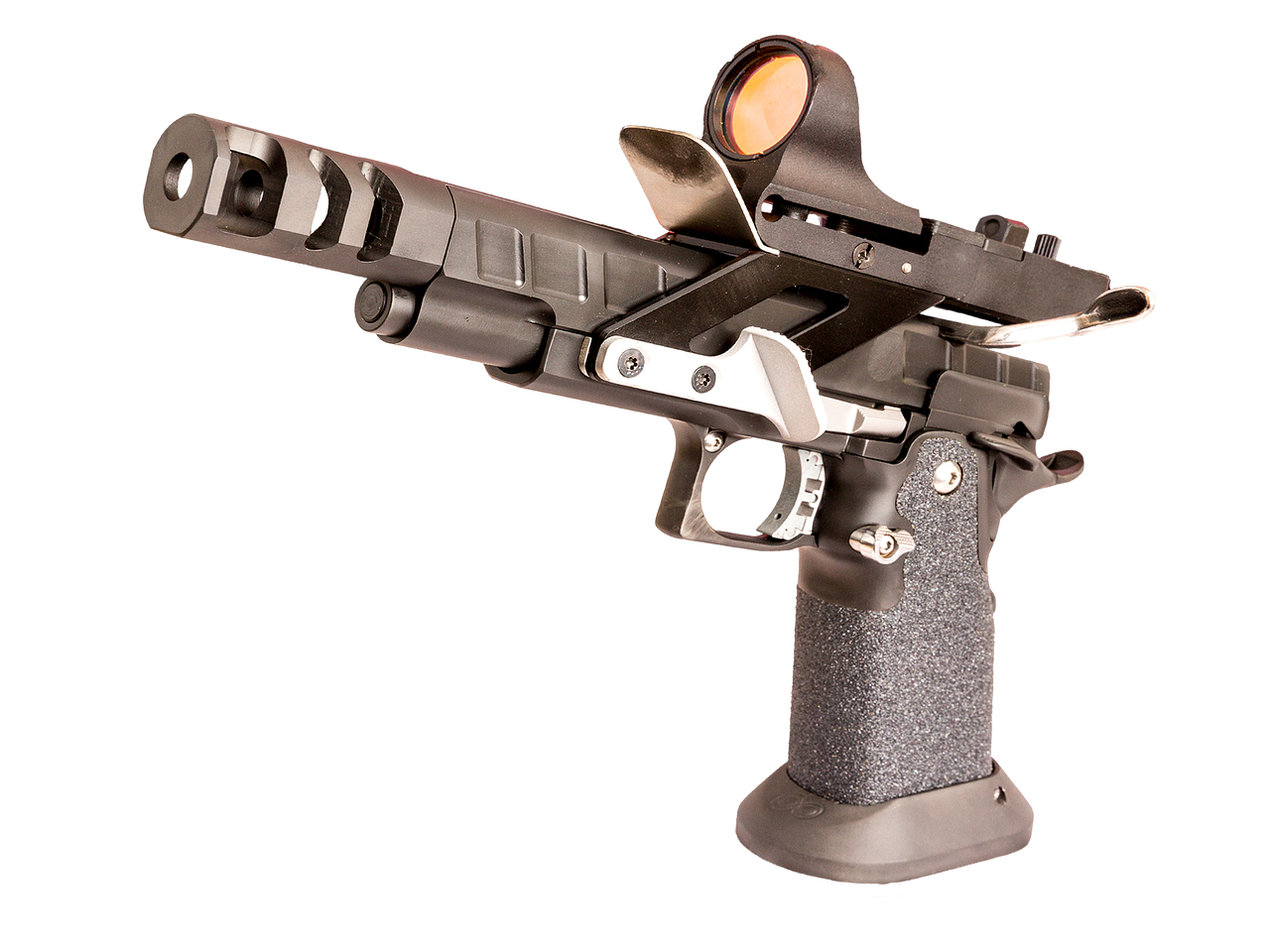
Owners of specialized competition handguns—particularly match-grade pistols valued at $2,000 to $5,000—cannot monetize depreciating assets. Estate planning becomes complicated; handguns cannot be passed to family members with valid PALs without explicit exemptions that remain unclear in regulatory guidance.
Legal Status and Challenges
The freeze operates through regulatory amendment rather than explicit statutory prohibition, creating ambiguity. The RCMP's Firearms Program issues transfer approvals, and dealers report inconsistent guidance on edge cases: can registered owners trade within club competitions? Transfer inherited firearms? The answer remains operationally muddled at the administrative level.
Multiple organizations, including the Canadian Coalition for Firearm Rights and the Shooting Federation of Canada, have initiated legal challenges arguing the freeze exceeds ministerial authority and violates property rights. These cases remain in litigation as of late 2024, with no resolution timeline established.
The Bottom Line
Licensed handgun owners currently possess legal protection for existing firearms, but the transfer freeze is permanent policy. Plan accordingly. Your handguns cannot be sold, gifted, or transferred; they exist in your collection until disposal or death triggers estate complications.
For prospective shooters, acquiring a handgun in Canada is functionally impossible outside existing ownership. The legal pathway has closed. For current owners, document your collection, understand secure storage obligations, and recognize that resale value has collapsed to zero in the eyes of Canadian law.