
Canadian Gun Owners Sue Ottawa for Buyback Compensation in Saskatchewan Court
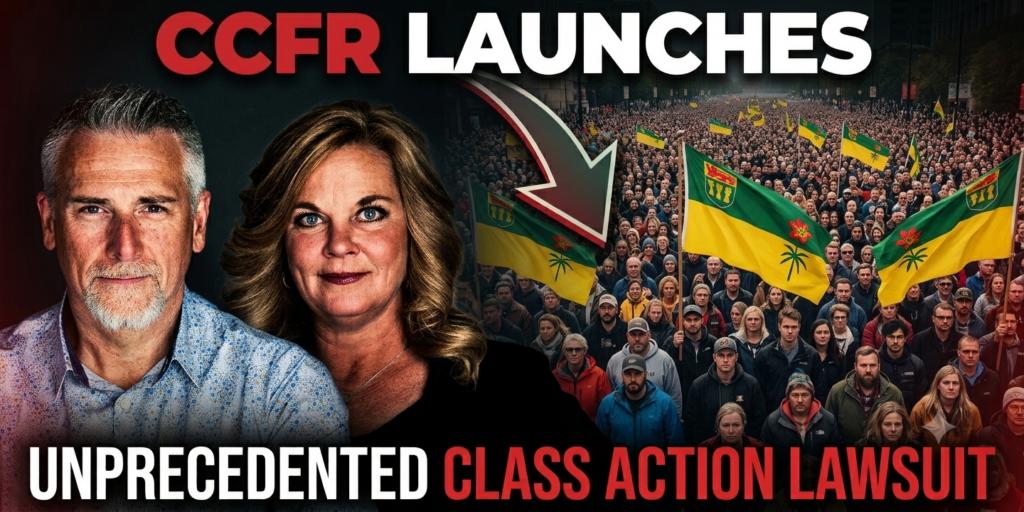
The Canadian Coalition for Firearm Rights filed a class action application against the Government of Canada on July 14, 2026. The suit runs through Saskatchewan's recently amended Provincial Firearms Act. The CCFR wants a court to enforce Ottawa's promise to compensate licensed owners for lawfully acquired property that federal prohibition made worthless. The filing is the first of its kind in the country, and it puts a specific legal question before a provincial court: whether a government promise to pay for confiscated property survives when the government changes the rules on paper but never delivers the money.
Key Details
The lawsuit rests on a provincial statute, not a federal one, which is the unusual part. Saskatchewan amended its Provincial Firearms Act to create a path for this type of claim, and the CCFR is using that opening to force the federal government into a courtroom it would otherwise avoid.
- Filed: July 14, 2026, in Saskatchewan
- Defendant: Government of Canada
- Class: Licensed firearms owners whose lawfully acquired property lost value under federal prohibition
- Core claim: Ottawa promised compensation and has not paid
Why It Matters for Gun Owners
If you own a prohibited or restricted firearm in Canada, this case is about your money. The government's compensation promise attached to the buyback program was never a gift. It was the price of taking property. Class certification would let thousands of owners pursue the claim together, which matters because individual suits against Ottawa are expensive and slow. Saskatchewan residents are the immediate beneficiaries of the new provincial framework, but the class definition and any ruling will shape the claims of owners in every province. Gun owners in other provinces should watch whether Saskatchewan's courts accept the theory before filing their own paperwork. Keep your Possession and Acquisition Licence records, receipts, and any correspondence about your firearms. Those documents are the evidence of what you owned and when you acquired it.
DownRange Analysis
This is a compensation claim, not a Second Amendment case, but the logic overlaps with takings arguments American courts have heard for decades. The central question is simple: can a government confiscate or devalue lawful property and walk away from its own payment obligations? Canadian law is not identical to US constitutional doctrine, and this suit will not be decided on Bruen grounds. Still, a court ordering Ottawa to honor a compensation promise would be a rare and real win against prohibition. The practical move right now is documentation and staying informed about class membership deadlines. Do not assume a lawsuit will reach you automatically.