
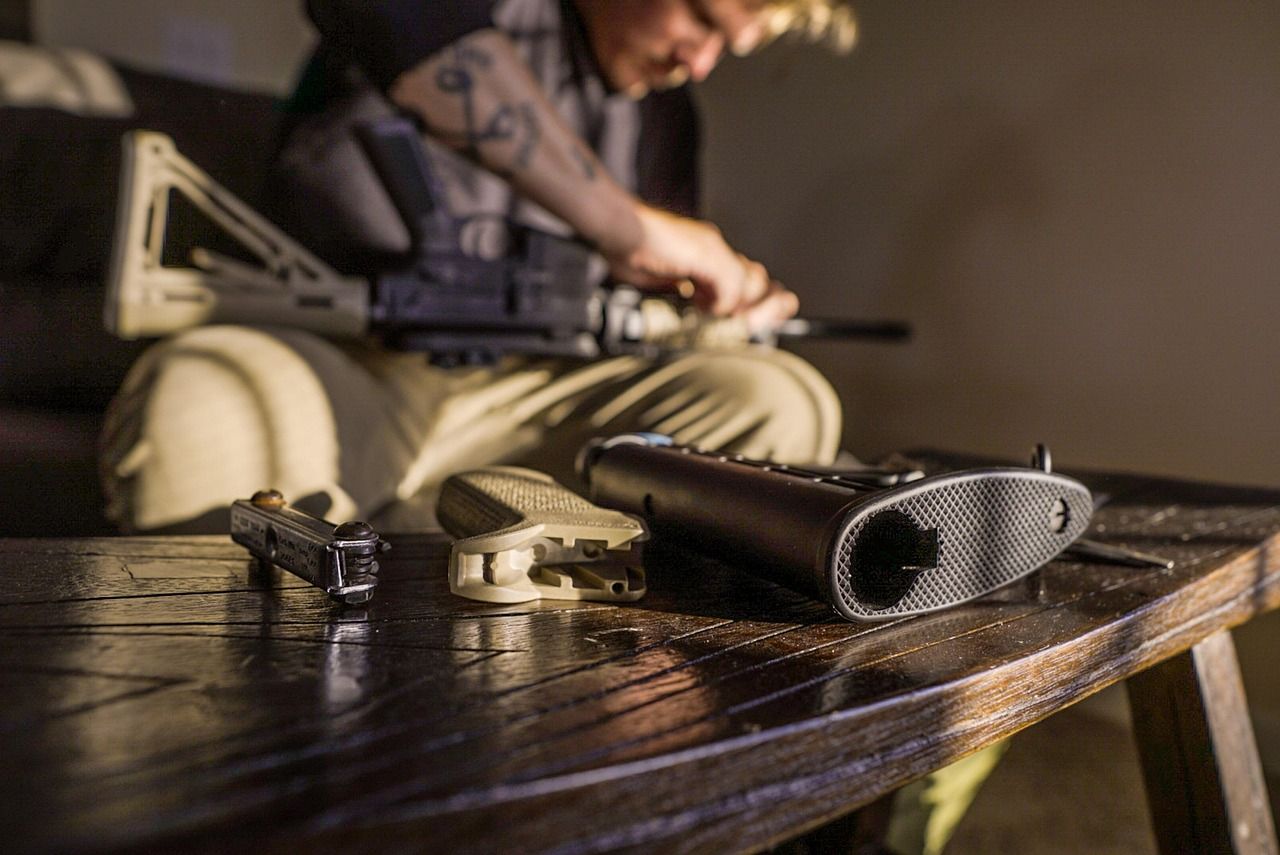
The OIC Rifle Ban: Illegal to Sell, Legal to Own — The Full Mess Explained
The May 1, 2020 Order-in-Council and What Actually Happened
On May 1, 2020, Prime Minister Justin Trudeau announced an Order-in-Council (OIC) that immediately prohibited the sale, importation, and transfer of 1,500 models and variants of what the government classified as "assault-style firearms." What many gun owners missed in the initial chaos: the OIC did not ban ownership. It banned commerce. This distinction has created a legal and practical minefield that persists today.
What You Can and Cannot Do
Under the OIC regulations, if you legally owned a now-prohibited rifle before May 1, 2020, you retain the right to possess it. You can store it, maintain it, and shoot it at ranges or on private property where legal. What you cannot do—and this is absolute—is sell it, gift it, or transfer it to anyone else, even your spouse or children. You cannot import prohibited models. You cannot manufacture them. You cannot legally sell prohibited firearms as an FFL. This is where the regulation creates a permanent dead-end for your collection's future value and estate planning.
The Prohibited List: Scope and Ambiguity
The government specified 1,500 models and variants by name. The list includes obvious targets: AR-15 platforms, AK-pattern rifles, most semi-automatic shotguns with magazine capacity exceeding five rounds, and specific lever-action rifles like the Marlin 1894. The regulation uses both explicit model names and functional definitions. A rifle falls under prohibition if it has a detachable magazine and either a pistol grip, thumbhole stock, or folding/collapsible stock. This has created years of legal ambiguity. Manufacturers have responded by producing "compliant" versions—removing pistol grips, converting to fixed magazines—in an attempt to skirt the definition. Courts have not yet definitively ruled on many edge cases, leaving owners in uncertain territory.
Practical Impact on Gun Owners
The prohibition affects an estimated 500,000 to 2 million firearms in civilian hands across Canada, depending on whose estimate you trust. For owners, the effects are measurable:
- Resale Value: Prohibited rifles retain zero transferable value. You cannot sell them legally. This erases decades of investment for many collectors.
- Estate Planning: Firearms cannot be willed to heirs. Executors must either store them indefinitely or surrender them to authorities.
- Compliance Costs: Safe storage requirements have not changed, but uncertainty drives many owners to invest in additional security anyway.
- Compliance Verification: RCMP-CFO enforcement remains inconsistent across provinces. Some provinces proactively contact known owners; others do not.
The Buyback Program That Never Arrived
The government promised a voluntary buyback program. As of late 2024, no concrete compensation scheme has materialized. Budget estimates initially suggested $250 million; the actual rollout has been fragmented and poorly communicated. This compounds owner frustration—they are legally prohibited from selling but offered no clear government purchase option.
Legal Challenges and Ongoing Uncertainty
Multiple constitutional challenges have been filed by gun rights organizations. These cases argue the OIC violated due process, exceeded executive authority, and infringed Section 8 (unreasonable search/seizure) and Section 7 (life, liberty, security of person) rights. Decisions have been mixed. Federal courts have upheld aspects of the ban while some provincial courts have questioned specific applications. The Supreme Court has not yet weighed in definitively, leaving legal status uncertain.
What Owners Need to Know Now
Document your pre-May 1, 2020 ownership. Maintain records, receipts, and registration proof. Comply with storage regulations in your province. Do not attempt to transfer prohibited firearms across provincial lines. Do not sell privately. Monitor court developments—legal changes could shift your obligations significantly. Above all, track federal announcements about the buyback program. If compensation is finally structured, timing and terms will be critical to your financial position