
Restricted Firearms in Canada: Storage, Transport, and Range Rules Explained
The Regulatory Framework
Canada's Firearms Act (1998) and Criminal Code define three firearm classes: non-restricted, restricted, and prohibited. Restricted firearms—primarily handguns and certain semi-automatic rifles—fall under the tightest regulatory regime. As of 2024, there are approximately 2.1 million restricted firearm licenses (PAL-R holders) in Canada, representing roughly 20% of all active PAL holders. This category demands specific compliance with storage, transport, and use protocols outlined in the Regulations Prescribing Certain Firearms and Other Weapons, Devices and Ammunition (SOR/98-462).
Storage Requirements: Non-Negotiable Standards
The law mandates that all restricted firearms must be stored in a locked container, safe, or vault when not in use. Additionally, ammunition must be stored separately in a locked container. This dual-lock requirement applies regardless of whether the firearm is loaded or unloaded. The Canadian Firearms Safety Course (CFSC) and RCMP standards specify that your storage solution must resist forced entry; a basic lockbox does not meet requirements—you need either a dedicated gun safe rated for burglary resistance or a locked room within a locked room.
Violations of storage regulations are Criminal Code offences under Section 109-110, with maximum penalties of 10 years imprisonment for unsafe storage causing injury. Since 2020, enforcement has intensified: RCMP reports 847 unsafe storage charges laid between 2020-2023, up 34% from the preceding three-year period.
Transport Rules: Authorization and Route Restrictions
Transporting restricted firearms requires either a Restricted Firearm Transport Authorization (RFTA) issued by your provincial Chief Firearms Officer (CFO) or travel directly between your residence and an approved firearms range. The key distinction: without an RFTA, your route is legally fixed. You cannot stop for fuel, food, or errands. Any deviation constitutes unlawful transport under Section 91 of the Criminal Code, carrying a maximum 10-year sentence.
- RFTA Authorization Process: Applications take 4-8 weeks for approval; plan accordingly before range trips.
- Direct Travel Only: Lawful transport without RFTA must follow the most direct practical route to/from your residence or range.
- Unloaded Requirement: Restricted firearms must be unloaded during transport, with ammunition stored separately.
- Locked Container: The firearm must be in a locked, opaque container throughout transit.
Range Access and Approved Facilities
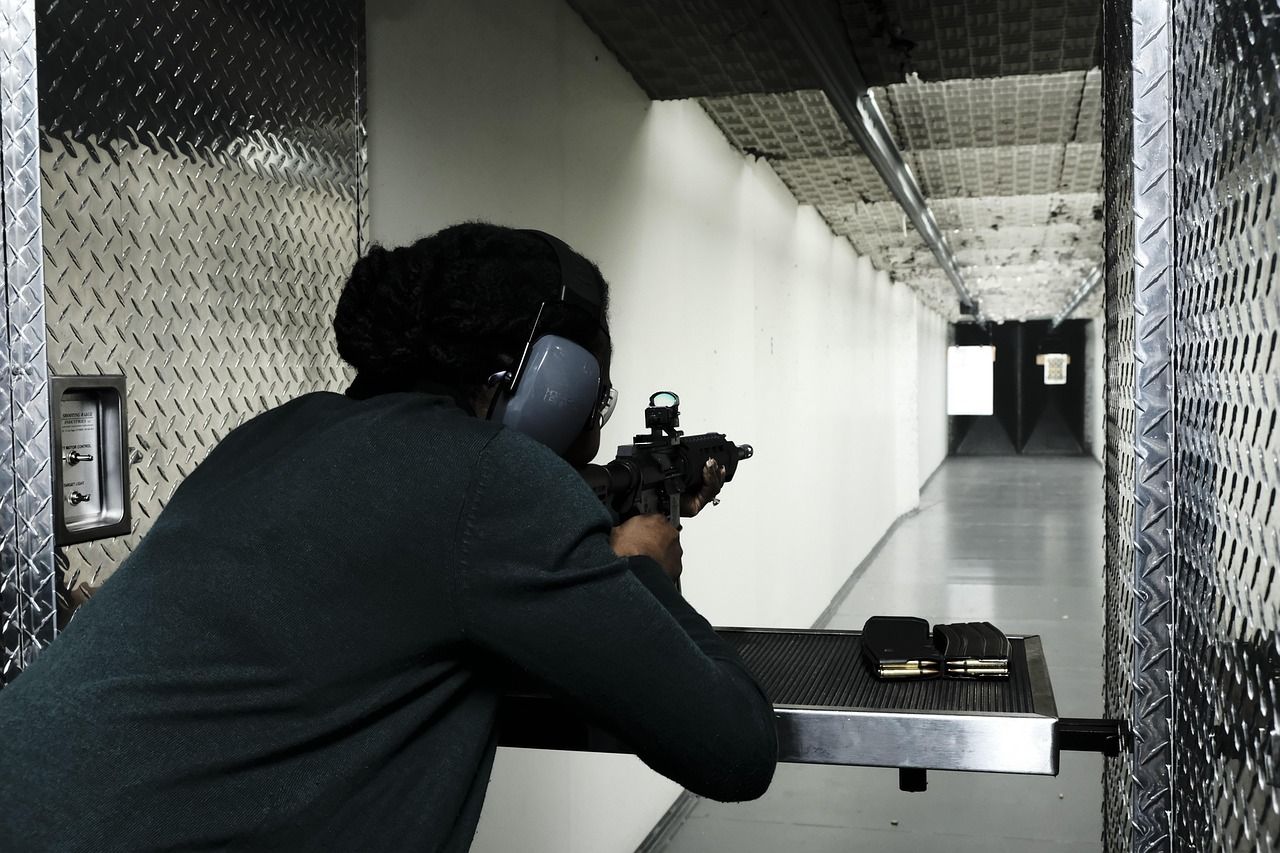
Only ranges explicitly approved by your provincial CFO qualify as legal destinations for unrestricted transport of restricted firearms. Canada maintains approximately 1,200 registered shooting ranges, but only facilities holding CFO approval letters qualify. Verify your range's status through your provincial firearms office before traveling—approximately 15% of informal or membership-only ranges lack formal approval, creating liability for shooters.
At approved ranges, you may only fire during posted operating hours. Most provinces enforce daytime-only policies (6 AM–sunset) unless your range holds an exception permit. Using a restricted firearm outside approved ranges for any purpose—including self-defense—remains illegal under all circumstances in Canada, even on private property.