
Canadian Safe Storage Laws: What You're Actually Required to Do
The Legal Framework
Canada's safe storage requirements are codified primarily in the Criminal Code sections 105 and 110, with the Storage, Display, Transportation and Handling of Firearms by Individuals Regulations (SOR/98-209) providing specific technical standards. These aren't suggestions—they're federal law with teeth. Violations can result in fines up to $10,000, imprisonment up to two years, and loss of your firearms license. Understanding exactly what Ottawa requires isn't paranoia; it's legal due diligence.
Storage Requirements: The Mandatory Baseline
All firearms in your possession must be stored in a locked, secure container when not in use. The law doesn't mandate a specific type of safe—it can be a gun safe, locked cabinet, locked room, or even a locked case, provided it genuinely resists forced entry. The container must be constructed of solid material and equipped with a locking mechanism that a reasonable person couldn't bypass in seconds.
Non-restricted firearms (most common hunting rifles and shotguns) have one critical exception: they can be stored unloaded in a locked container without ammunition stored separately. However, this exception disappears immediately if you own any restricted firearm (handguns, AR-15s, etc.). Once you hold a restricted PAL, all firearms in your home—restricted or not—must be locked and unloaded, with ammunition stored separately in a locked container.
The separation requirement matters. Ammunition must be in a different locked location from the firearms themselves. Many Canadian shooters misunderstand this, assuming they only need one container. The law explicitly requires separate locked storage for ammunition when restricted firearms are present.
The Unloaded Firearms Question
This is where real-world practice meets legal interpretation. The regulations state that non-restricted firearms can be stored locked and unloaded without separate ammunition storage. Some owners interpret this as permission to store ammunition nearby (same room, different cabinet). Conservative interpretation—and what the RCMP enforcement documents suggest—is that "separate" means genuinely separate locked containers. Playing legal chicken with storage isn't worth your license.
Transportation: Don't Forget These Rules
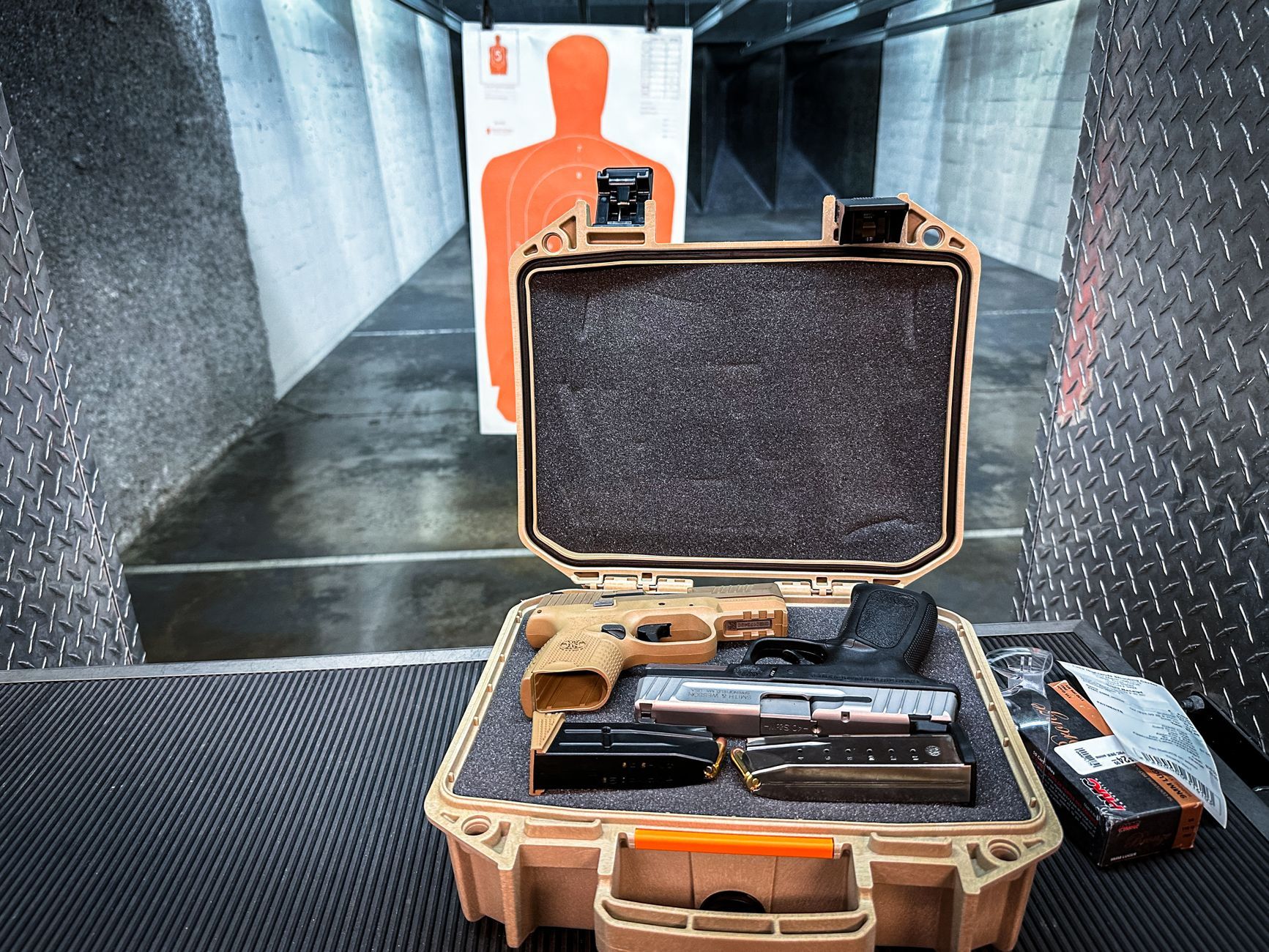
Moving firearms between your home and the range involves specific legal requirements often overlooked. Firearms must be unloaded during transport. Restricted firearms must be in a locked container while being transported. The ammunition must be stored separately from the firearm. Non-restricted firearms don't explicitly require a locked container during transport under federal law, but many provinces have additional requirements, and officer interpretation varies significantly. Best practice: lock everything, always.
Keep documentation. If stopped, being able to show your PAL and explain your destination (range, gunsmith, licensed dealer) smooths interactions substantially. Transport the most direct route to your stated destination. The "casual drive" with a rifle in your truck might get you charged despite technically having rights, particularly in urban areas where officer discretion becomes your biggest liability.
Restricted Firearms: Heightened Scrutiny
If you hold a restricted PAL, the RCMP applies different standards. Restricted firearms cannot be stored loaded under any circumstances. They must be in a locked safe or locked room specifically. Transport must involve a locked container. Many restricted PAL holders keep firearms in dedicated safes bolted to structure—a common insurance requirement anyway.
Practical Compliance Checklist
- Non-restricted only: Use a locked container (safe, cabinet, case) with firearm unloaded
- Restricted PAL holders: Lock all firearms unloaded, lock ammunition separately
- During transport: Unload, lock, separate ammunition from firearm
- Document PAL and transport purpose (range, dealer, gunsmith)
- Verify provincial requirements—they sometimes exceed federal minimums
- Update storage if your PAL status changes (non-restricted to restricted)
The Bottom Line
Canada's storage laws exist. They're enforced selectively—meaning compliance becomes your primary defense against prosecution. The specific container type matters less than demonstrable, good-faith effort to meet the law's intent: preventing unauthorized access. Your responsibility is absolute. Invest in a quality safe, implement the separation requirements honestly, and document your compliance. It costs considerably less than legal defense.