Illinois Lawmakers Push Manufacturer Licensing Tied to Crime Costs
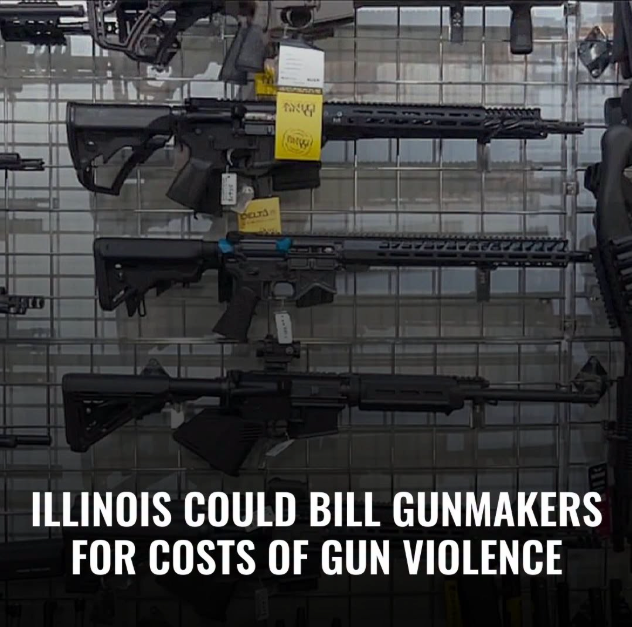
Illinois is moving toward a licensing system that would force firearm manufacturers to pay state fees calculated partly on the incidence and expense of firearm injuries and deaths within the state. The bill treats manufacturers as financial proxies for damages caused by criminals—a novel approach that sidesteps traditional manufacturer liability frameworks and places accountability squarely on the industry itself.
Key Details
- Licensing system would charge manufacturers fees based partly on firearm injury and death costs in Illinois
- Fee structure appears to scale with incidence rates and medical/economic burden of gun violence
- Manufacturers must obtain state licenses to sell firearms legally in Illinois
- Approach distinguishes between criminal use and manufacturer responsibility through fee mechanism
Why It Matters for Gun Owners
This legislation signals a shift in how anti-gun legislatures view manufacturer culpability. If enacted, manufacturers will either absorb costs or raise prices—and Illinois consumers buying through dealers will bear that burden. The state is essentially creating a violence tax on the industry. For gun owners, this means higher retail prices on new firearms sold in Illinois and potential supply disruptions if manufacturers choose to limit distribution in the state. States watching Illinois will likely copy the model, creating a patchwork of manufacturer fees that compound across multiple markets. Litigation will follow—manufacturers will argue this violates interstate commerce and the Second Amendment under New York Rifle & Pistol Ass'n v. Bruen.
DownRange Analysis
Illinois is weaponizing the licensing apparatus. Rather than outright bans that courts now strike down under Bruen, legislators are using fees as a backdoor price control and market suppression tool. The constitutional vulnerability is real: charging manufacturers for criminal conduct they did not commit or facilitate raises serious due process questions. However, licensing schemes—unlike outright product bans—may survive initial scrutiny if courts view fees as regulatory, not prohibitive. Gun owners should expect manufacturer pushback through litigation within 12 months. The real risk is replication: if Illinois succeeds, California and New York will follow with steeper fees, fragmenting the national market and raising costs everywhere.