Red Dot Pistols Need Different Training—Iron Sight Skills Don't Transfer
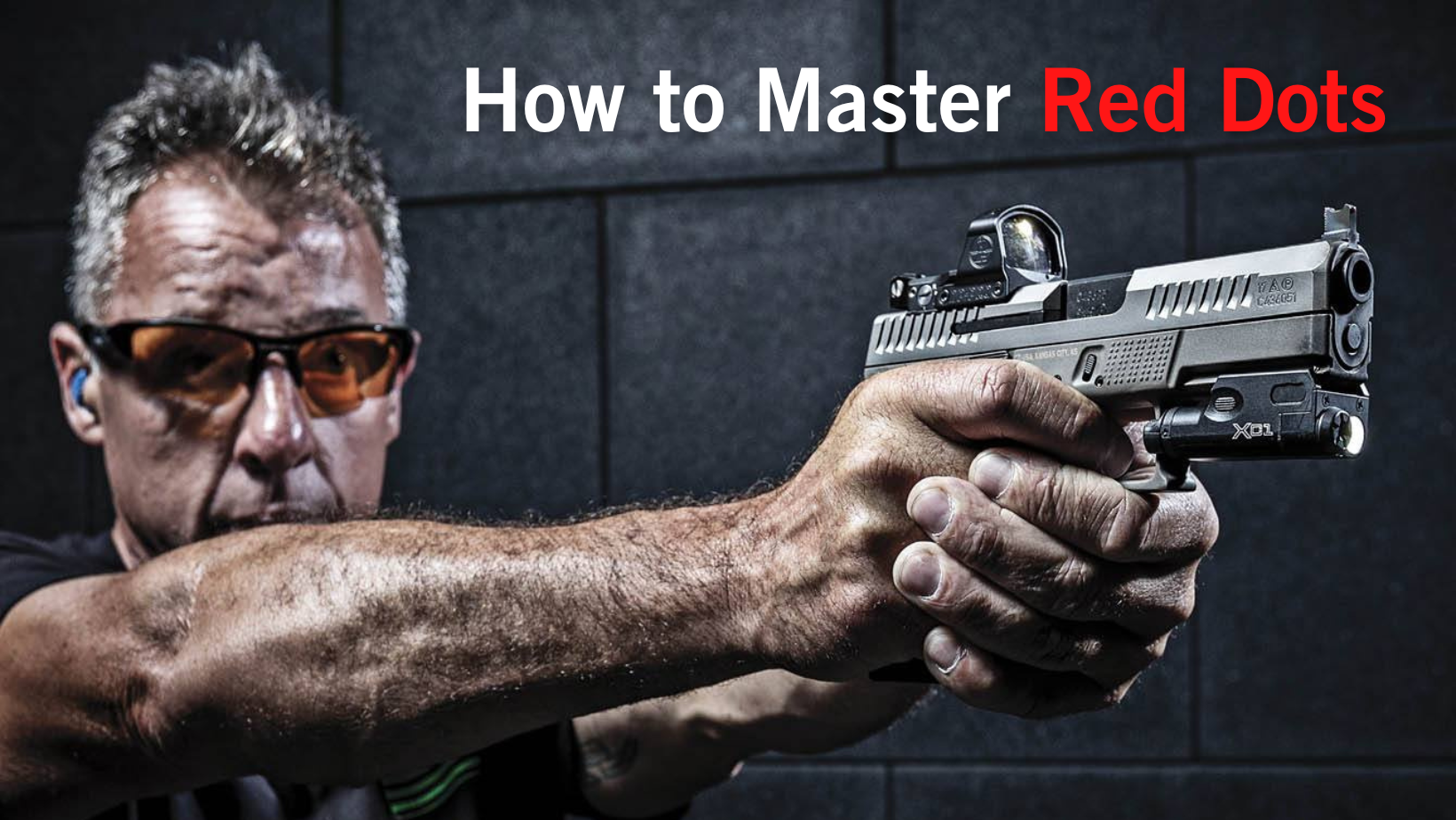
Red dot equipped pistols demand retraining from the ground up. Shooters with years of iron sight experience find their established fundamentals actively harmful when switching to optics. The sight picture changes. The target acquisition sequence changes. The speed advantage disappears if your fundamentals aren't built for the platform. Casual range time won't expose the gaps—defensive encounters will.
Key Details
Red dot pistols require entirely different fundamental mechanics than iron-sighted handguns. Iron sight shooters develop trigger control, sight alignment, and target focus patterns that conflict with red dot operation. A red dot demands faster target acquisition but slower sight focus transitions. Iron sights require precise sight alignment—something red dots eliminate entirely, creating a new problem: shooters who never learned to manage reticle brightness, battery life, or co-witness backup sights. Deliberate, specific practice separates competent operators from shooters who own nice equipment but haven't trained on it.
Why It Matters for Gun Owners
If you carry or compete with a red dot pistol, your existing iron sight training is working against you. Your body knows the old mechanics. Unlearning them takes more repetition than learning them fresh. You need dry fire drills specific to red dot fundamentals—reticle acquisition, brightness adjustment under stress, target transitions without losing the dot. You need live fire focused on speed and precision with optics, not iron sight drills scaled to a pistol that no longer uses them. Many ranges allow dry fire practice. Start there. Then hit steel or paper with a specific training plan for optics, not a generic pistol plan.
DownRange Analysis
Red dots on carry guns are here to stay. The technology works. But equipment outpaces training in most shooters' lives. You buy the pistol. You buy the optic. You shoot it once a month at the range doing the same drills you've done for ten years. This is how defensive liability gets created. If you're running a dot, treat it like a new skill, not an accessory upgrade. Find a good instructor who specializes in optics. Invest training dollars before you need the gun. Your iron sight experience is a foundation, not a shortcut.