High-Volume Shooting Is Cooking Suppressors—Here's How to Cool Them
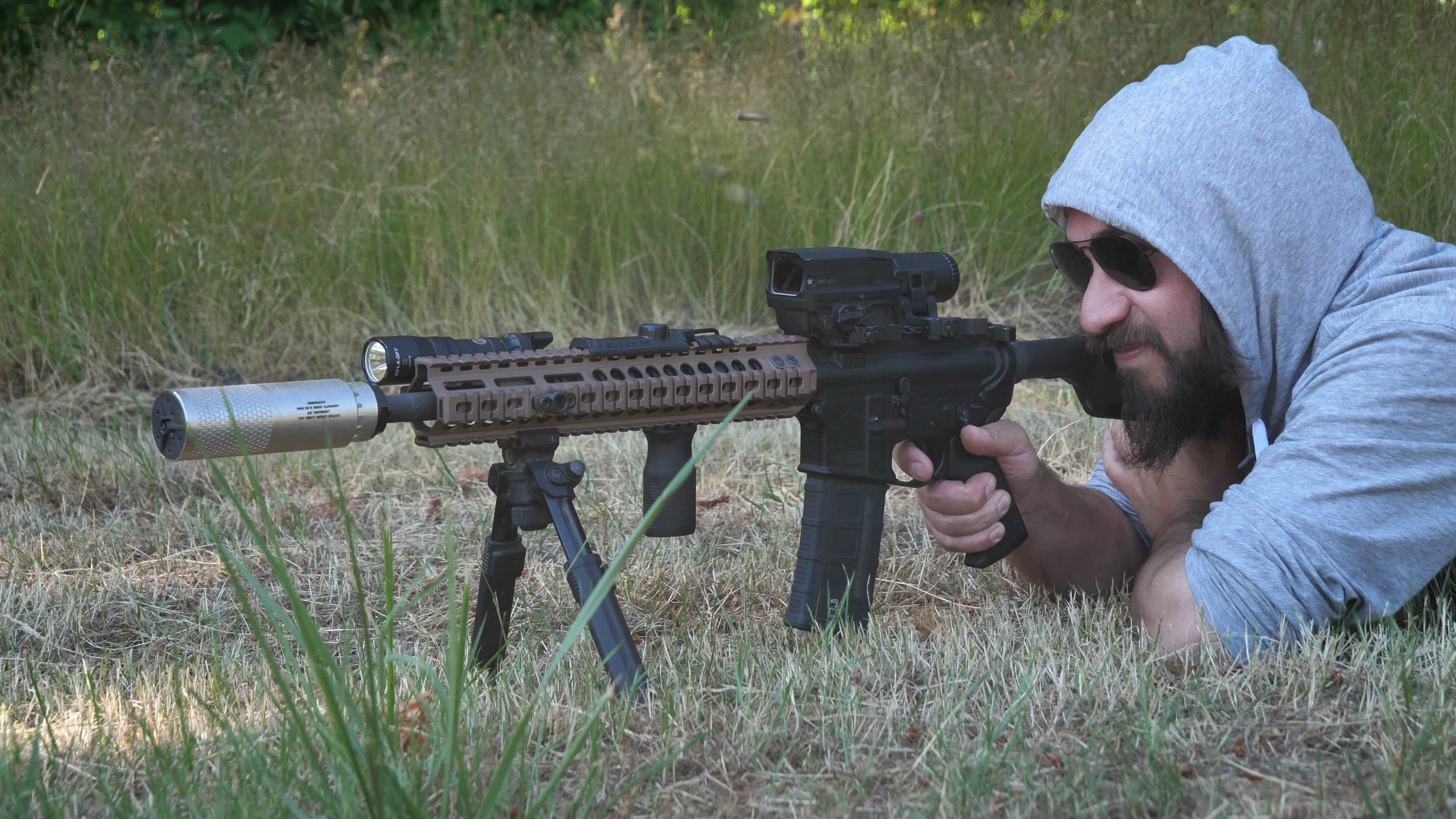
Competition shooters, trainers, and high-round-count practitioners are hitting suppressors with sustained fire patterns that exceed typical hunting or defensive use. Modern 3-gun, PRS, and tactical rifle courses demand extended strings that generate extreme heat inside the can. Thermal management isn't optional anymore—it's critical to reliability and shooter safety.
Key Details
The Problem: Suppressors designed for occasional use now face continuous fire in training and competition environments. Heat buildup inside the can reduces effectiveness, warps internal baffles, and can damage seals and indexing mechanisms.
Active Solutions: Shooters are adopting practical cooling methods: allowing extended cool-down periods between strings, using heat-resistant gloves to handle hot cans, spacing round count strategically across multiple suppressors, and selecting designs with larger internal volume and better baffle geometry for heat dissipation.
Design Factor: Can manufacturers are responding with improved baffle materials, larger bore diameters, and modular designs that prioritize thermal tolerance over ultimate sound reduction—a shift toward real-world performance over lab specs.
Why It Matters for Gun Owners
If you're shooting more than 200 rounds per range session or running multi-stage competitions, suppressor thermal limits directly affect your gear and performance. A can that chokes under heat becomes less effective mid-match and risks seal failure that voids warranties or creates safety hazards. Competitive shooters need to rotate between multiple suppressors or accept planned downtime. Trainers running classes need documented heat limits for every can in rotation. Even casual shooters should understand that sustained fire changes the game—your suppressor isn't the same tool at 500 rounds as it was at 50. Check your manufacturer's published heat ratings and round-count limits. Many don't exist, which is a problem.
DownRange Analysis
The suppressor industry built for a hunting market is now being stress-tested by competitors. This gap between intended use and actual demand exposes a real reliability concern that manufacturers can't ignore. Suppressors will evolve—thicker titanium baffles, better venting geometry, modular designs for heat rejection. The shooter's move is pragmatic: own multiple cans if you shoot volume, rotate them, and treat cooling cycles as part of your range discipline. Don't assume your suppressor is rated for what you're actually doing with it. Ask. Demand numbers. And plan your shooting around thermal limits rather than assuming unlimited performance.