Motorcycle Riders Face Unique Concealed Carry Challenges
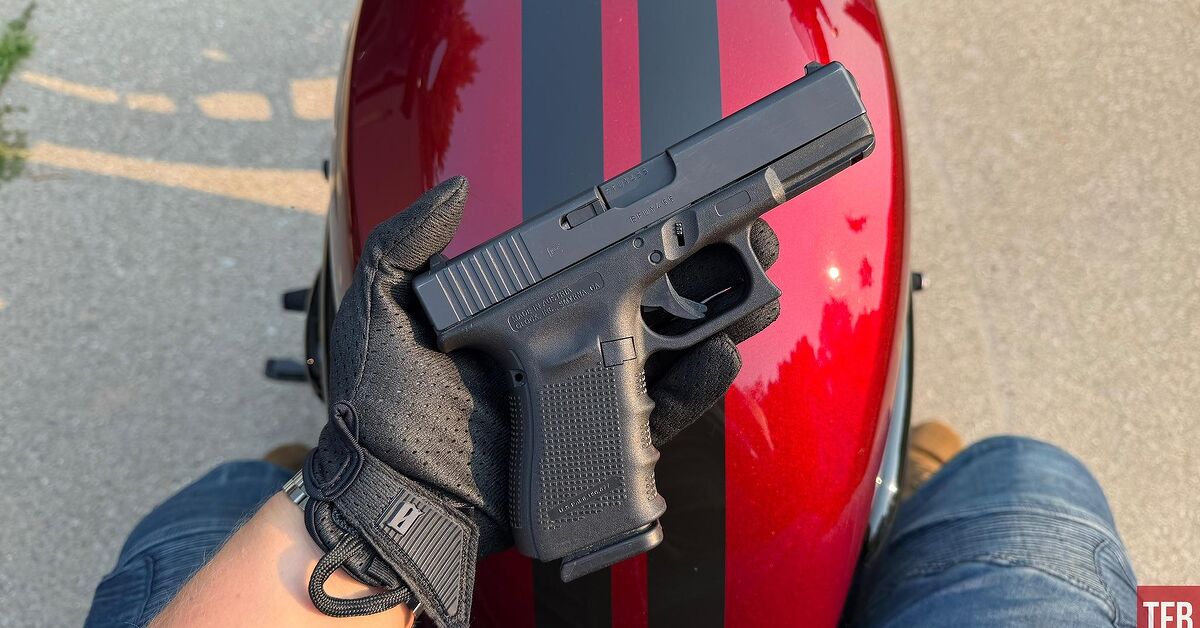
Concealed carry on a motorcycle demands solutions fundamentally different from car or pedestrian carry. Wind, body angles during riding, and protective gear create printing risks that standard inside-the-waistband holsters may not solve. Riders must balance accessibility, retention, and concealment while wearing jackets and sitting in positions that expose carry areas to view.
Key Details
Riding Position Exposes Carry Areas: Motorcycle riders lean forward at the hips and shoulders. This posture stretches fabric in ways that reveal gun outlines, especially in standard hip or appendix positions. The seated angle creates gaps between rider and jacket that expose the grip and trigger guard to other riders and traffic.
Wind and Gear Complicate Concealment: Open-road wind forces riders to wear fitted jackets and reinforced pants. These garments cannot hide standard IWB holsters the way looser street clothing does. Protective vests and armor panels further limit traditional carry positions.
Access Must Work With Gloves and Jacket: Drawing a firearm while wearing riding gloves and a jacket over your holster introduces safety and speed complications. One-handed draws become necessary if the firearm must be accessed during a stop.
Why It Matters for Gun Owners
Motorcycle riders represent a specific subset of armed citizens with legitimate carry needs. Long commutes, touring, and rural riding create situations where a firearm is essential for self-defense. However, standard carry methods fail on a bike. Riders must choose between comfort, concealment, and accessibility—rarely can all three coexist. Shoulder holsters, chest rigs designed for motorcycle use, and ankle or boot carries become practical alternatives. Some riders compromise by carrying only when stopped. Others choose off-body carry in a secured saddlebag, accepting the tradeoff of speed for concealment during transit. The legal status of carrying on a motorcycle remains governed by state law; constitutional carry states present fewer obstacles, while may-issue and restricted states force difficult decisions about when and how to carry during rides.
DownRange Analysis
The motorcycle carry problem exposes why one-size-fits-all concealed carry advice fails. A shoulder holster that works for a rider looks absurd on a pedestrian. A crossdraw position that prints immediately in street clothes stays hidden under a riding jacket. Gun owners who ride need to test gear in actual riding positions—sitting, leaning through curves, wearing full protective equipment. Factory testing at a range doesn't replicate this. Quality motorcycle-specific holster manufacturers deserve attention; they solve genuine problems that mainstream carry brands ignore. Riders serious about armed carry should budget for purpose-built equipment rather than forcing standard holsters into compromised setups.